Health Volunteers in Myanmar's Karenni (Kayah) State Rely on Borrowed Medicine Amid Severe Malaria Outbreak
Health
2026年7月6日
2
BNI (Burma News International)

Health Volunteers in Myanmar's Karenni (Kayah) State Rely on Borrowed Medicine Amid Severe Malaria Outbreak

AI サマリー

Community health volunteers in eastern Demoso Township, Karenni (Kayah) State, are struggling to contain a widespread malaria outbreak amid critical shortages of anti-malarial medication and severe logistical delays. Loc

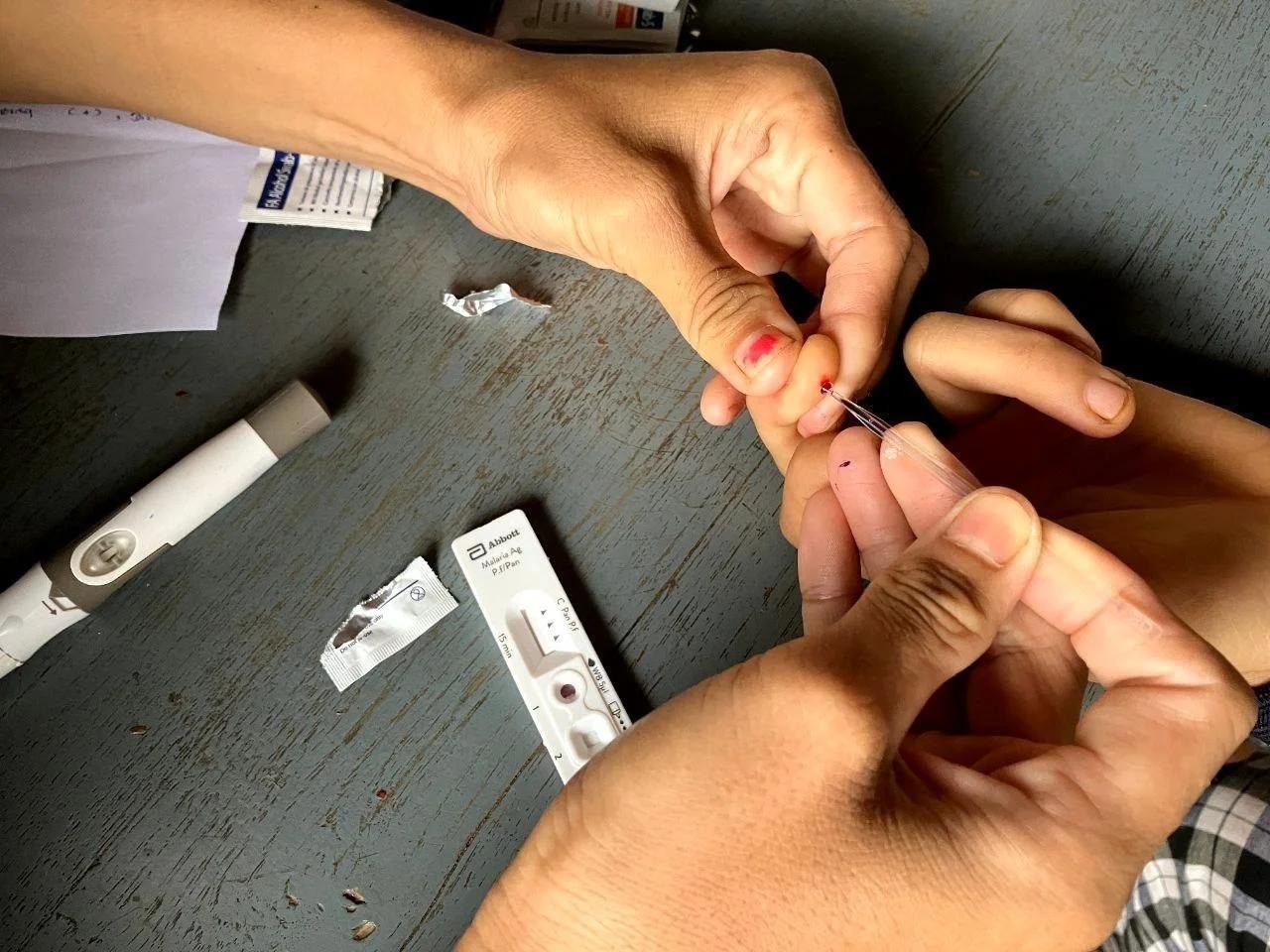
Community health volunteers in eastern Demoso Township, Karenni (Kayah) State, are struggling to contain a widespread malaria outbreak amid critical shortages of anti-malarial medication and severe logistical delays. Local healthcare workers reported that while some humanitarian organizations have donated anti-malarial supplies, blockaded roads and challenging terrain have crippled supply chains. Consequently, volunteers must frequently borrow medicine from neighboring villages to keep patients alive. “To reach the eastern side, medicines must be transported from the western part of the township. Due to severe transportation barriers, a delivery that should normally take a week now takes nearly a month,” a local health volunteer explained. “When our village runs out, we have to borrow stocks from nearby communities and repay them once our delayed supplies finally arrive. That is the only way we can manage.” According to health volunteers, malaria cases began spiking in June. Over the past month alone, at least 50 residents presented with malaria-like symptoms, with 13 testing positive after rapid diagnostic evaluations. The outbreak has increasingly hit both permanent villages and internally displaced persons (IDP) camps scattered across eastern Demoso Township— an area heavily affected by ongoing conflict. A local village official stressed that beyond medicine, there is an urgent and unmet need for mosquito nets to halt the transmission of the mosquito-borne disease. “People don’t have mosquito nets, and they really need them. No one comes to distribute mosquito nets here,” he said. “If people could sleep under mosquito nets, it would help prevent malaria, even if they don’t go out to work,” he continued. The health volunteer added that most patients who tested positive for malaria had traveled or worked in forested and mountainous areas. “Displaced families simply do not have mosquito nets, and the need is desperate. No aid agencies have come to distribute them here yet,” the official said. “We have submitted formal requests to the relevant humanitarian authorities, but we have yet to receive a response. Sleeping under nets is the most critical preventive shield we have right now, especially for those who are not yet infected.” The health volunteer noted that the majority of those testing positive are individuals who travel to forested areas or mountainous terrain for agricultural work. “The transmission is primarily happening in the forests and fields. Farmers and laborers travel long distances to work, get bitten by infected mosquitoes, and bring the disease back to the communities,” the volunteer added. Demographic data provided by the healthcare team shows that the most affected group consists of adults aged between 20 and 60, with men disproportionately outnumbering women due to the nature of outdoor work.

多角的分析

経済的影響

直接の経済ニュースではありませんが、治安と司法の信頼は地域経済の土台です。職場での暴力や未成年者保護への不安が強まると、夜間営業、観光、雇用、地域サービス業のリスク認識が高まります。

投資家心理

投資家目線では、個別事件よりも法執行の予見可能性が焦点です。加害者への対応が曖昧になれば、ローカルビジネスの統治リスクや従業員保護の弱さとして評価されやすくなります。

社会的影響

ミャンマー・カレンニー州の現場では、医療を「個人間の事件」で片づけず、誰が守り、誰が説明するのかを可視化する圧力が強まります。医療従事者の動きは、被害者側が孤立しやすい環境で、沈黙より手続きを選ぶための足場になります。

市民の声

市民にとっては、自分や家族が被害に遭った時に公正な手続きへアクセスできるのかが最大の関心です。地域団体が声を上げることで、事件の風化を防ぎ、被害者側の孤立を和らげる意味があります。

背景・歴史的文脈

このニュースは、ミャンマーの地域社会で法の支配と弱者保護がどこまで機能しているかを映す事案です。暴力事件そのものに加え、女性団体や市民社会が司法手続きを求めて声を上げている点が重要です。軍政下では警察・司法への信頼が揺らぎやすく、個別事件が地域の不安や統治への不信に直結します。

原文ソース

BNI (Burma News International)

原文を読む