S&P Affirms Indonesia's Credit Rating as Stable, Predicts Economic Recovery
Economy
2026年7月14日
6
The Diplomat Indonesia

S&P Affirms Indonesia's Credit Rating as Stable, Predicts Economic Recovery

AI サマリー

S&P has affirmed Indonesia's sovereign credit ratings at BBB/A-2 with a stable outlook, deeming recent fiscal strains temporary and predicting economic recovery driven by increased resource sector revenues. The decision offers relief to the Prabowo administration, whose economic policies have raised concerns among international investors.

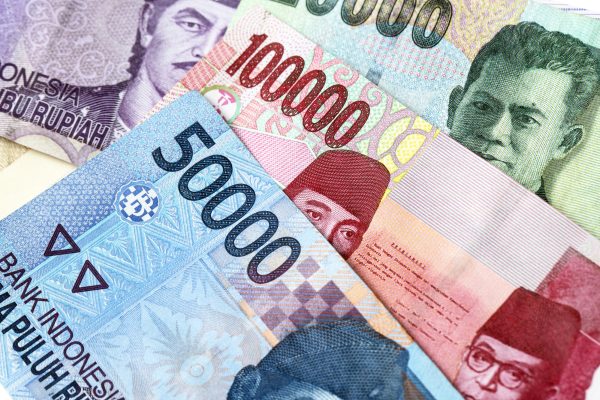
Credit rating agency S&P has affirmed Indonesia’s sovereign credit ratings at BBB/A-2, maintaining a “stable” outlook for the country’s economy. This announcement comes as a relief for the Prabowo administration, whose economic policies have raised concerns among international investors. S&P stated that recent fiscal strains, attributed to “high energy prices, higher interest rates, a weak currency, increased policy uncertainties, and accumulated debt,” were likely temporary. The agency believes that Indonesia’s policies to boost revenue and export earnings from the resource sector should lift revenue over time, supporting the rating outlook. “The stable rating outlook reflects our expectation that government revenue will continue to recover this year and export receipts will rebound with higher commodity prices,” S&P said. Since taking office in October 2024, the Prabowo administration has pursued high-spending populist social policies, including a multibillion-dollar free meal program, pushing the budget toward its 3 percent annual deficit ceiling. The former general has also increased the state’s involvement in the Indonesian economy to maximize returns from natural resources and international trade. These policies, along with the dismissal of respected Finance Minister Sri Mulyani Indrawati last year, have unsettled investors and undermined Indonesia’s hard-won reputation for fiscal conservatism. Earlier this year, fellow rating agencies Moody’s and Fitch downgraded their debt rating outlooks for Indonesia to negative, citing the unpredictable and fiscally expansive nature of economic policymaking under Prabowo. Fitch pointed to the “increasing policy uncertainty and erosion of Indonesia’s policy mix consistency and credibility” and the “growing centralization of policymaking authority” under Prabowo. The country’s stock market has also attracted negative scrutiny. In January, global index provider MSCI threatened to downgrade Indonesia to “frontier market” status due to transparency concerns in its stock market, including high ownership concentration in certain companies and limited “free float” of tradeable shares. Consequently, Indonesia’s main stock index has become one of the worst-performing in Asia in 2026. In response to MSCI’s threat, the Indonesian government announced a list of proposed reforms, including doubling the minimum free float for listed companies to 15 percent. Top executives at the exchange and regulatory body also stepped down. As a result, MSCI has extended its review of Indonesia’s “emerging” market economy status until November. Concerns have been raised about the slide in Indonesia’s fiscal management and the weakening of the rupiah. The currency is now trading at over 18,000 to the U.S. dollar, compared to around 15,500 at the time of President Prabowo’s inauguration, making it worth less against the dollar than during the 1997-1998 Asian financial crisis. S&P noted several factors that could prompt a downgrade, such as a sharp increase in government debt or a structural overhaul in export receipts. However, the agency expressed confidence that the Indonesian government “continues to view its 3% annual deficit ceiling as an important policy anchor.” S&P specifically cited recent government pledges to cut spending, including on the Free Nutritious Meals Program, to keep the deficit below this threshold. In response, Reuters reported that the Indonesian government and Bank Indonesia stated the rating reflects global investor confidence in the country’s economic management, which would likely help support the rupiah.

多角的分析

経済的影響

S&Pの格付け維持は、インドネシア経済の底堅さを示す一方で、プラボウォ政権の財政政策への懸念が依然として残っていることを示唆する。無料食事プログラムのような高支出政策は、財政赤字を拡大させ、ルピア安の要因となっている。資源価格の変動に依存する歳入構造も、経済の不安定要因となりうる。政府が財政赤字目標を維持できるかどうかが、今後の経済安定の鍵となる。

投資家心理

プラボウォ政権の経済政策、特に大型社会福祉プログラムや国家による経済への介入強化は、国際投資家にとって不確実性を増大させている。過去の財政保守主義からの逸脱は、インドネシアの投資環境に対する信頼を揺るがす可能性がある。MSCIによる市場ステータス見直しや、一部企業への所有権集中といった問題は、市場の流動性と透明性への懸念を示しており、投資家はこれらの改革の進捗を注視するだろう。

社会的影響

プラボウォ政権の「無料食事プログラム」のようなポピュリスト政策は、短期的な国民の支持を得る一方で、財政への長期的な負担となる。特に、財政赤字の拡大は、将来的な社会福祉サービスの縮小や増税につながる可能性があり、低所得者層に最も大きな影響を与える。また、政策決定権限の集中化は、市民社会や専門家からの異論を封じ込め、多様な意見が反映されにくい社会状況を生む懸念がある。

市民の声

プラボウォ政権の大型社会福祉政策は、低所得者層の生活を一時的に支える可能性があるが、その財源確保のための財政赤字拡大は、将来的に国民全体に負担を強いる。特に、ルピア安は輸入品価格の上昇を招き、国民の購買力を低下させる。また、MSCIの懸念に端を発した株式市場の低迷は、年金基金や個人投資家の資産価値に影響を与え、国民の経済的安心感を損なう可能性がある。

背景・歴史的文脈

インドネシアは、1997-98年のアジア金融危機以降、財政規律の維持と経済の安定化に努めてきた。スハルト政権崩壊後、民主化が進む中で、歴代政権は国際社会からの信頼を得るため、財政赤字をGDP比3%以内に抑えることを重要な政策目標としてきた。プラボウォ大統領は、国民への直接的な経済的恩恵を重視するポピュリスト的なアプローチをとっており、これが従来の財政規律との間で緊張を生んでいる。特に、無料食事プログラムのような大規模な社会福祉政策は、財政赤字を拡大させる主要因となっている。

原文ソース

The Diplomat Indonesia

原文を読む