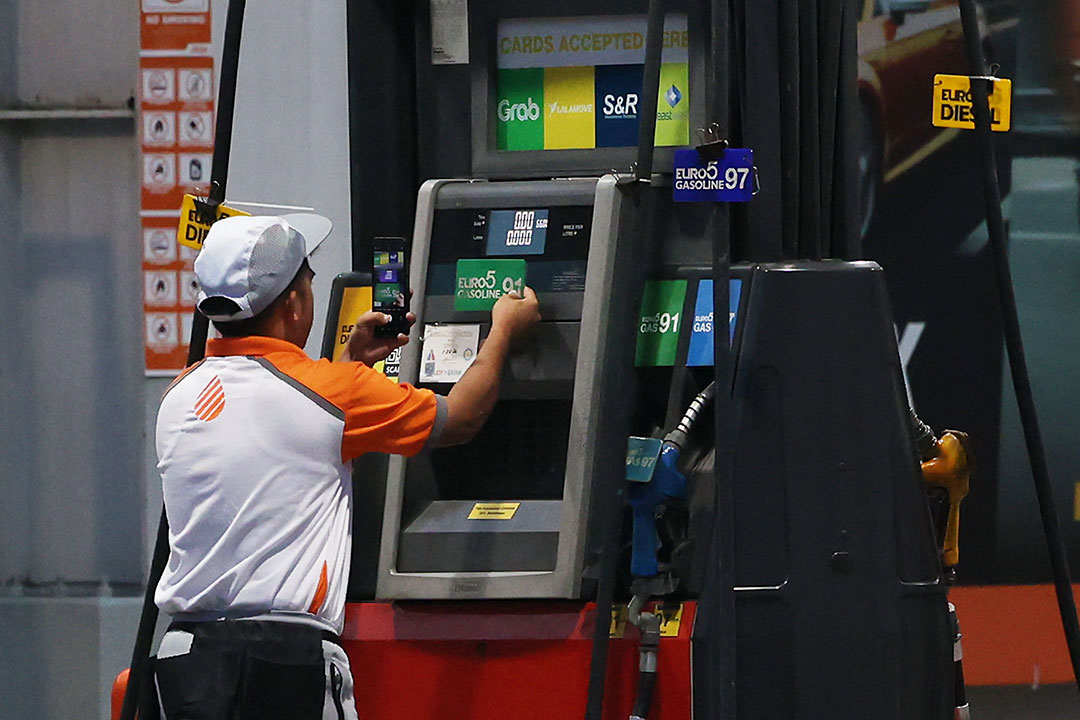
Philippines Faces Fuel Price Hike: Diesel, Kerosene to Rise Over P3/L
Fuel prices in the Philippines are set to increase, with diesel and kerosene prices expected to rise by over P3 per liter. Gasoline may see a slight rollback or increase. The Department of Energy believes the worst is over due to stabilizing international crude oil prices, but domestic price normalization may take several months.
This article requires PRO
This article is outside the free access window or is a special report. PRO unlocks it and the full archive.
Related articles
- Philippines: Fuel Prices Set to Rise This Week
Philippines is set to see a price increase of over P1 per liter for diesel and kerosene starting July 7. Gasoline prices may see a slight increase or decrease. This reflects global crude oil market fluctuations and domestic supply-demand dynamics.
- Fuel Prices to Rise Starting July 7: Diesel and Kerosene Up, Gasoline Mixed
In the Philippines, diesel and kerosene prices are expected to increase by over P1 per liter starting July 7. Gasoline prices may see a slight increase or decrease. This adjustment is due to domestic oil companies' pricing strategies reflecting global crude oil market trends.
- Fuel prices to climb in the Philippines; gasoline may fluctuate, diesel and kerosene seen up by over P1/liter
The Department of Energy (DOE) in the Philippines has forecast fuel price adjustments for the week, with diesel and kerosene expected to increase by over P1 per liter, while gasoline prices may see fluctuations. This reflects the country's significant dependence on imported oil, with international market shifts directly impacting pump prices.
- Philippines: Fuel Price Adjustments on July 7 - Gasoline Variable, Diesel & Kerosene Hikes
Philippines fuel prices are set for adjustments on July 7, with gasoline facing potential rollbacks or hikes, while diesel and kerosene are definite increases, according to Department of Energy (DOE) prescribed ranges.