Ministry Pushes for Enhanced Forest Protection and Tree Planting Amid El Niño Forecast
Environment
2026年7月1日
5
Phnom Penh Post

Ministry Pushes for Enhanced Forest Protection and Tree Planting Amid El Niño Forecast

AI サマリー

Cambodia's Ministry of Environment has urged for strengthened forest protection and expanded tree planting initiatives in anticipation of the upcoming El Niño phenomenon, emphasizing trees' crucial role in mitigating rising temperatures, water scarcity, and wildfire risks.

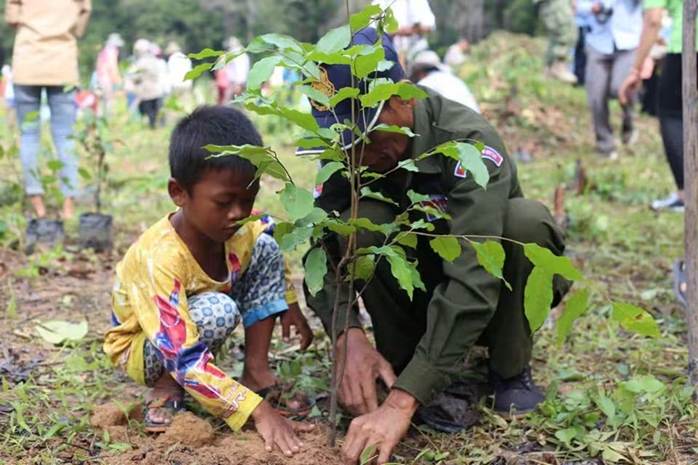
The Ministry of Environment has called for strengthened forest protection and expanded tree planting initiatives in anticipation of the near-future return of the El Niño climate phenomenon. In a July 1 statement, the ministry explained that El Niño is a naturally occurring climate phenomenon that alters ocean temperatures and global weather patterns. It brings prolonged hot and dry conditions, reduced rainfall, drought, and a heightened risk of wildfires to many parts of the world. While humans cannot prevent El Niño from occurring, the ministry said they can strengthen nature’s—and their own—ability to cope with its impacts through one simple solution: trees. The ministry elaborated that trees help cool the environment. By providing shade and releasing moisture through their leaves, they lower surrounding temperatures and reduce the intensity of heatwaves. Communities with healthy tree cover are noticeably cooler than areas dominated by concrete and asphalt. During periods of extreme heat, this cooling effect helps protect people, livestock, and crops. Trees also play a critical role in water management. Their root systems allow rainwater to penetrate deep into the soil rather than running off the surface. This helps replenish groundwater, sustain streams and canals during the dry season, and preserve water supplies when rainfall is scarce. In many ways, forests function as natural reservoirs, storing water for times when it is needed most. Healthy forests also protect the soil. Their roots hold soil together, reducing erosion, while fallen leaves create organic matter that helps retain moisture. During droughts, farmland surrounded by healthy vegetation is generally more resilient because the soil loses moisture more slowly. Trees also help regulate the climate by absorbing carbon dioxide from the atmosphere and storing it in their trunks, branches, roots, and the soil. Although planting trees cannot stop El Niño, healthy forests help reduce long-term global warming caused by greenhouse gas emissions, helping to moderate future climate change. Most importantly during El Niño, forests reduce the risk of environmental collapse. Healthy forests conserve biodiversity, provide habitat for wildlife, protect water sources, and serve as natural barriers against strong winds and prolonged heat. Communities living near well-preserved forests generally enjoy more reliable water supplies and healthier ecosystems than those where forests have been destroyed. However, the ministry stressed that trees can only protect people if people protect them. During extended dry periods, forests become highly vulnerable to wildfires. A single careless act—such as burning rubbish, clearing land with fire, or discarding a lit cigarette—can destroy thousands of trees within hours. Every forest fire not only destroys wildlife habitat but also releases massive amounts of carbon back into the atmosphere, accelerating climate change. For that reason, the ministry noted that everyone has a responsibility to help. People are encouraged to protect existing trees, plant more, prevent forest fires, avoid illegal logging, care for young saplings, support community forests, and expand green spaces in urban areas. The government, schools, businesses, monks, youth groups, and local communities all have important roles to play. Schools can teach children to value and protect nature. Communities can organize tree-planting and forest conservation activities. Businesses can expand green spaces around workplaces, while families can plant shade trees around their homes and care for them for future generations. The relationship between trees and El Niño is simple but profound, the ministry concluded. Trees cannot prevent El Niño from occurring, but they can significantly reduce its impacts. They cool the air, conserve water, protect soil, lower wildfire risks, support agriculture, preserve biodiversity, and strengthen the resilience of communities.

多角的分析

経済的影響

エルニーニョによる干ばつは、カンボジアの主要産業である農業に直接的な打撃を与える。米などの主要作物の収穫量減少は、食料価格の上昇を招き、国民生活を圧迫する可能性がある。また、水力発電への依存度が高い電力供給にも影響が出かねず、産業活動の停滞を招くリスクがある。森林保護と植林は、長期的な気候変動への適応策として重要だが、短期的な経済的影響への対策も求められる。

投資家心理

エルニーニョによる農業への影響は、食料品関連企業や輸出業者にとってリスク要因となる。一方で、再生可能エネルギー分野や、気候変動適応技術への投資機会も生まれる可能性がある。政府による森林保護策の強化は、環境関連ビジネスへの関心を高めるかもしれないが、その実行力と透明性が投資判断の鍵となるだろう。

社会的影響

エルニーニョによる猛暑や水不足は、特に農村部やインフラの脆弱な地域に住む人々の生活に直接的な影響を与える。飲料水の確保、衛生状態の悪化、食料不足は、公衆衛生上の問題を引き起こす可能性がある。森林火災のリスク増加は、地域住民の安全を脅かすだけでなく、生計手段を奪うこともある。政府の呼びかけに応じた市民の行動が、地域社会のレジリエンスを高める上で不可欠となる。

市民の声

エルニーニョによる気候変動は、私たち市民の日常生活に直接的な影響を与えます。特に、暑さや水不足は、食料の価格を上げ、衛生状態を悪化させる可能性があります。森林火災のリスクが高まることは、私たちの安全を脅かします。政府の呼びかけに応じ、木を植え、森を守ることは、自分たちの生活を守るためにも重要です。しかし、政府は、こうした環境問題への対策だけでなく、私たちの生活が脅かされないための支援も行うべきです。

背景・歴史的文脈

エルニーニョ現象は、太平洋赤道域の海水温が平年より高くなる現象で、世界各地で異常気象を引き起こす。カンボジアでは、過去にもエルニーニョによる干ばつが農業生産に深刻な影響を与えており、2015-2016年のエルニーニョでは、米の収穫量が大幅に減少し、食料供給に懸念が生じた。森林破壊は、カンボジアにおける長年の課題であり、土地利用の変化や違法伐採が森林面積を減少させてきた。これにより、自然災害への脆弱性が高まり、気候変動の影響を受けやすい状況が続いている。環境省の今回の呼びかけは、こうした過去の経験と、進行する環境問題への危機感に基づいている。

原文ソース

Phnom Penh Post

原文を読む