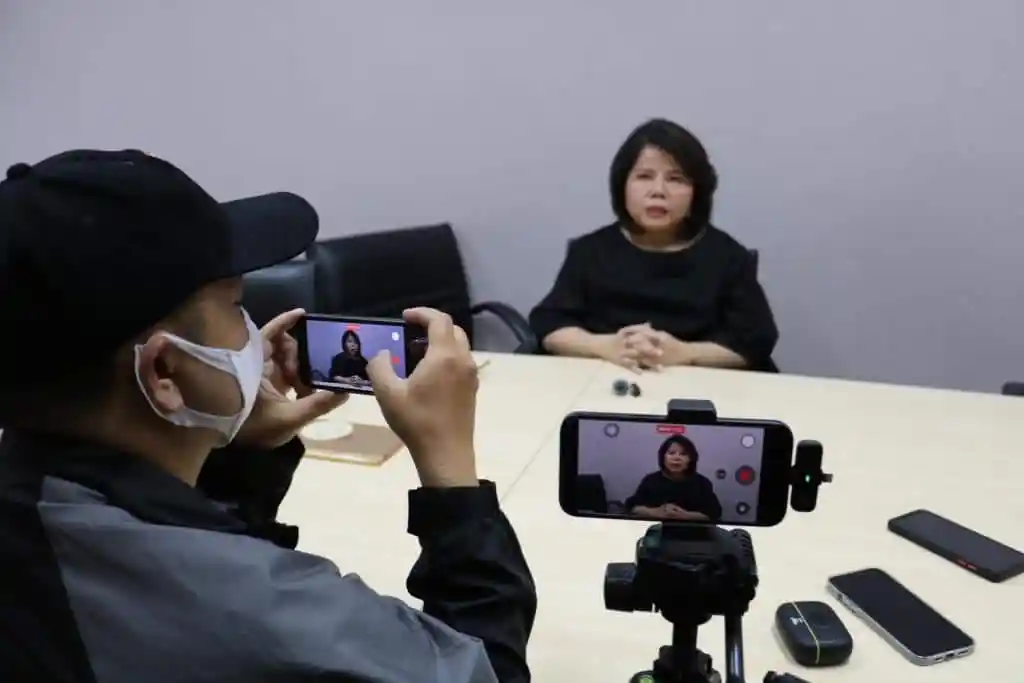
Academic Urges Responsible Use of 'Chiang Rai' Name on Social Media
Society
2026年7月7日
3
Chiang Rai Times

Academic Urges Responsible Use of 'Chiang Rai' Name on Social Media

AI サマリー

Assoc. Prof. Dr. Soemsiri Nildam from Chiang Rai Rajabhat University warns that using 'Chiang Rai' as a Facebook page name can lead the public to assume it represents the province, highlighting concerns about media literacy and online accountability.

CHIANG RAI – A communications scholar has said that using “Chiang Rai” as a page name on Facebook can easily make the public assume the page speaks for the province. Assoc. Prof. Dr. Soemsiri Nildam, a lecturer in communication arts at Chiang Rai Rajabhat University, said the issue highlights media literacy, public accountability, and the real-world impact of online communication. On July 6, the case drew attention after a media network and civic groups in Phayao sent an open letter to the governors of Chiang Rai and Phayao, asking them to protect the use of the name “Chiang Rai” in media and public-service activities. Soemsiri said the case is a clear example of how online communication affects public perception, especially when a page uses the name of a province that people already recognize. Soemsiri explained that a page called “Chiang Rai” is not automatically an official provincial media outlet. Even so, most people are likely to assume that the page reflects the province or speaks on its behalf. That makes the name itself part of the message, because it shapes the province’s image and public memory. At the same time, she said readers should not judge content by the page name alone. People also need to look at whether the information is reliable and whether the creator takes responsibility for what is published. In other words, a familiar or official-sounding name does not guarantee accurate content, and a casual name does not automatically mean the content is low quality. She also addressed posts that degrade individuals or lump local people into a negative stereotype. According to her, language of that kind can create a hate-based narrative. It may not always meet the legal threshold for a crime, but it still affects feelings, widens social division, and damages relationships in the community. Soemsiri said pages like this may not qualify as professional news organizations because they do not follow standard journalistic procedures such as research, fact-checking, or interviewing sources. Even so, once a page becomes public and attracts a large audience, it carries social responsibility just like any other public communicator. That responsibility includes careful language, avoiding hate speech, sharing information that can be checked, and not posting material that harms individuals or groups. She said these basic practices matter because online content spreads fast and the impact can reach far beyond the original audience. The open letter from the Phayao media network and civic sector, she added, is a valid way for people to speak out against content they see as inappropriate. She suggested that provincial agencies could invite page administrators to discuss the issue, ask for cooperation, or set practical guidelines for using a province name in a media page or public account. Soemsiri said legal action should be considered case by case. If there is copyright infringement, unauthorized use of images, defamation, or another offense that meets legal criteria, then the injured party and the relevant agencies should gather the facts and proceed under the law. The key issue is the content itself and the damage it causes. She closed by saying the case is a useful lesson for Thai society. Freedom of speech must go hand in hand with responsibility, especially when a creator has a large following. As online audiences grow, the effects of communication grow too. For that reason, content creators, media outlets, and the public should work together to raise the standard of online communication, respect personal dignity, reduce hate, and protect trust in shared public space.

多角的分析

経済的影響

SNS上の「地域名」を冠したページ運営は、公式情報と誤認されるリスクを孕む。これにより、誤った情報が拡散された場合、地域経済への風評被害や、関連する観光・商業活動への悪影響が懸念される。特に、情報発信者が責任ある情報提供を行わない場合、消費者の信頼を失い、経済的損失に繋がる可能性がある。

投資家心理

投資家にとって、SNS上の情報源の信頼性は、地域経済への投資判断に影響を与えうる。公式性を帯びた名称のページからの誤った情報発信は、地域への投資意欲を減退させる可能性がある。企業は、SNS上の評判リスクを管理し、地域社会との良好な関係を維持することが、長期的な投資環境の安定に繋がる。

社会的影響

「チェンライ」という名称を無責任に使用するSNSページは、地域住民間の分断を助長する可能性がある。特に、個人を貶めたり、否定的なステレオタイプを広めたりするコンテンツは、地域社会の調和を乱し、住民間の信頼関係を損なう。これにより、地域住民の生活実感やコミュニティへの帰属意識に悪影響を与える。

市民の声

SNSで「チェンライ」を名乗るページが、公式情報と誤解されることで、市民は不確かな情報に惑わされるリスクに直面している。特に、地域住民は、誤った情報によって日常生活や地域への認識が歪められる不安を抱える。また、ヘイトスピーチや差別的なコンテンツは、市民間の対立を生み、安全で安心な公共空間を脅かす。

背景・歴史的文脈

タイでは、SNSの普及に伴い、個人や組織が地域名や公的機関名を模倣したアカウントを作成し、情報発信を行うケースが増加している。特に、観光地や地方都市では、地域名を冠したSNSページが、公式情報や地域住民の意見を代表するものと誤解されやすい。過去には、特定の地域名を無断で使用したアカウントが、誤った情報拡散や風評被害を引き起こし、問題となった事例も報告されている。このような状況は、タイにおけるメディアリテラシーの向上と、オンライン上での情報発信における責任体制の確立という、喫緊の課題を浮き彫りにしている。

原文ソース

Chiang Rai Times

原文を読む