General articles are free for 24 hours after publish.
Vietnam's Border Education Initiative: Cultivating Responsible Future Generations
Vietnam's Ministry of Education and Training is focusing on strengthening the operation of newly established boarding schools in border areas and securing teachers. This initiative aims to nurture human resources from local youth who receive quality education and can contribute to their hometowns' development in the future.
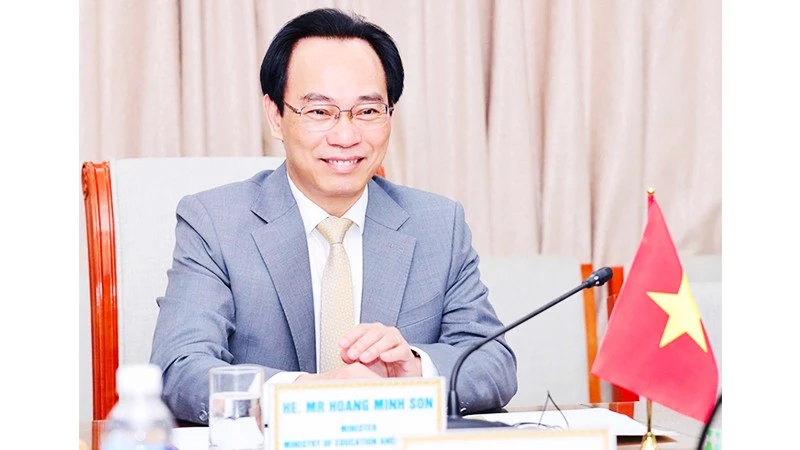
The Ministry of Education and Training is focusing on enhancing the operational efficiency of newly established multi-level boarding schools (PTNT) in border areas and ensuring the recruitment and retention of teachers. Minister of Education and Training Hoang Minh Son emphasized that these schools must go beyond mere facility construction, providing quality education and supporting students' lives. Boarding schools in border regions require higher operational standards than regular schools. Beyond classrooms and teaching equipment, comprehensive facilities are needed, including dormitories, dining halls, water supply systems, health rooms, and ensuring food safety and the security of teachers and students. The Ministry of Education and Training will uniformly manage expertise, standards, and quality, coordinating with various ministries and local authorities to establish regulations and staffing for school operations. Local authorities will directly manage each school, proactively planning student recruitment, teacher and staff deployment, facilities, budgets, and student welfare, including meals and daily life management. Recruiting and retaining teachers in border areas is a significant challenge. Minister Son pointed out that comprehensive support policies are necessary, including appropriate income and allowances, along with public housing, living conditions, health care, work environment, training opportunities, and consideration for teachers' families. Teachers working in difficult areas should receive better compensation that compensates for the disadvantages in working and living conditions. Reducing administrative burdens to allow teachers to focus more on their expertise and student guidance is also crucial. In the long term, training and deploying local teachers is considered effective for understanding local culture and language, and for long-term commitment to the region. School education should provide students with opportunities to recognize their abilities and aptitudes, and to choose their careers. Schools in border areas need to offer early exposure to various professions and production models, and facilitate interaction with local professionals, enabling students to make career choices aligned with the region's actual conditions and development plans. The goal is to foster students' skill development and motivation for community contribution through STEM education, foreign languages, digital literacy, vocational skills, and experiential learning. Source: Nhan Dan
Original source
Nhan Dan