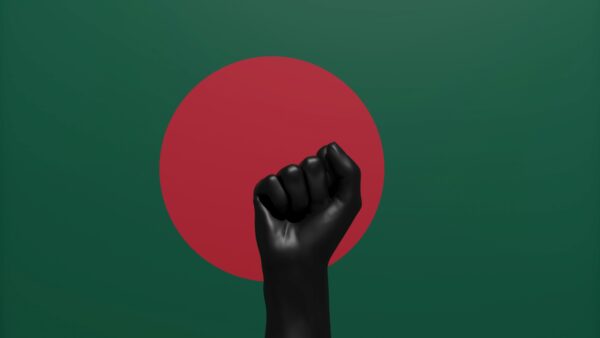
Gen Z Returns to Streets in Bangladesh Demanding Education Reforms
Politics
2026年7月16日
5
The Diplomat Indonesia

Gen Z Returns to Streets in Bangladesh Demanding Education Reforms

AI サマリー

Students in Bangladesh have returned to the streets demanding education system reforms following a controversy over the Higher Secondary Certificate (HSC) exams amidst heavy rains. The Education Minister's remarks also fueled student anger, prompting some government action.

Read The Diplomat, Know The Asia-Pacific A controversy centered on Bangladesh’s Higher Secondary Certificate (HSC) exam brought students back out to protest. The historic mass uprising of July-August 2024 brought an unprecedented political change to Bangladesh. The youth, known as Generation Z, played the most crucial role in this transformation. Following the fall of the autocratic regime, these young people expected their aspirations to be fulfilled. Nearly two years have passed, and a gap remains between their expectations and the reality. Following the interim government formed after the uprising, an elected government is now in power, led by the Bangladesh Nationalist Party (BNP). Less than five months after this government took office, Gen Z is back on the streets in Dhaka and other parts of the country. This time, they are demanding reforms to Bangladesh’s education system. The controversy began with the weather. Higher Secondary Certificate (HSC) and equivalent exams began on July 2; around 1.3 million students are participating in the exam, which is the gateway to university admissions in Bangladesh. But by the second week of July, very heavy rainfall across the country created an extreme disaster situation. In particular, a flood situation developed in the Chittagong region, and waterlogging occurred in cities like Dhaka and Chittagong. Considering the severity of the floods, the Ministry of Education logically postponed the exams in five districts under the Chittagong Education Board. However, the decision was made to continue examinations in other education boards, and that sparked anger among the students. While the flooding was worst in Chittagong, the weather was also hostile in other places, including Comilla. Examinees had to reach their centers by wading through knee-deep water, getting drenched, and facing storms and rain. Many students were forced to take exams while sick or without proper preparation and peace of mind. In such a disastrous situation, it is natural for anger to brew among students and their parents. Education Minister A. N. M. Ehsanul Hoque Milon’s comments added fuel to the fire of the students’ anger. Audio of the education minister’s phone conversation with the parent of a female examinee spread on social media. In that clip, Milon was heard apparently saying, “In a meeting, someone was saying that if my daughter gets a little wet, she gets a fever. I said that these are farm chickens. If they get a little wet, they get a fever.” The students erupted in anger over the phrase “farm chickens.” According to media reports, students took to the streets in at least 13 districts, including Dhaka, Chittagong, and Comilla, blocking roads, surrounding education boards, and holding protest rallies. Students took to the streets chanting sarcastic slogans like “Who are you? Who are we? Farm chicken!” They blocked crucial intersections in the capital city, Dhaka. Students complained that many of them had caught a fever after getting wet in the monsoon rain, and on top of that, the lack of adequate gaps in the exam schedule was creating mental pressure. They demanded Milon’s resignation. On July 14, scenes of police charging students with batons to remove them from the street in front of the Parliament complex reopened deep wounds among the public. At the same time, severe traffic congestion on Dhaka’s roads throughout the day caused immense difficulties for locals. On July 15, they continued their movement by blocking roads and gave a new list of six demands, including allowing retests for students affected by the weather. On July 16, students sat for their exams. As of this writing, they have not been seen on the streets so far. On July 14, as the situation escalated, Prime Minister Tariq Rahman held an emergency meeting with Milon at the Parliament building. Following this, the education minister apologized for his remarks on the floor of the National Parliament. He admitted that students faced immense suffering due to rain and waterlogging. In a statement on July 15, Milon said that arrangements would be made to retake exams for those who were unable to participate. Separately, Mahdi Amin, the advisor to the prime minister on education, highlighted five key initiatives taken by the government. First, students who could not take the July 13 exam due to hostile weather will be given another opportunity to sit for it. They can participate in the exams using identical question papers at the same time scheduled for the postponed exams of the Chittagong Board. Second, full marks will be given to all examinees for two incorrect questions in the Physics First Paper exam. Third, four teachers involved in preparing the faulty question paper have been temporarily suspended. Fourth, local administrations have been given full authority to postpone exams, change centers, or adjust exam timings so that examinees do not face any suffering. Milon’s apology and Amin’s steps essentially validate the students’ demands. However, if these solutions had been offered earlier, the protest movement might not have escalated this far. Concerns have also been raised about the potential for political groups to take advantage of the students’ anger. Home Minister Salahuddin Ahmed spoke at the secretariat on July 16, warning that certain groups are trying to “fish in muddy waters” using the student movement as a front. The Awami League, which fell during the 2024 uprising and is currently a banned political party, along with its student wing Chhatra League, has been trying to capitalize on the unrest by spreading misinformation on social media. Today, students have not been seen on the streets so far, but this debate remains active on social media and in other spheres. It’s time for a swift resolution of the misunderstanding between the students and the government, allowing the remaining exams to be completed smoothly and successfully. The government must also demonstrate greater sensitivity, foresight, and sincerity in the future to prevent issues from boiling over. In a sensitive and democratic system, a healthy education system must be sustained by respecting the emotions and feelings of the students. Subscribe today and join thousands of diplomats, analysts, policy professionals and business readers who rely on The Diplomat for expert Asia-Pacific coverage. Get unlimited access to in-depth analysis you won't find anywhere else, from South China Sea tensions to ASEAN diplomacy to India-Pakistan relations. More than 5,000 articles a year. Already have an account? Log in. Md Faruk Hassain is a Bangladeshi journalist and media researcher specializing in politics, diplomacy and climate change. He holds graduate and postgraduate degrees in Journalism and Media Studies from Jahangirnagar University, Dhaka. Get briefed on the story of the week, and developing stories to watch across the Asia-Pacific.

多角的分析

経済的影響

今回のデモは、教育システムへの不満が表面化したものであり、直接的な経済的影響は限定的と見られる。しかし、教育の質の低下は将来的な人的資本の蓄積に影響を与え、長期的な経済成長の足かせとなる可能性がある。また、試験の遅延や再試験の実施は、教育機関や関連産業における運営コストの増加を招くことも考えられる。バングラデシュ経済は若年人口が多く、教育への投資は将来の経済発展の鍵を握るため、今回の事態は無視できない。

投資家心理

現時点では、この教育を巡る混乱が直接的に外国投資家の投資判断に大きな影響を与える可能性は低い。しかし、社会不安の兆候として捉えられる可能性はある。特に、政治的混乱や政策決定の不透明性が示唆される場合、投資家はリスク回避の姿勢を強める可能性がある。バングラデシュは、縫製業などを中心に海外からの投資を求めているため、教育システムのような基盤となる社会インフラへの懸念は、長期的な投資環境に影響を与えうる。

社会的影響

今回のデモは、バングラデシュのZ世代が、過去の政治変革で果たした役割を背景に、教育システムにおける不公正や不備に対して声を上げる権利を行使していることを示している。教育大臣の「養鶏場のひよこ」発言は、学生や保護者からの敬意を欠くものとして受け止められ、社会的な怒りを増幅させた。また、デモ参加者への警察による介入は、過去のデモで負った傷を再び開かせ、政府に対する不信感を高める可能性がある。ダッカでの交通渋滞は、デモ参加者だけでなく、一般市民の日常生活にも大きな影響を与えた。

市民の声

今回のデモは、バングラデシュの若者たちが、自分たちの将来に関わる教育制度の不備に対して、明確な意思表示をしていることを示している。特に、悪天候下での試験実施や、教育大臣の配慮に欠ける発言は、多くの学生や保護者の怒りと不満を招いた。過去の政治変革で重要な役割を果たしたGen Zが、今度は教育改革という新たな課題に直面している。彼らの要求が満たされるかどうかが、今後の社会の安定と発展に影響を与えるだろう。

背景・歴史的文脈

バングラデシュでは、2024年7月から8月にかけて、大規模な民衆蜂起により旧政権が崩壊し、 interim government が樹立された。この蜂起において、若者世代(Gen Z)が中心的な役割を果たした。旧政権崩壊後、選挙を経てバングラデシュ国民党(BNP)主導の政権が発足したが、国民の期待は高い。今回、HSC試験を巡る混乱は、この期待と現実の乖離、そして教育システムへの不満が表面化した形である。過去の政治的混乱の記憶が、学生の行動や政府への不信感に影響を与えていると考えられる。

原文ソース

The Diplomat Indonesia

原文を読む