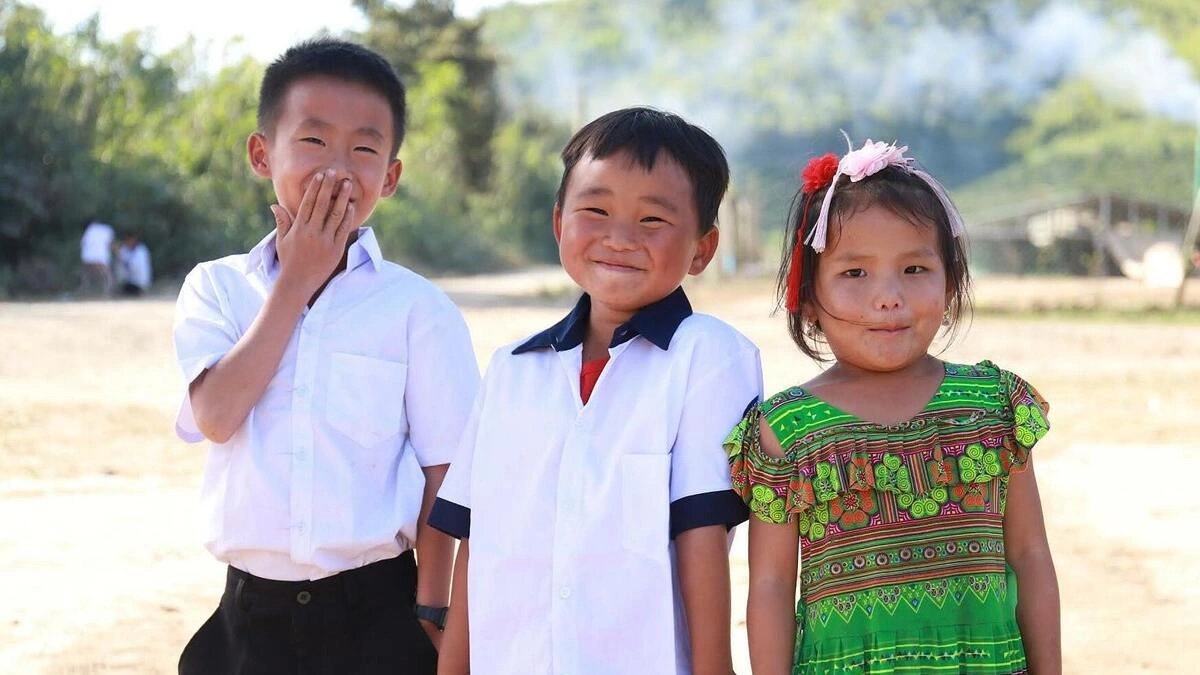
Home Credit Vietnam Supports Construction of Two New Schools in Remote Areas
Infrastructure
2026年7月10日
3
VnExpress

Home Credit Vietnam Supports Construction of Two New Schools in Remote Areas

AI サマリー

Home Credit Vietnam has donated VND 1.2 billion to build a total of seven classrooms and associated facilities in two disadvantaged areas in Lao Cai and Lam Dong provinces. This initiative will provide over 200 children, who previously studied in poor conditions, with a safer and more conducive learning environment.

Home Credit Vietnam has donated VND 1.2 billion (approximately $50,000) to support the construction of two school facilities in disadvantaged areas in Lao Cai and Lam Dong provinces. This initiative will lead to the creation of a total of seven new classrooms and associated facilities, benefiting over 200 children who were previously learning in substandard conditions. At the Co De Sang sub-school of Seo Di Ho Kindergarten in Lao Cai Province, nearly 120 Hmong children were attending classes in makeshift wooden and corrugated iron structures, vulnerable to rain and wind. Built in 2013, these classrooms had never been repaired and were severely deteriorated, particularly affecting lessons during heavy rainfall. Home Credit Vietnam is contributing VND 600 million to facilitate the construction of two new classrooms with integrated sanitation facilities, aiming to provide a safer and more comfortable learning environment. "On days with heavy rain, the sound of rain drumming on the corrugated iron roof affects teaching, and in winter, the classrooms struggle to keep children warm," shared Ms. Giang Thi Ca, Principal of Seo Di Ho Kindergarten. Meanwhile, at the 179 sub-school of Lieng Srong Primary School in Dam Rong 2 village, Lam Dong Province, over 130 Hmong households' children studied in classrooms with wooden walls and corrugated iron roofs, lacking electricity and frequently exposed to harsh weather. The access road to this sub-school also becomes muddy and difficult to navigate during the rainy season, posing significant challenges for teachers and students. The school's representative noted that the poor learning conditions also impact student attendance and the retention of teachers in remote areas. A project is underway to build five new classrooms, a six-compartment sanitation area, a concrete playground, and 200 meters of fencing. The total cost of this project is over VND 2.6 billion, with Home Credit Vietnam donating VND 600 million through its "Home Love" initiative. This project is expected to be completed before the new academic year, offering students a safe and modern learning space. Home Credit Vietnam has been a partner of the "Light of School" program by Quỹ Hy Vọng (Hope Foundation) since 2023, contributing to educational improvements in numerous localities including Dien Bien, Nghe An, Thanh Hoa, Gia Lai, Ca Mau, and now Lao Cai and Lam Dong. These activities are part of the company's "Home Love" community investment initiative, focusing on education and support for underprivileged children. The "Light of School" program, launched by Quỹ Hy Vọng in 2018, mobilizes social resources to enhance learning environments by building and renovating schools, and providing essential equipment, teaching materials, and sanitation facilities nationwide. Source: VnExpress

多角的分析

経済的影響

Home Credit Vietnam's contribution, while significant for the local communities, represents a small fraction of the overall economic development spending in Vietnam. However, such CSR (Corporate Social Responsibility) initiatives are crucial for companies operating in Vietnam to build goodwill and brand loyalty, especially in regions where basic infrastructure is still developing. The economic impact extends beyond the immediate construction, potentially improving long-term human capital through better education, which is a key driver of Vietnam's sustained economic growth.

投資家心理

For investors, this news highlights the growing importance of ESG (Environmental, Social, and Governance) factors in Vietnam. Companies demonstrating strong CSR commitment, like Home Credit, can enhance their reputation and attract socially conscious investors. While not directly impacting financial returns in the short term, such actions can mitigate reputational risks and contribute to long-term brand value, which is increasingly considered in investment decisions.

社会的影響

The initiative directly addresses the disparity in educational resources between urban centers and remote, ethnic minority areas. The children in Lao Cai and Lam Dong, primarily from Hmong communities, face significant disadvantages due to inadequate school infrastructure. The new facilities promise not only physical safety but also a more conducive learning atmosphere, potentially reducing dropout rates and improving educational outcomes. This directly impacts the daily lives of these students and their families, offering a tangible step towards greater social equity. The improved infrastructure also eases the burden on teachers, potentially aiding in their retention in these challenging locations.

市民の声

Citizens, especially those in rural and mountainous areas, benefit directly from improved educational infrastructure. The construction of new, safe classrooms means children no longer have to learn in dilapidated or weather-affected temporary structures. This reduces anxiety for parents about their children's safety and well-being during school hours. For teachers, better facilities can lead to improved morale and a more effective teaching environment, indirectly benefiting the entire community by fostering a stronger educational foundation for the next generation.

背景・歴史的文脈

ベトナムでは、都市部と地方、特に山岳地帯や少数民族地域との間には、インフラ、教育、医療などの分野で著しい格差が存在する。政府は経済成長と開発を推進しているが、広範な国土と多様な地理的条件、そして歴史的な開発の遅れから、一部地域では基本的な教育環境さえも整っていないのが現状である。このような状況下、企業によるCSR活動は、政府の取り組みを補完し、教育格差の是正に貢献する重要な役割を果たしている。Home Credit Vietnamのような企業の支援は、特に恵まれない子供たちに安全で質の高い学習機会を提供し、長期的な社会開発に寄与するものである。

原文ソース

VnExpress

原文を読む