Second-Hand Homes Drive Thailand's Real Estate Market Recovery
Economy
2026年7月22日
5
Chiang Rai Times

General articles are free for 24 hours after publish.

Second-Hand Homes Drive Thailand's Real Estate Market Recovery

Share
AI Summary

Thailand's housing market is showing signs of recovery, with a significant shift in demand from new constructions to second-hand homes driven by changing economic conditions. Affordability and immediate occupancy are key factors making pre-owned properties attractive to budget-conscious buyers.

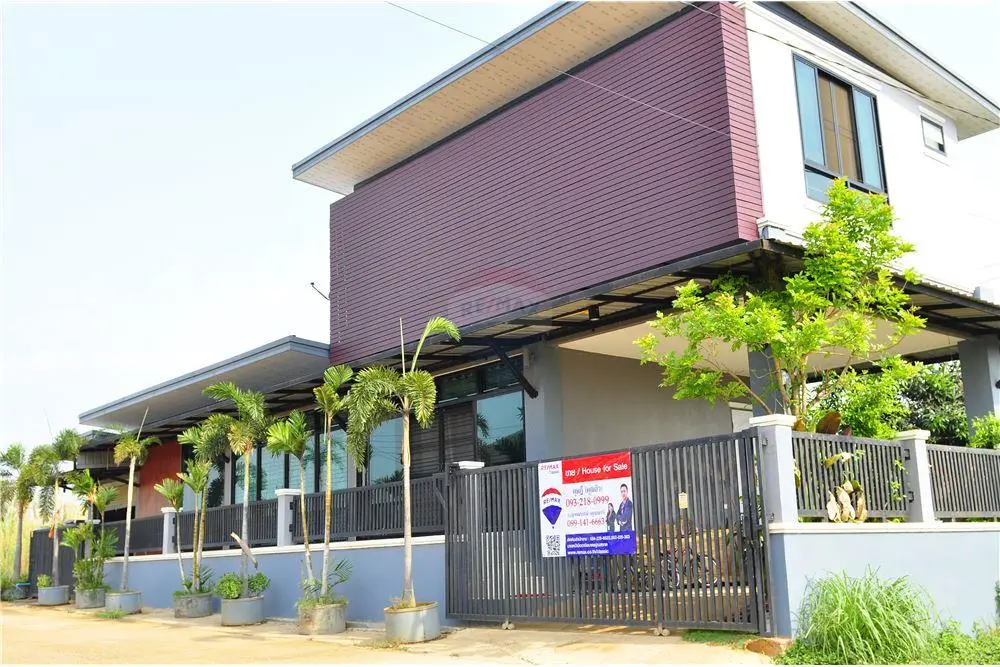
Thailand’s housing market is finally showing signs of stability after a tough period. However, the path to full recovery looks very different from what experts originally expected. According to the Housing Finance Association, ordinary buyers are driving this gradual rebound by choosing second-hand homes instead of newly launched projects. This major shift makes perfect sense when you look at current economic conditions. Everyday buyers face shrinking purchasing power and extremely tight family budgets. Consequently, basic affordability has replaced speculative investment as the main reason people buy property today. Second-hand homes fit perfectly with what modern buyers truly need today. These older properties naturally offer much lower price tags than brand new buildings. Furthermore, they are located in well-established neighborhoods and allow buyers to move in right away. Before the pandemic, people often bought homes off-plan to secure a good deal. That risky trend has faded because buyers now want total certainty before signing contracts. Today, purchasers strongly prefer completed homes where they can inspect the actual living spaces first. This extra caution stems from a strong desire to avoid costly construction delays. Completed homes also allow buyers to get their mortgage approved right before the transfer. This straightforward approach removes a lot of stress and financial uncertainty from the buying process. The numbers show a dramatic change in how people shop for real estate. Almost two decades ago, new homes completely dominated the local property market by accounting for 62% of transaction value. Today, that market balance has entirely flipped in favor of older, pre-owned properties. Recent data from the first quarter of 2026 confirms this massive market shift. According to a recent report by the Bangkok Post, second-hand homes now represent a striking 67% of all residential transfers. This leaves newly built homes capturing only a small 33% share of the current market. The total value gap between old and new properties has also closed significantly. Existing homes now account for 48% of the total transfer value across the nation. In cities like Bangkok, the listed value of used homes has jumped substantially, as noted by Nation Thailand. Real estate developers must quickly change their business plans to survive this market shift. They need to align their new building projects with what everyday buyers actually want and can afford. Relying on hopes of a sudden market boom is no longer a safe or effective business strategy. Industry experts clearly suggest that projects aimed at actual home residents will do best. Builders should focus heavily on practical room sizes, fair pricing, and nearly finished houses. These practical types of homes will easily outperform risky speculative projects in the coming years. Finally, major demographic changes are playing a huge role in the modern property market. Thailand currently has an aging population, and new households are forming at much slower rates. Developers must deeply rethink their home designs and pricing strategies to meet these new societal needs. The Thai housing market has stabilized, but the days of rapid growth have officially ended. Moving forward, the industry must rely on genuine home seekers rather than wealthy investors. For many young families, an affordable second-hand home is now the most sensible choice available. The government continues to support the property market through helpful fee reductions and relaxed loan rules. These positive measures certainly help reduce the heavy financial burden on new home buyers. However, buyers remain very careful about taking on too much long-term household debt. Ultimately, this gradual shift creates a healthier and more sustainable real estate environment overall. It forces construction companies to compete on real value rather than just flashy marketing promises. As the market slowly recovers, the humble second-hand home will undoubtedly remain the undisputed star. Source: Chiang Rai Times

0

Original source

Chiang Rai Times

原文を読む