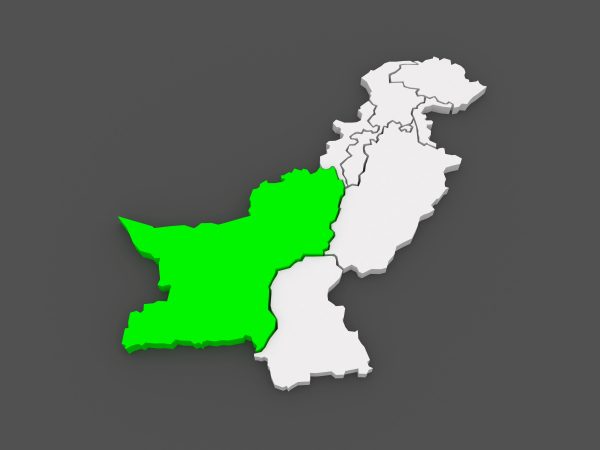
Pakistan Launches Operation Shaban Against Militants in Balochistan
Pakistan has launched a major military operation, codenamed Operation Shaban, in Balochistan in response to a surge in terrorist attacks. The operation targets both TTP and BLA militant groups.
Pakistan has launched a major military operation in Balochistan aimed at dismantling terrorist networks across the province. Codenamed Operation Shaban, the campaign is being jointly conducted by the Army, Frontier Corps, and Balochistan Police. Operation Shaban was initiated in response to a deadly terrorist attack on July 7 in the Mangi Dam area, which claimed the lives of 27 police personnel. The operation involves ground troops as well as Air Force-linked operations targeting militants in the province’s rugged mountainous terrain. Since its launch, security forces have killed approximately 123 militants belonging to various extremist groups across the province. There has been a sharp spike in terrorist attacks across Balochistan in recent months. Militants from the banned Tehreek-e-Taliban Pakistan (TTP), allied with Afghanistan’s Taliban, and the banned Balochistan Liberation Army (BLA) have increasingly targeted state forces, foreign investment projects, and infrastructure in the mineral-laden region. Earlier this month, the country’s top civilian and military leadership, led by Prime Minister Shehbaz Sharif and Army Chief General Asim Munir, convened in Quetta, Balochistan’s capital, to assess the deteriorating security situation. “One thing is decided: it is a mutual and singular decision of the civil and military leadership that we must end terrorism collectively,” Sharif, who chaired the meeting, said. Officials familiar with the planning told The Diplomat that Operation Shaban is designed as a sustained military campaign to dismantle terrorist infrastructure, deny militants safe havens, and restore the writ of the state across Balochistan. The operation is unfolding across two distinct geographic fronts, targeting TTP elements and their sanctuaries in the northern districts, and focusing on the BLA and affiliated separatist groups in the southern districts. This marks an unprecedented scale of simultaneous operations for the province. The mounting convergence of TTP and Baloch militant operations reveals a shifting and highly complex threat environment, compelling Pakistani authorities to design a far more comprehensive security response. The operation aims to exert lasting pressure on militant sanctuaries, going beyond short-term retaliation. Furthermore, the scale of the operation reflects the federal government's understanding of the need to restore normalcy and stability in Balochistan. While military action is essential, long-term stability is believed to be best achieved when security measures are complemented by administrative, development, and political initiatives. Kinetic operations are crucial for securing the immediate challenging situation, but these efforts must be accompanied by strengthening local institutions and socio-economic development to offer an inclusive path forward for the province. While those who pursue violence and challenge the integrity of the state must be dealt with firmly, the Pakistani government must ensure that the door for reconciliation remains open for those willing to renounce violence and operate within the constitutional framework. Operation Shaban will have significant implications not only for Balochistan but for Pakistan’s overall internal stability. If the operation helps in restoring security and creates space for development and dialogue, it could mark a significant step toward normalizing conditions in one of the country’s most strategically important regions. Source: The Diplomat Indonesia
多角的分析
Operation Shaban's focus on dismantling terrorist infrastructure and denying safe havens is directly linked to protecting foreign investment projects and key infrastructure in Balochistan. The mineral-rich nature of the region makes it a target for both state development and militant disruption. The success of this operation could lead to a more stable environment for resource extraction and infrastructure development, potentially attracting further investment. Conversely, prolonged conflict or civilian casualties could deter investors and disrupt supply chains, negatively impacting economic growth in the region.
Investors in Balochistan, particularly those involved in mining, energy, and infrastructure projects, will be closely watching Operation Shaban. A successful operation that restores security and stability could de-risk investments and encourage further capital inflow. However, any perception of escalating conflict or prolonged instability could lead to divestment or a freeze on new projects. The government's commitment to complementing kinetic operations with administrative and development initiatives will be crucial for long-term investor confidence.
Operation Shaban directly impacts the lives of citizens in Balochistan, particularly in the northern and southern districts. Increased military presence and operations, while aimed at enhancing security, can also lead to civilian displacement, disruption of daily life, and potential human rights concerns. The article highlights the need for reconciliation and a viable political process, suggesting that military solutions alone are insufficient. The success of the operation will be measured not only by the number of militants neutralized but also by the extent to which it contributes to the long-term well-being and integration of the Baloch population.
For citizens in Balochistan, Operation Shaban represents a complex reality. While the stated aim is to protect them from terrorist attacks, the presence of a large-scale military operation can be disruptive. Residents in northern districts might experience increased security checks and potential restrictions due to TTP presence, while those in southern areas could face similar disruptions due to BLA activities. The government's promise of development and administrative initiatives alongside military action is a critical factor for citizens, offering a potential pathway to normalcy and improved living conditions, provided these are effectively implemented and inclusive.
背景・歴史的文脈
バローチスター州は、パキスタンの広大な地域を占める天然資源が豊富な州であり、長年にわたり分離主義運動とテロ組織の活動に悩まされてきました。特に、2000年代以降、バローチスター解放軍(BLA)は州の独立を求めて政府軍やインフラを標的とした攻撃を繰り返してきました。近年、テハマール・イスラーミー・パキスタン(TTP)もアフガニスタンとの国境を越えて活動を拡大し、バローチスター州でのテロ活動を活発化させています。7月のマンギダムでのテロ事件は、これらの脅威の深刻化を示す象徴的な出来事であり、パキスタン政府が包括的な軍事作戦を断行する決断を促しました。この作戦は、単なる報復ではなく、テロ組織の根絶と州の安定化を目指す長期的な戦略の一環と位置づけられています。
原文ソース
The Diplomat Indonesia