Vietnam Builds Trust with Digital Agricultural Traceability System
Technology
2026年7月4日
5
Nhan Dan

Vietnam Builds Trust with Digital Agricultural Traceability System

AI サマリー

Vietnam has launched a new agricultural traceability system utilizing QR codes. This system allows consumers to access detailed information about agricultural products, from their origin to production processes, aiming to enhance the trust and added value of Vietnamese agricultural goods.

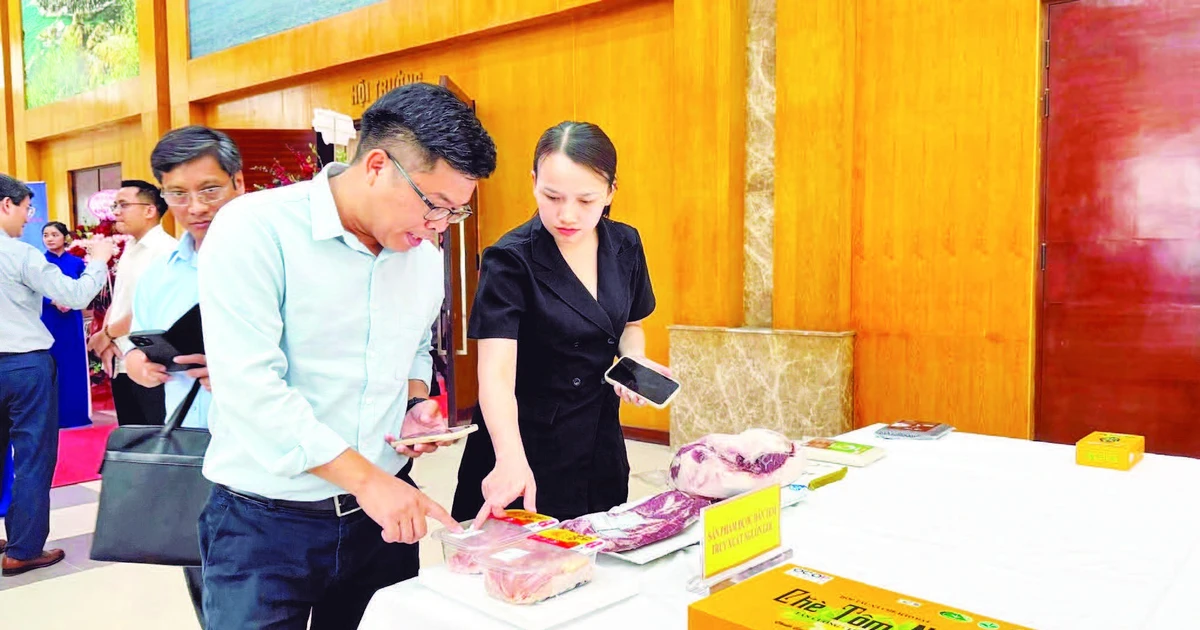
Vietnam has officially launched a nationwide agricultural product traceability system. This system allows consumers to access comprehensive information about numerous agricultural products across the country simply by scanning a QR code attached to the product, including details about the cultivation area, packaging facility, and production process. This system serves as a database that guarantees transparency throughout the entire production chain, forming the foundation for building trust and increasing the added value of Vietnamese agricultural products. At the system's announcement ceremony hosted by the Ministry of Agriculture and Rural Development, many attendees experienced firsthand by scanning QR codes on fruits, rice, meat, and tea products with their smartphones, obtaining detailed information such as exporter, cultivation area code, farmer's name, packaging facility, manufacturing date, expiry date, and batch number within seconds. Particularly noteworthy is the transparency of the product's "diary" before it reaches consumers, detailing everything from cultivation management, flowering treatment, fertilizer and pesticide use, sugar content testing, to harvesting and packaging. According to the Ministry of Agriculture and Rural Development, from July 1st, consumers nationwide can inquire about this information by scanning QR codes on many participating products to verify it before making a purchase decision. Ms. Nguyen Khanh Linh from Nghia Do ward, Hanoi, shared, "Previously, some agricultural products also had QR codes, but the information was quite basic, mainly just the company name or place of production. Now, if I can see the entire journey of the product, I will feel more secure when buying. Between products of the same type, I will definitely prioritize choosing products with complete and transparent traceability information." The traceability system is capable of handling approximately 1,000 inquiries per second, 30,000 simultaneous scans, over 85 million scans per day, and approximately 50 MB of data transmission per second. Mr. To Nguyen Thanh, representative of Netacom Company, a partner in the system's implementation, stated that the system can connect over 500,000 software solution providers for traceability, serving about 200,000 production and processing enterprises, and about 9 million farmers and cooperatives. Its storage capacity can accommodate approximately 1.5 billion products generated annually. Furthermore, it has the capacity to process about 7.7 billion scans per year, meeting the needs for national and international scale deployment. Ms. Do Thi Thu Nga, Director of Legal and External Affairs at Masan MEATLife Joint Stock Company, mentioned that her company is one of the first to link with the Ministry of Agriculture and Rural Development's agricultural product traceability system, having implemented it for chicken products and currently finalizing technical aspects for chilled pork products. Masan MEATLife is also ready in terms of technological infrastructure, data, and processes for large-scale traceability deployment. Currently, 100% of the company's pork and chicken products are equipped with QR codes for information traceability, and data from production, slaughter, processing, and distribution are digitized and controlled throughout the entire supply chain. "Practical operation shows that the system has provided businesses with necessary product information when needed for checks or incident handling, effectively supporting quality management and meeting inspection requirements," Ms. Nga emphasized. Moving forward, for the system to operate effectively, many businesses believe that continuous improvement and expansion of the traceability database are necessary, ensuring data is updated fully, consistently, and interconnectedly between localities and businesses. Additionally, mechanisms to support enterprises, cooperatives, and producers in adopting digital technology are needed. Connecting the system with data on cultivation area codes, packaging facilities, quarantine, quality certifications, and e-commerce platforms is crucial to form a seamless data chain from production to consumption. Moreover, strengthening public communication to cultivate the habit of scanning QR codes and checking product information before purchasing is also a vital factor in maximizing the system's value.

多角的分析

経済的影響

ベトナム政府が推進するデジタル化戦略の一環として、この農産物トレーサビリティシステムは、国内農業の競争力強化と国際市場での信頼性向上に寄与すると考えられる。生産者にとっては、品質管理の徹底とブランド価値の向上につながり、消費者は安全・安心な食品を選択できるようになる。これは、ベトナムが輸出主導型経済において、高品質な農産物輸出国としての地位を確立するための重要な一歩となる。特に、EUや米国などの先進国市場では、トレーサビリティへの要求が高まっており、このシステムはこれらの市場へのアクセスを容易にする可能性がある。

投資家心理

このシステムは、ベトナムの農業セクターへの投資機会を拡大する可能性がある。透明性の向上は、食品安全基準を満たす企業への投資リスクを低減させ、優良な生産者や加工業者への資金流入を促進するだろう。また、関連するテクノロジー企業やデータ管理サービスを提供する企業にとっても、新たなビジネスチャンスが生まれる。投資家は、このシステムへの対応状況や、デジタル化への投資意欲が高い企業に注目すべきである。

社会的影響

消費者の安全・安心への意識の高まりは、このトレーサビリティシステムの普及を後押しするだろう。特に都市部では、食品偽装や品質問題への懸念から、製品の出所を明確にしたいというニーズが高い。このシステムは、消費者が主体的に情報収集し、賢い選択をするためのツールとなる。一方で、地方の小規模農家やITリテラシーの低い層へのデジタル技術導入支援が課題となる。ハノイの消費者であるNguyễn Khánh Linhさんのように、情報が透明であれば購買意欲が増すという声は、システムが消費者の信頼を得る可能性を示唆している。

市民の声

このトレーサビリティシステムは、ベトナム市民、特に都市部の消費者に直接的な恩恵をもたらす。これまで、製品の品質や安全性について不透明な部分があったが、QRコードをスキャンするだけで生産者、栽培方法、流通経路などの詳細な情報が得られるようになるため、安心して食品を選ぶことができるようになる。例えば、ハノイに住むNguyễn Khánh Linhさんのように、これまで以上に製品の選択肢が増え、より安全な食品を手に入れられるようになる。しかし、地方の農家や高齢者など、デジタル機器の利用に不慣れな人々へのサポート体制が十分でない場合、情報格差が生じる可能性も懸念される。

背景・歴史的文脈

ベトナムは、経済発展に伴い、食品安全への関心が高まっている。過去には、農薬残留や偽装表示などの問題が消費者不安を招いたこともあり、政府はサプライチェーン全体の透明性確保を喫緊の課題としてきた。2019年の「農業・農村開発省令第15/2019/TT-BNN号」では、食品のトレーサビリティに関する基本原則が定められており、今回のシステム稼働はその具体的な実行段階と言える。これは、ベトナムが国際的な品質基準を満たし、輸出市場での競争力を高めるための戦略的な取り組みである。

原文ソース

Nhan Dan

原文を読む