Philippines Debates Nuclear Energy Push Amidst Presidential Push
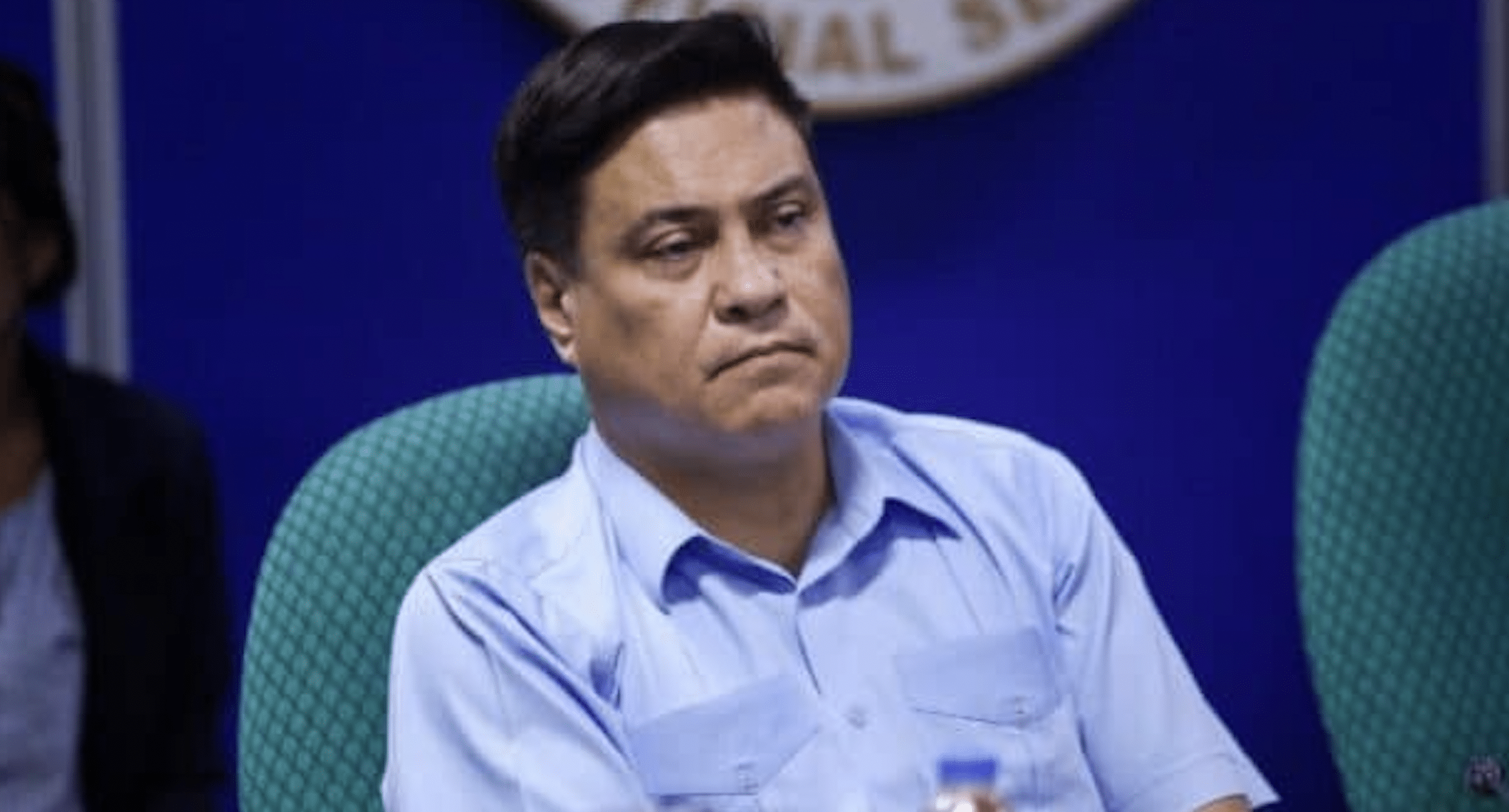
Following President Ferdinand Marcos Jr.'s renewed push for nuclear energy, the Philippines is experiencing a divided response. Senator Risa Hontiveros voiced concerns over safety and waste, while Senate Majority Leader Juan Miguel Zubiri argued it's time for the nation to explore the technology, sparking a lively debate.
This article requires PRO
This article is outside the free access window or is a special report. PRO unlocks it and the full archive.
Related articles
- Church group alarmed over Marcos’ push for nuclear energy
A Philippine church group, the InterReligious Leaders’ Council for National Transformation (ILCNT), has expressed alarm over President Marcos' intention to revisit the proposal for nuclear energy use, citing concerns about climate change and human rights impacts.
- Greenpeace Urges Marcos to Prioritize Renewable Energy
Environmental group Greenpeace urged President Ferdinand Marcos Jr. to shift towards renewable energy, calling nuclear power and fossil gas "false solutions" to achieving genuine energy independence. The group emphasizes the necessity of a policy transition.
- Marcos' Energy, Food Security Plans Lack Detail, Business Groups Say
Philippine business chambers have called for more concrete long-term strategies from President Ferdinand Marcos Jr. regarding energy and food security, noting a lack of detail in his recent congressional address. They emphasized the need for sustained reforms to improve the investment climate.
- Marcos' WPS Stance Bolsters AFP's Mandate to Defend Sovereignty
The Armed Forces of the Philippines (AFP) stated that President Ferdinand Marcos Jr.'s firm stance on the West Philippine Sea, articulated in his State of the Nation Address, reinforces the military's mandate to defend national sovereignty. The President reiterated commitment to asserting rights through peaceful and legal means.