General articles are free for 24 hours after publish.
Cambodia Intensifies Efforts Against Mosquito-Borne Diseases with Education and Spraying in Provinces
Cambodia's Ministry of Health is enhancing public education and insecticide spraying in Malai District, Banteay Meanchey Province, to prevent the spread of mosquito-borne diseases, particularly dengue and chikungunya. Health officials and local communities are collaborating to eliminate mosquito breeding grounds and reduce infection risks ahead of the rainy season.
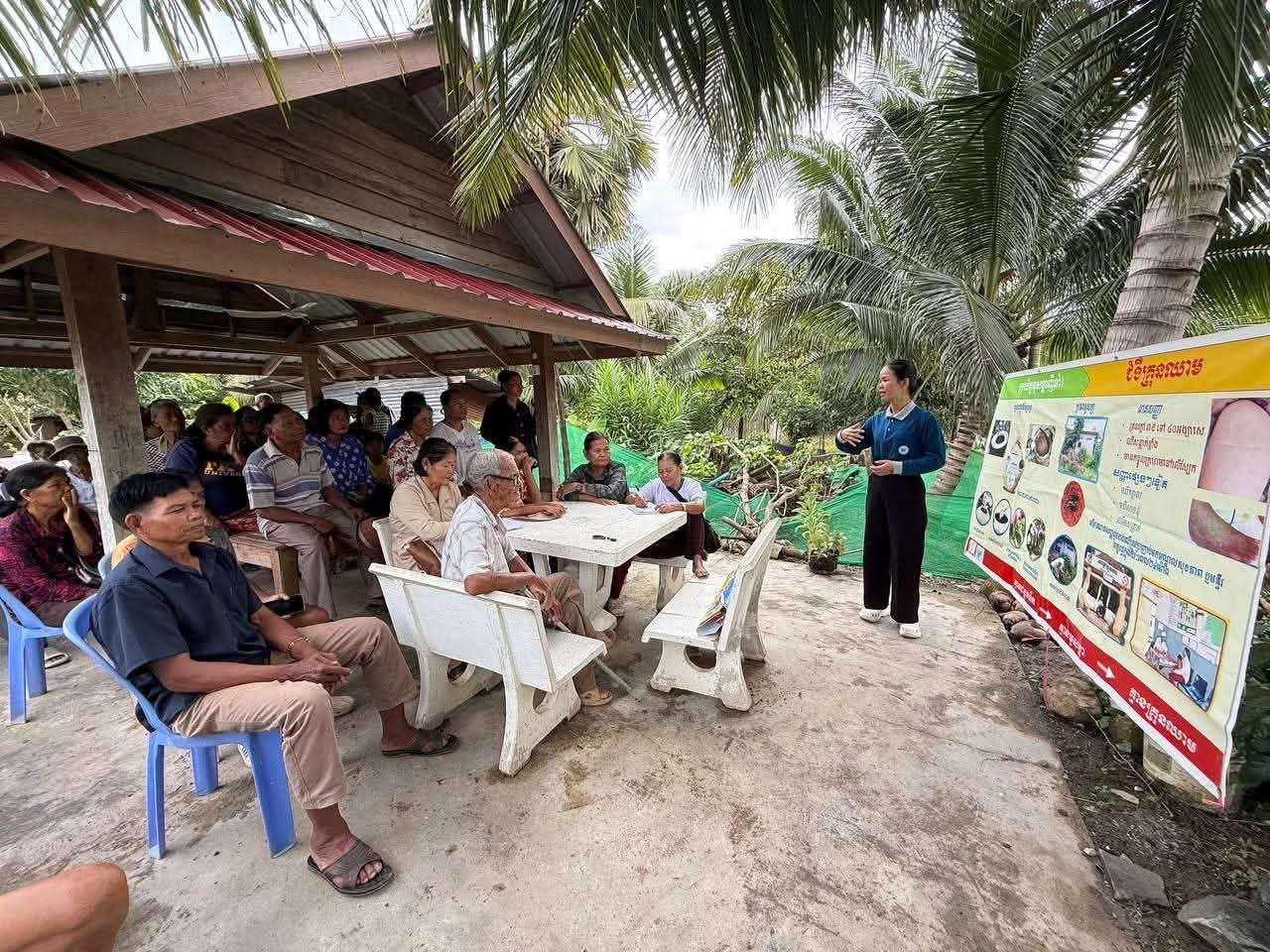
The Ministry of Health in Cambodia is intensifying public education and insecticide spraying in Malai District, Banteay Meanchey Province, to prevent the spread of mosquito-borne diseases, particularly dengue fever and chikungunya. The rainy season favors mosquito breeding, prompting health authorities to focus on disease prevention efforts. On September 11th and 12th, 2026, the Banteay Meanchey Provincial Department of Health, in collaboration with the Malai District Operational Health Office, health centers, commune/village authorities, and village self-defense forces, conducted educational outreach on disease prevention measures. Insecticide spraying was also carried out in areas within Malai District. These activities demonstrate the commitment of health officials and local authorities to respond promptly to the risks of diseases that can be transmitted by mosquitoes and to protect public health. Dr. Le Chanthy Sanvat, Director of the Banteay Meanchey Provincial Department of Health, praised health officials, local authorities, village self-defense forces, and residents for their active participation in eliminating mosquitoes and their breeding grounds to protect the health of families and communities. Dr. Chanthy Sanvat emphasized that insecticide spraying is merely an additional measure, while public participation in environmental cleaning and regular elimination of water-holding containers is the core and most effective strategy to break the mosquito breeding cycle. He urged every family to regularly inspect and clean around their homes, paying attention to potential water-holding items such as old tires, plastic containers, broken pottery, and other objects that can collect rainwater. Dr. Le Chanthy Sanvat stressed that eliminating mosquito breeding sites is not solely the responsibility of health officials but a shared duty of families, communities, local authorities, and all relevant parties. He stated that if all families participate in cleaning their environment and eliminating water-holding objects regularly, it will significantly reduce mosquito breeding sources and effectively lower the risk of disease transmission. He also conveyed a crucial message: "No larvae, no mosquitoes, and no widespread dengue fever in the community." This serves as a reminder to the public that preventing dengue fever and chikungunya must begin with eliminating mosquito breeding sources around homes and communities before mosquitoes emerge and transmit diseases. The educational outreach and insecticide spraying in Malai District not only address the local disease situation but also encourage public participation in self-health protection and the creation of a clean, safe living environment, thereby reducing the risk of mosquito-borne diseases. Therefore, the continued participation of the public in environmental cleaning, elimination of water-holding breeding sites, and regular implementation of disease prevention measures are key to collectively breaking the mosquito breeding cycle and better protecting the health of families and communities. Source: AKP Khmer
Original source
AKP Khmer