General articles are free for 24 hours after publish.
Vietnam Bans Import of Forced Labor Products Under New Decree
The Vietnamese government has issued a decree prohibiting the import of goods produced by forced labor, signaling a move to align with international labor standards and strengthen ethical sourcing in its supply chains.
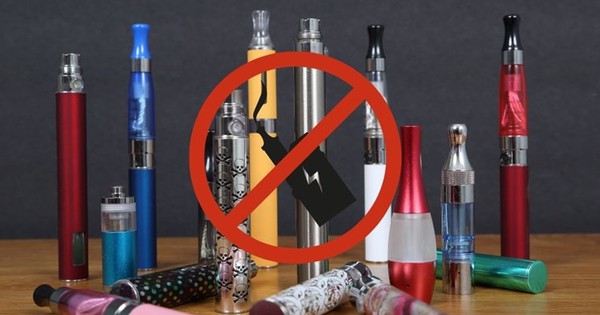
The Government of Vietnam has promulgated Decree No. 292/2026/ND-CP, dated July 22, 2026, detailing the implementation of several articles of the Law on foreign trade management. Specifically, Article 5 of this decree outlines goods prohibited from export and import. According to the decree, goods prohibited from export and import must comply with prevailing legal documents and the List of Goods prohibited from export and import prescribed in Appendix I of the decree. Ministers and Heads of ministerial-level agencies are responsible for promulgating detailed lists of these goods, including their Harmonized System (HS) codes, unless existing laws already provide such details. Goods prohibited from export and import under Appendix I of this decree are those whose HS codes and detailed descriptions are included in the detailed lists published by Ministers and Heads of ministerial-level agencies. Notably, the decree strictly prohibits the importation of products and goods mined, produced, or manufactured wholly or in part by forced labor from enterprises, countries, or territories, in accordance with relevant international treaties to which the Socialist Republic of Viet Nam is a contracting party. This move is expected to enhance ethical sourcing and compliance with international standards within Vietnam's supply chains. The decree also details the application procedures for permits to export or import prohibited goods. An application dossier must include an application form, an explanatory document on the plan for use, management process during use, and disposal plan after use, and a report on the implementation status of previously issued licenses, if any. The licensing authority is to issue permits within five working days of receiving a complete and valid dossier, or provide written reasons for refusal. The validity period of the written approval will be specified on a case-by-case basis. The retention and use period for imported prohibited goods in Vietnam shall not exceed two years, based on the period registered by the trader. Traders granted export or import licenses for prohibited goods are responsible for submitting an annual report on the export, import, utilization, and disposal of the goods to the licensing authority by December 31 each year. The list of prohibited export goods includes items such as weapons, ammunition, explosives, round timber and sawn timber from domestic natural forests, rough diamonds prohibited under the Kimberley Process Certification Scheme, and electronic cigarettes, heated tobacco products. Prohibited import goods, in addition to these, include fireworks and pyrotechnics (excluding maritime safety signal flares), sky lanterns, speed camera jamming devices, electronic cigarettes, heated tobacco products, used consumer goods, used vehicles (including textiles, garments, footwear, electronic goods, refrigeration equipment, household electrical appliances, interior decorations, household utensils, bicycles, motorcycles, and mopeds), used medical devices, and used digital technology products. This decree is interpreted as an indication of Vietnam's commitment to strengthening its position as a responsible trading partner on the international stage and pursuing sustainable economic development. The government's swift legislative action, responding to international pressures and market demands, can be seen as part of Vietnam's economic growth strategy within its one-party system. It reflects a proactive approach to trade regulation and international cooperation, aligning with global trends towards ethical and sustainable trade practices.
Original source
Bao Chinh Phu