General articles are free for 24 hours after publish.
Japan Spends 3.6 Billion Yen Over 30 Years to Eradicate Invasive Snake Hunters on One Island
Japan has spent over 30 years and approximately 3.6 billion yen to eradicate the invasive Indian gray mongoose on Amami Oshima Island. Initially introduced in 1979 to control venomous snakes, the mongoose became an ecological threat, with eradication efforts finally declared successful in September 2024. This case highlights the difficulty and long-term cost of invasive species management.
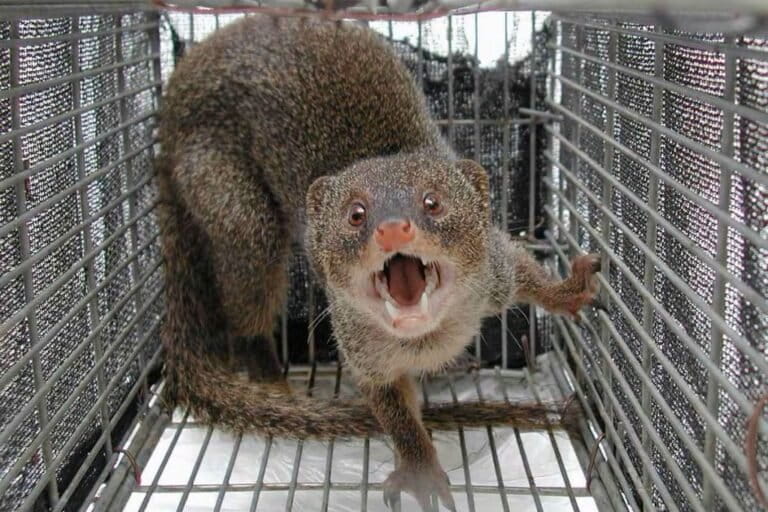
The eradication of the invasive Indian gray mongoose on Japan's Amami Oshima Island has finally been declared successful in September 2024, after more than 30 years of effort and an expenditure of approximately 3.6 billion yen (around $24 million USD). This case stands as a well-documented example of the challenges and long-term costs associated with invasive species management. The mongoose was initially introduced to the island in 1979, with around 30 individuals released to control the population of venomous snakes. However, the mongoose soon began preying not only on snakes but also on native birds and reptiles, posing a significant threat to the island's entire ecosystem. Instead of solving a problem, the introduction created a new and more complex one. Efforts to address the mongoose issue effectively began earlier than widely reported, with local authorities starting to capture mongooses as pests in 1993. The Japanese Ministry of the Environment launched surveys and pilot projects in the mid-1990s, leading to the establishment of a full-scale eradication program in 2000, by which time the mongoose population was estimated to have reached around 10,000 individuals. Methods for capture evolved over time. Lightweight tube traps were introduced from 2003 onwards, following the hiring of the first professional team to manage field operations. Two years later, Japan enacted the Invasive Alien Species Act and formed a dedicated team named the Amami Mongoose Eradication Team. From 2000 to 2024 alone, approximately 3.6 billion yen was spent on the eradication operation. This extensive campaign involved tens of thousands of traps, hundreds of monitoring cameras, and specialized tracking dogs. This protracted operation underscores how complex invasive species issues can be and how initial interventions can sometimes be insufficient. The Amami Oshima case highlights the substantial time, financial resources, and expertise required to eliminate species once they have established themselves in an ecosystem.
Original source
Mongabay Indonesia