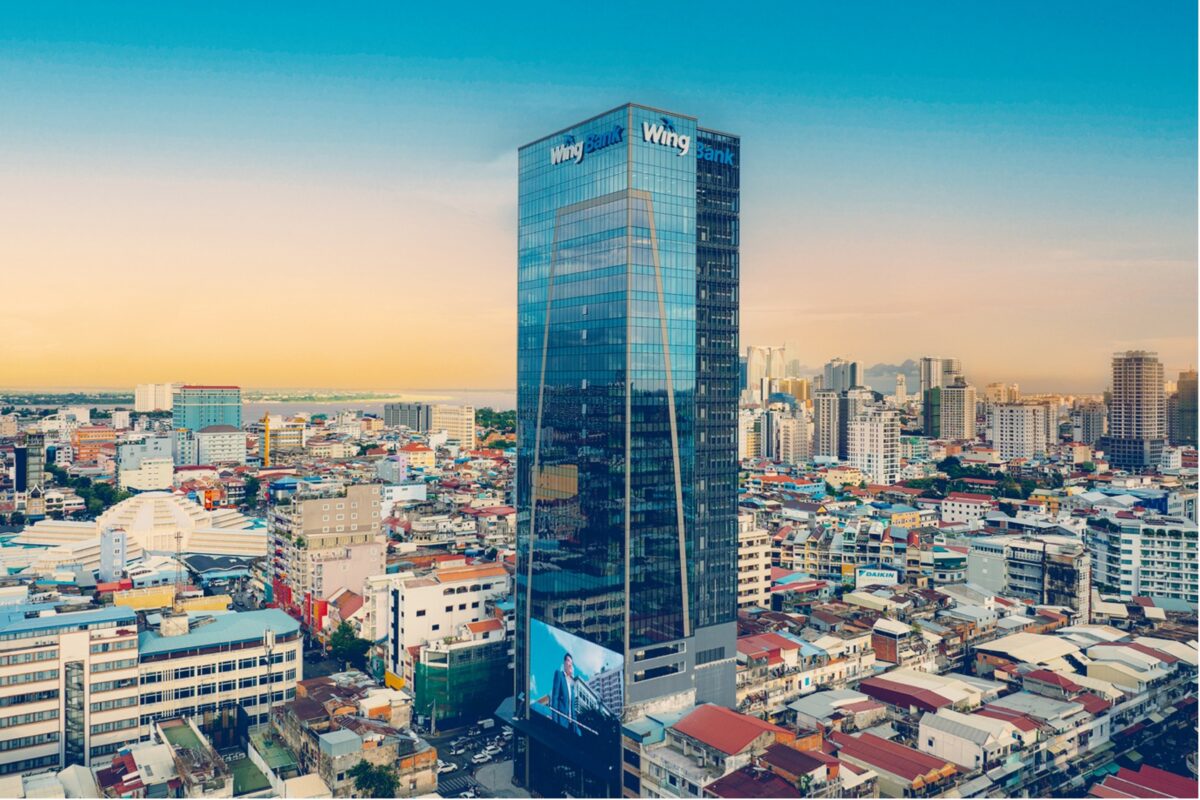
Wing Bank Enhances Customs Payment Services to Facilitate Cambodian Trade
In response to the cash flow challenges faced by Cambodian importers amidst expanding international trade, Wing Bank has launched new financial services in cooperation with the General Department of Customs and Excise. This initiative aims to help importers bridge the timing gap in customs duty payments, secure working capital, and expedite trade processes.
Globalisation and increased production capacity have driven rapid growth in Cambodia’s international trade, but as it continues to expand, importers often face a timing gap between when customs duties must be paid and when revenue from their goods becomes available. Recognising this challenge, the General Department of Customs and Excise of Cambodia (GDCE) has been working tirelessly with its partners to explore solutions that help importers settle customs duties on time, reduce cargo-clearance delays and preserve their precious working capital. Through its cooperation with the GDCE, Wing Bank has dedicated itself to resolving issues faced by logistics companies, freight forwarders and traders during the customs clearance process. To ensure customs-related financial procedures are more convenient and efficient, Wing Bank has introduced “GDCE – Logistics, Forwarders, and Trade Partners Financial Services.” Both domestic and international stakeholders are now able to facilitate transactions that coordinate smoother trade activities. Chea Marat, Head of Business Development at Wing Bank, explained that how the bank identified a common cash-flow challenge faced by importers, and devised a service that enables them to keep their business liquid. “For many businesses, the challenge is not a lack of revenue, but the timing gap between when customs duties are due and when income from the imported goods becomes available,” he noted. He highlighted how the programme enables businesses to preserve available cash for essential operating expenses, including payroll, transportation, inventory, raw materials and business expansion. “By working closely with the GDCE, Wing Bank aims to make customs-related payments more convenient, efficient and accessible,” he said. “When traders can clear their goods faster and manage their working capital more effectively, they are better positioned to expand their operations, increase trade activity and contribute to the Kingdom’s economic growth,” he added. Custom solutions for individual circumstances Wing Bank supports importers, exporters and domestic businesses with financial solutions which are designed to strengthen payment security, manage transaction risks and improve working-capital management. Eligible customers can benefit from a Secured Business Line of Credit of up to $5 million at just 7.5% p.a. or an Unsecured Business Line of Credit of up to $500,000 at 8.5% p.a., with flexible financing terms of up to 12 months. To provide additional support, Wing Bank offers 0% interest for the first 7 calendar days from each loan disbursement date, applicable to each disbursement. Customers can also enjoy a waived approval fee when using the Wing Bank Payroll Service instead of the standard 0.5% fee. With quick access to working capital, businesses can settle customs and excise obligations ahead of cargo release, meet payment deadlines with greater confidence and minimise the risk of shipment delays. Wing Bank’s collaboration with the GDCE forms part of the Bank’s broader commitment to supporting Cambodia’s trade sector and economic growth. International trade has more potential than ever The GDCE reports that the total value of imports and exports between Cambodia and all international partners in 2025 amounted to $65.25 billion, an increase of 17.66% over the $55.45 billion recorded in 2024. Cambodian exports totalled $31.28 billion, an increase of 16.95%, while imports reached $33.96 billion, an increase of 18.3%. The Kingdom’s primary trading partners include China, ASEAN countries, the US, the EU, Japan, Canada, the UK, South Korea, Australia, India and the United Arab Emirates. As trade changes and expands, customs and excise procedures for completing import and export formalities, as well as the procedures for settling payments for goods and services, are also undergoing a transformation. This dynamic environment necessitates a keen awareness of updated customs and excise procedures. Traders need to anticipate and prepare for changes in how import and export procedures are completed, which could encompass new digital submission requirements, altered documentation standards or even revised inspection protocols. Staying informed about these changes is crucial to ensuring smooth and efficient goods clearance, avoiding delays and complying with Cambodian regulations. The shifting world of international business isn’t limited to the paperwork. Financial procedures are also undergoing transformation, as traditional methods of payment and financing are supplemented or replaced by newer, more integrated solutions. Understanding these evolving financial processes is vital for managing liquidity, mitigating risks associated with cross-border transactions and optimising cash flow within business operations. Logistics insider shares customs insights Sin Chanthy, Managing Director of Linehaul Express (Cambodia) Co., Ltd. and Vice-President of the Cambodia Logistics Association, told The Post that in the era of the Fourth Industrial Revolution, the Royal Government has continuously implemented reforms across all sectors, as part of ongoing efforts to ensure Cambodia keeps pace with the rapid changes brought about by globalisation, particularly through the use of digital technology. He noted that most procedures for preparing import and export documentation, as well as making payments to the GDCE, are now conducted through online systems. “Currently, more than 90% of the documentation and data exchanged between import-export companies and customs authorities around the world is processed through online portals,” he said. Chanthy also highlighted the active role Wing Bank has played in facilitating customs duty payments, sharing his belief that the bank has emerged as a leading provider of payment solutions related to customs duties. “At present, Wing Bank plays a vital and proactive role in customs duty payment operations at the GDCE. Its flexibility and speed provide importers with greater confidence when making customs duty payments,” he said. For more information on GDCE – Logistics, Forwarders, and Trade Partners Financial Services, contact Wing Bank today. Visit any Wing Bank branch, call 023 999 989, or visit www.wingbank.com.kh.
多角的分析
カンボジア経済は国際貿易への依存度を高めており、貿易円滑化は経済成長の鍵となる。ウィングバンクのサービスは、輸入業者のキャッシュフロー改善を通じて、貿易コスト削減と取引量増加に貢献する。これは、サプライチェーンの効率化と国内産業の競争力強化にも繋がる可能性があり、マクロ経済全体にプラスの影響を与えうる。
このサービスは、カンボジアの貿易インフラにおける金融面のボトルネック解消を目指すものであり、投資家にとって魅力的である。特に、輸出入に関わる中小企業にとって、運転資金への迅速なアクセスは事業継続と成長に不可欠であり、リスク軽減に繋がる。これは、カンボジアのビジネス環境の改善を示す兆候と見なされる可能性がある。
輸入業者の資金繰り改善は、最終的に国内の消費者物価にも影響を与える可能性がある。貿易手続きの遅延やコスト増が軽減されれば、商品の流通がスムーズになり、価格の安定化に寄与することが期待される。また、事業拡大の機会が増えることで、雇用創出にも繋がる可能性がある。
輸入業者が関税支払いのタイミングギャップを解消し、運転資金を確保できるようになったことは、カンボジア市民の生活に間接的な恩恵をもたらす。貿易コストの削減は、輸入される商品の価格低下や、より多様な商品へのアクセス向上に繋がりうる。また、事業の安定化は雇用機会の創出や維持に貢献する。
背景・歴史的文脈
カンボジアは近年、ASEAN諸国や中国との経済連携を深め、国際貿易を経済成長の柱の一つとして位置づけている。特に、製造業の発展やインフラ整備が進む中で、輸出入額は着実に増加傾向にある。しかし、貿易拡大に伴い、輸入業者が直面する資金繰りの問題、特に税関での支払いと商品の売上回収との間のタイムラグは、長年の課題であった。この課題に対し、カンボジア政府は税関手続きのデジタル化や、金融機関との連携による物流・貿易円滑化策を推進してきた。ウィングバンクの今回の取り組みは、こうした政府の政策と連動し、民間セクターが具体的なソリューションを提供する形となっている。
原文ソース
Phnom Penh Post