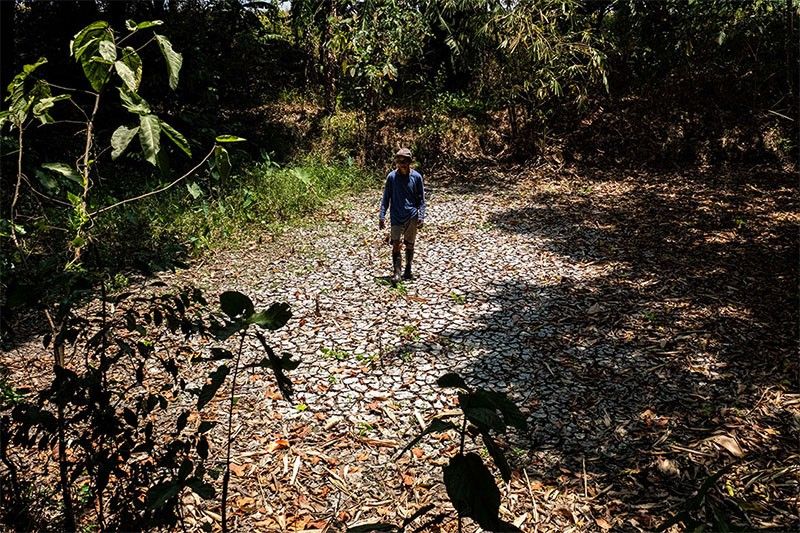
Philippines Most Vulnerable to El Niño in ASEAN, BofA Warns
Bank of America predicts the Philippines will be the hardest-hit ASEAN economy by El Niño, forecasting inflation to average 6.7% this year, the highest among major regional economies. Rising food prices are a significant concern.
This article requires PRO
This article is outside the free access window or is a special report. PRO unlocks it and the full archive.
Related articles
- El Niño Threatens Lower Palay Harvest in Q3 2026
The Philippines' Department of Agriculture warns of a 13.3% drop in palay (unhusked rice) production in Q3 2026 due to El Niño, forecasting 3.25 million MT. The government plans to maintain rice imports and bolster local farmer support to ensure food security.
- Philippines Inflation Cools to 6.2% in July; Gov't Continues Price Stabilization Measures
The Philippines' inflation rate eased to 6.2% in July, marking a third consecutive month of decline, primarily driven by slower price increases in the transport sector. The government vows to continue price stabilization measures through enhanced food security and energy sector reforms.
- No Rice Import Ban Amid El Niño Fears, Philippines Bolsters Local Farmer Support
The Philippines' Department of Agriculture will not ban rice imports despite El Niño concerns, prioritizing buffer stock buildup. Instead, it will bolster support for local farmers through increased palay procurement by the National Food Authority (NFA).
- PH to Keep Rice Imports Open Amid Strong El Niño, DA Assures Local Farmer Support
The Philippines will not impose a ban on rice imports as it braces for the impact of a strong El Niño expected later this year. The Department of Agriculture also announced measures to support local farmers and prevent a drop in farm-gate prices.