General articles are free for 24 hours after publish.
South Korea Faces Difficulties Sending Troops to Hormuz Amid Domestic and International Pressure
South Korea is struggling to respond to a U.S. request for troop deployment to the Strait of Hormuz, facing strong domestic opposition and the risk of deteriorating relations with Iran. Unlike the past deployment to Iraq, there is a lack of legal basis and international support, potentially impacting President Lee Jae-myung's administration.
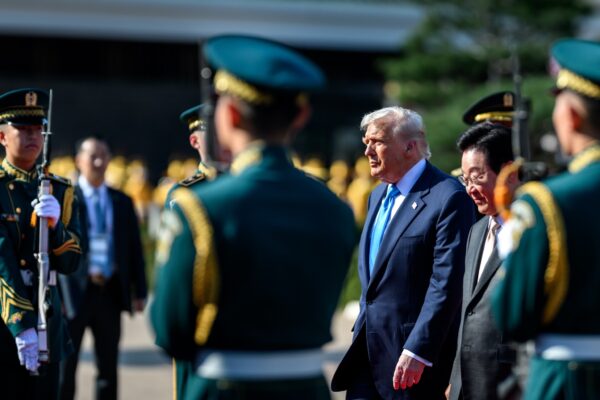
South Korea is facing significant challenges in responding to a U.S. request for troop deployment to the Strait of Hormuz, caught between complex domestic and international pressures. Former President Donald Trump reportedly asked for Seoul's participation in the "denuclearization of the Islamic Republic of Iran," to which the South Korean side responded with "No thanks!" While Seoul has indicated a willingness to consider "minimum measures" to protect its vessels and ensure shipping route safety, it remains reluctant to directly intervene in the conflict or send troops. Historically, South Korea has experience sending troops to support U.S. military operations, notably deploying engineering and medical units to Iraq in 2003. This past deployment was partly aimed at strengthening cooperation with the United States on the North Korean nuclear issue under the Roh Moo-hyun administration. However, the current request for deployment to the Strait of Hormuz differs significantly from that historical context. Firstly, the weak international legal framework is a major concern. While the Iraq War had congressional authorization and UN Security Council Resolution 1441, there is no clear international framework authorizing the use of force against Iran in the current situation. NATO has refused collective military action, and the UK and France are preparing their own multinational missions solely for freedom of navigation. Secondly, warnings from Iran cannot be ignored. The Iranian Foreign Ministry issued a warning in Korean stating that "any other country’s military presence or participation in operations in the Persian Gulf and the Strait of Hormuz can only be regarded as direct support for the party responsible for the aggression and will have serious consequences." This suggests that a South Korean troop deployment could lead to strained relations with Tehran and potentially make South Korean forces a target for retaliation. Furthermore, strong domestic opposition presents a significant hurdle for the Lee administration. Public opposition to the troop deployment to Iraq in the past led to a decline in the Roh administration's approval ratings. With President Lee's administration already facing low approval, an unpopular foreign policy decision could further complicate governance. Recent polls indicate that 55 percent of South Koreans oppose a potential deployment to Hormuz, and over 500 civic and religious groups have held protest rallies. Given these international pressures and domestic backlash, the South Korean government is facing a difficult choice regarding troop deployment to the Strait of Hormuz. President Lee's ability to balance the safety and national interests of his citizens with maintaining relations with an ally like the United States presents an extremely challenging task.
Original source
The Diplomat Indonesia