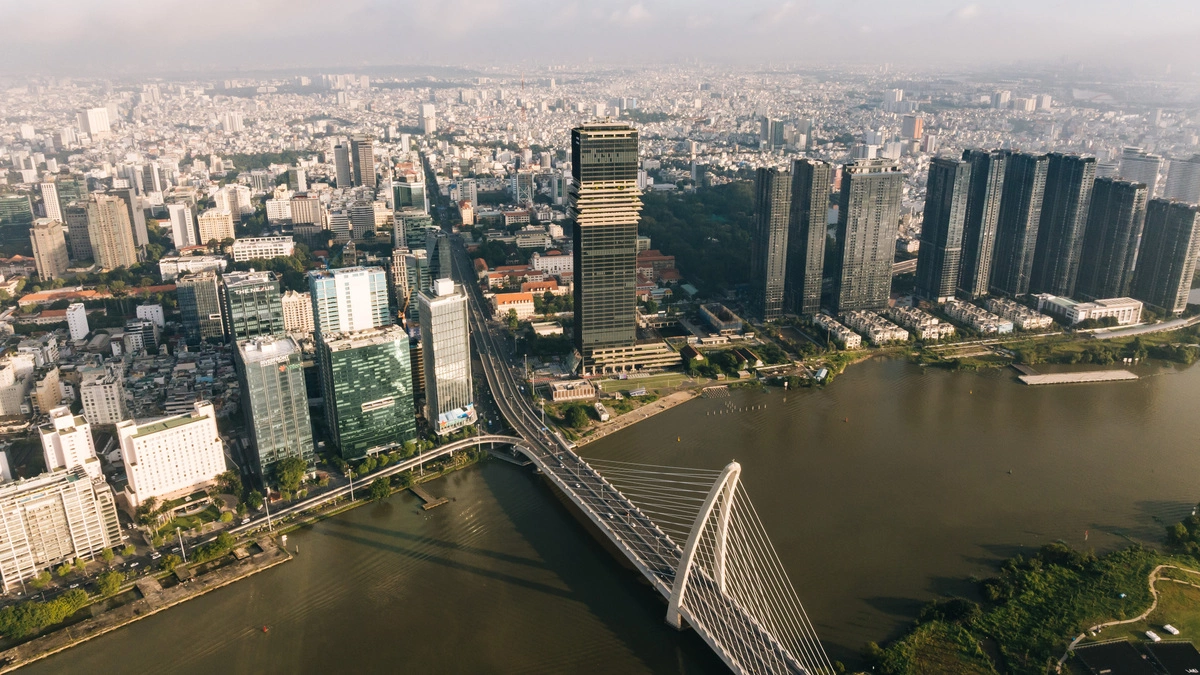
HDBank's Evolution Alongside Ho Chi Minh City's Economic Transformation
Established in 1989, HDBank has evolved from a specialized institution to a versatile financial entity, mirroring Ho Chi Minh City's economic growth. It has supported the city's transition to a market economy and now contributes to its ambition of becoming a regional financial hub.
Ho Chi Minh City, at the forefront of Vietnam's economic development, has witnessed the evolution of its financial institutions alongside its transformation. Among these is HDBank, established in 1989, which has grown in tandem with the city's progress. Born during the early "Doi Moi" (Renovation) period, as Vietnam transitioned from a centrally planned to a market economy, the bank has played an indispensable role in supporting the city's growth and the development of its financial system. HDBank's inception was driven by the increasing demand for capital from businesses and individuals, a need that the traditional state-owned banking system could no longer fully meet amidst the development of economic zones and the surge in foreign direct investment (FDI). Initially focused on financing housing development and manufacturing, HDBank expanded its scope as Ho Chi Minh City shifted from being primarily a production and trade hub to a more open economy. In the 2000s, with the significant advancements in Vietnam's financial market, including the establishment of the Ho Chi Minh Stock Exchange (HoSE), HDBank moved beyond mere lending. It diversified into retail banking, loans for small and medium-sized enterprises (SMEs), and consumer finance through HD SAISON. In 2011, the bank rebranded and, following its merger with DaiABank, solidified its foundation as a versatile commercial bank. Its listing on HoSE in 2018 further deepened its participation in the capital markets. HDBank's growth in scale, from an initial charter capital of VND 3 billion to over VND 50 trillion by the end of 2025, with consolidated total assets exceeding VND 931 trillion, mirrors Ho Chi Minh City's economic expansion. Its high return on equity (ROE) of 25.3% signifies its enhanced financial capabilities and contribution to economic development. Currently, as Ho Chi Minh City aims to become an international financial center, HDBank is entering a new phase, focusing on digitalization, international standard governance, and strengthening its connectivity with regional and global financial markets. This represents the broader trend of Vietnam's financial system evolving from basic credit provision to becoming comprehensive financial institutions offering diverse and advanced services. Source: VnExpress
多角的分析
HDBankの変遷は、ベトナム経済、特にホーチミン市の成長モデルの変化を如実に示している。初期の住宅開発・製造業への融資中心から、市場経済の成熟に伴うリテール、SME、消費者金融、そして資本市場への進出は、経済構造の高度化と金融ニーズの多様化に対応した結果である。ホーチミン市が国際金融センターを目指す中で、HDBankがデジタル化や国際基準への適合を強化することは、ベトナム金融セクター全体の国際競争力向上に不可欠な要素となる。これは、単なる銀行の成長物語に留まらず、ベトナム経済がより複雑でグローバルな金融システムに統合されていく過程の一側面を捉えている。
HDBankの歴史は、ベトナムの金融市場の成長とリスク・リターンの変化を投資家視点で示唆している。1989年設立当初は、高成長初期のベトナム市場への投資機会として、特に国内投資家にとって魅力的な選択肢であった。その後、市場の成熟、HoSE上場、国際的な金融機関の進出など、投資環境は変化したが、HDBankはこれらの変化に適応し、消費者金融やデジタルバンキングといった新たな成長分野を開拓してきた。高いROEは、依然として収益性の高い運用能力を示唆しており、特にベトナム経済の持続的な成長を前提とする長期投資家にとって、引き続き注目すべき銘柄と言える。ただし、国際金融センター化に伴う規制強化や競争激化のリスクも考慮する必要がある。
HDBankの発展は、ホーチミン市の社会経済的変化と密接に結びついている。設立当初、住宅開発への融資は、都市化が進む中で多くの市民の住居確保に貢献した。その後、消費者金融の拡大は、人々の消費生活を豊かにし、経済活動を活性化させた。また、中小企業への支援は、雇用創ちや地域経済の活性化に寄与している。HDBankがデジタル化を進めることは、金融サービスへのアクセスを向上させ、特に若年層や地方の住民にとって利便性を高める可能性がある。しかし、金融包摂の観点からは、デジタルデバイドや高齢者への配慮も同時に求められるだろう。同行の地域社会への貢献活動も、企業市民としての役割を示す重要な側面である。
HDBankの歴史は、ホーチミン市民の生活水準向上と経済参加の拡大の物語でもある。設立当初、住宅ローンは多くの市民がマイホームを持つ夢を叶える手助けとなった。その後、HD SAISONのような消費者金融の普及は、冷蔵庫や洗濯機といった家電製品の購入を容易にし、生活の質を高めた。また、中小企業への融資は、多くの市民が働く場を生み出し、地域経済を支えてきた。HDBankがデジタルバンキングに注力することは、特に若い世代にとって、より迅速かつ便利な金融サービスへのアクセスを意味する。しかし、高齢者やテクノロジーに不慣れな層にとっては、対面サービスや従来の窓口の維持が依然として重要であり、この両者のバランスが市民生活に影響を与えるだろう。
背景・歴史的文脈
HDBankの歩みは、ベトナムの「ドイモイ(刷新)」政策以降の経済発展と軌を一にする。1986年に開始されたドイモイ政策は、計画経済から市場経済への移行、外資導入、私有経済の奨励を柱とし、ベトナム経済を劇的に変化させた。特にホーチミン市は、その地理的優位性と経済的ポテンシャルから、改革開放の最前線となり、多くの外国投資を呼び込んだ。1989年設立のHDBankは、こうした市場経済化の波に乗り、当初は住宅開発という特定分野に特化したが、都市の経済構造が多様化するにつれて、リテール、消費者金融、資本市場へと事業を拡大。これは、ベトナム金融セクターが、単なる資金仲介から、より複雑な金融サービスを提供する総合金融機関へと進化する過程を象徴している。ホーチミン市が国際金融センターを目指すという近年の動きは、この金融セクターの発展をさらに加速させる政策的後押しを受けている。
原文ソース
VnExpress