General articles are free for 24 hours after publish.
Indonesian Garment Exports Could Surge by $2 Billion Through Operational Excellence
A new report by Vector Consulting Group suggests Indonesia's garment manufacturing sector can boost exports by up to $2 billion by strengthening operational execution. The analysis highlights that shop floor efficiency, not just labor costs, will be key to future growth.
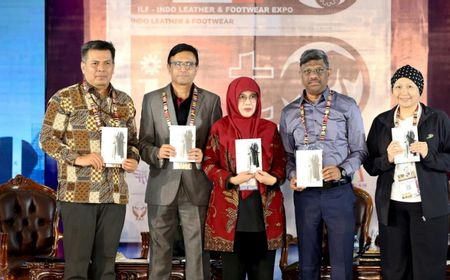
JAKARTA - Indonesia has the potential to increase garment exports by up to US$2 billion through strengthening operational execution in the garment manufacturing sector, based on the latest report of the Vector Consulting Group developed jointly with the Indonesian Garment and Textile Association (AGTI). The report titled "Unlocking the $2 Billion Opportunity: How Operational Execution Can Revive Indonesia's Garment Industry" was launched at the Indo Garment & Textile (IGT) Expo in Jakarta. This report offers a new perspective on the competitiveness of the Indonesian garment industry, highlighting that the next phase of industry growth will not only be determined by labor costs, but also by operational excellence on the shop floor. Indonesia's garment exports were relatively stagnant at around US$8 billion-9 billion for almost a decade. During the same period, other countries such as Vietnam, Bangladesh, and Cambodia continued to expand their share in global apparel exports. The report identifies instability in operational execution as one of the biggest obstacles in improving plant performance, while highlighting five operational disciplines that differentiate high-performing garment manufacturers. The research also identifies uncertainty in the release of fabric purchase orders as one of the important factors affecting overall competitiveness. "The Indonesian garment industry has entered an important stage in its development, where increasing competitiveness requires a stronger focus on operational excellence. This research provides practical insights for industry players regarding various operational challenges that affect productivity and export performance. We welcome the collaboration with Vector Consulting Group and hope that the garment industry in Indonesia can benefit from the experience and expertise they have," said Anne Patricia Sutanto, Chairman of the Association of Garment and Textile Indonesia (AGTI), quoted Thursday, August 6. "For years, labor costs have dominated the discussion on competitiveness. However, our research shows that the greater opportunities lie in improving operational execution. Manufacturers who are able to build stability through disciplined shop floor practices have the potential to increase sewing-line efficiency by 20-30 percent, achieve up to 90 percent On-Time In-Full (OTIF) performance, reduce customer lead time by 20-30 percent, increase operating profit by around 20 percent, and reduce working capital held in inventory by 20-30 percent. This report offers a practical roadmap to help Indonesian garment manufacturers open up opportunities to grow in the future," said P. Senthilkumar, Senior Partner, Vector Consulting Group. "This report is based on the reality of daily operations in the Indonesian textile and garment industry. This report outlines the challenges faced by manufacturers, fabric suppliers, exporters, and industry leaders every day, from planning and production to delivery performance and profits. We believe that business actors throughout the ecosystem will immediately realize the various issues raised because they reflect the reality they face every day. More importantly, this report not only identifies these issues, but also offers a practical approach focused on implementation, which can help this industry strengthen its global competitiveness." Rajesh Inamdar, Country Head - Indonesia, Vector Consulting Group, added. The report recommends four priority interventions to improve operational performance, namely cross-functional collaboration to ensure the timely release of fabric purchase orders, the implementation of style-level capacity planning, strengthening supervisor control, and the reconfiguration of the fabric supply chain to improve responsiveness. The report from the Vector Consulting Group also concluded that strengthening operational excellence can help Indonesian garment manufacturers increase their competitiveness in terms of costs while strengthening reliability in meeting delivery schedules.
Original source
VOI English