Vietnam's Youth Innovate Historical Preservation Through Artifacts and Storytelling
Technology
2026年7月3日
5
Nhan Dan

Vietnam's Youth Innovate Historical Preservation Through Artifacts and Storytelling

AI サマリー

Young Vietnamese are actively preserving historical values through innovative methods, including collecting war artifacts and creating projects that highlight the lives of post-war soldiers. These efforts aim to instill the value of peace and national responsibility in the next generation.

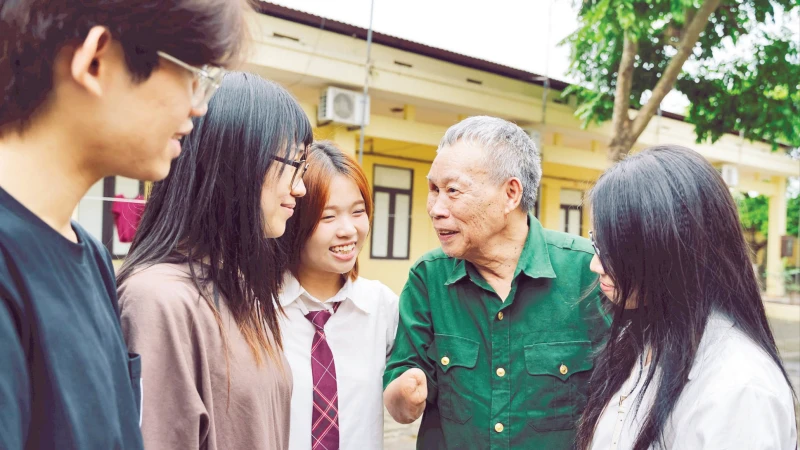
As the years of war recede into the past, the importance of disseminating historical values is increasingly emphasized in Vietnam. Today's youth are actively engaging with history through creative and accessible methods, moving beyond traditional textbooks and classroom lessons. Mai Phu Hao, born in 2008 in An Bien commune, An Giang province, has collected and preserved over 700 war artifacts spanning various historical periods. For Hao, items such as helmets, uniforms, and time-worn objects are not mere relics but vessels carrying stories and imprints of bygone eras. Hao's journey into artifact collecting began in 2017 when, as a fourth-grader, he became curious about the equipment used by Vietnamese soldiers after hearing war stories. Among his prized possessions is an old newspaper detailing the passing of President Ho Chi Minh, a memento that not only marks a significant moment in national history but also holds personal meaning, as Ho Chi Minh remains a role model for Hao. Acquiring his collection involved extensive research, travel, and connecting with like-minded individuals. Despite challenges such as lost artifacts and unclear origins, Hao's passion for history has fueled his dedication over many years. He has also taught himself to restore damaged items, including helmets and uniforms, some of which have been displayed in local museums and war memorials. Hao views artifact preservation as a way to safeguard the narratives of sacrifice and struggle of previous generations. He hopes that when young people encounter these artifacts, they will see them as a "historical mirror," reminding them that peace was hard-won and fostering a greater appreciation for the past and a stronger sense of responsibility towards the nation. Beyond artifact preservation, many young individuals are choosing to recount historical narratives from their generational perspective. The "Chuyện thời bình" (Stories of Peace) project by a group of students from the Academy of Journalism and Communication exemplifies this approach. Instead of focusing on war memories or familiar historical milestones, the project delves into the lives of soldiers in the post-war era. Their stories about work, family, and continued contributions offer young people a more relatable perspective on history. Van Gia Khanh, the project leader, stated that the group aims to tell more about the people who made history, rather than just events or numbers. They hope that through these everyday slices of life, young people will better understand and cherish the values upheld and passed down by previous generations. The project features three main content streams: "My Peaceful Times," highlighting former soldiers' continued contributions to the nation; "Scars of Time," documenting the experiences of wounded and sick soldiers receiving care; and "Companions," portraying the healthcare workers dedicated to caring for these veterans, thereby continuing the narrative of gratitude in peacetime. Implementing the project presented numerous challenges, including sourcing materials and connecting with individuals across different provinces. The group also had to devise creative ways to make historical stories more engaging for a young audience. Consequently, they opted for digital archives, photobooks, exhibitions, and interactive experiences to bring these stories to life, offering fresh perspectives on the lives of post-war soldiers. Khanh expressed his deep emotion at witnessing the unwavering spirit of the "Uncle Ho's soldiers." He noted that while the ideal during wartime was national defense, it has now evolved into a aspiration for national construction, peace maintenance, and community contribution. The optimism, resilience, and patriotism of the older generation serve as a significant source of inspiration and motivation for the students. Alongside "Chuyện thời bình," other initiatives such as "Gen Z and Vietnamese History," "Star of the Helmet," and "Patriotism in the New Era" demonstrate how young people are conveying history and national spirit through modern formats. These efforts affirm that history continues to be preserved and disseminated today, reflecting the gratitude, national pride, and awareness of the value of peace among the younger generation.

多角的分析

経済的影響

この記事は直接的な経済活動を扱っていないが、歴史教育や文化振興への投資は、長期的に見て国民のアイデンティティ形成や社会の安定に寄与し、間接的に経済発展の基盤を強化すると考えられる。特に、若者が歴史に関心を持つことは、将来的な国内消費や文化産業の発展につながる可能性を秘めている。

投資家心理

投資家にとって、この記事は直接的な投資機会を示すものではない。しかし、ベトナムの若者が歴史や文化に深い関心を示す傾向は、国内市場の成熟度や国民の価値観の変化を示唆する。これは、長期的な視点で見れば、教育、文化、コンテンツ産業など、国民のアイデンティティや生活様式に関連する分野への投資テーマとなり得る。

社会的影響

ベトナム社会において、歴史の継承は世代間の断絶を埋め、国民統合を強化する上で重要な役割を果たす。マイ・フー・ハオさんのような個人コレクターや「Chuyện thời bình」のような学生プロジェクトは、公式な歴史教育だけでは伝えきれない、より個人的で感情的な側面から歴史を共有しようとしている。これは、特に若い世代が過去の出来事やその意味を深く理解し、平和の尊さを実感する上で効果的である。また、戦後兵士の物語に焦点を当てることは、社会が彼らの貢献を再認識し、敬意を払う機会を提供する。

市民の声

ベトナム市民、特に若者にとって、歴史は単なる過去の出来事ではなく、現在の自分たちのアイデンティティや未来を形作る重要な要素となっている。マイ・フー・ハオさんのように、個人の情熱を通じて歴史遺物を収集・保存する活動は、共有された過去への深い愛着と、それを次世代に伝えたいという強い意志の表れである。「Chuyện thời bình」のようなプロジェクトは、戦後世代の経験や貢献に光を当て、より人間的で共感しやすい形で歴史を共有することで、若者の歴史への関心を高めている。これは、平和の価値を再認識し、国家への貢献意識を育む上で重要な意味を持つ。

背景・歴史的文脈

ベトナムにおける歴史の継承は、独立戦争やベトナム戦争といった激動の時代を経て、国民統合と国家建設の重要な柱となってきた。特に、ホーチミン主席の指導の下で展開された抗米救国戦争の記憶は、現代ベトナムのアイデンティティの根幹をなしている。冷戦終結後、経済発展とともに、歴史教育は単なる愛国心の鼓舞から、より多角的で現代的なアプローチへと変化しつつある。近年、SNSの普及やグローバル化の影響を受け、若者世代は伝統的な歴史観に加え、多様な情報源から歴史を学んでいる。本記事で紹介される若者たちの活動は、こうした変化の中で、歴史をより身近で、共感しやすい形で次世代に伝えようとする、現代ベトナムにおける歴史継承の新しい潮流を示している。

原文ソース

Nhan Dan

原文を読む