Philippines Weighs Fuel Tax Holiday Extension to Ease Consumer Burden
The Philippine government is considering extending the three-month suspension of excise taxes on kerosene and liquefied petroleum gas (LPG). The decision hinges on global oil price trends and their impact on consumers.
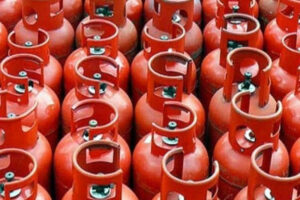
THE Development Budget Coordination Committee (DBCC) will submit its recommendation on whether to extend the suspension of excise taxes on kerosene and liquefied petroleum gas (LPG) beyond the initial three-month period, the Department of Finance said Tuesday. “Right now it is being discussed with the technical working group of the DBCC,” Finance Secretary Frederick D. Go told reporters. “I always feel we have to be data driven … we have to look at the cost of oil today and the cost of oil projected in the next three months.” Under the law, Mr. Go said the DBCC can recommend to the President a reduction in excise taxes if the average Dubai crude oil price exceeds $80 per barrel. “The price of crude today, just to be clear, is now below $80. So what is more important is what the technical working group believes the price of Dubai crude will be in the next one to three months. So that’s the key to the decision,” he said. “July 17 is the expiration date. Definitely I expect it will come up before the DBCC in the next few days,” he added. The Philippines was placed under a state of energy emergency for one year following the surge in global oil prices triggered by the fighting in the Persian Gulf. To cushion the impact on consumers, the government suspended excise taxes on kerosene and LPG for three months, starting April 17. According to the recently revised DBCC fiscal program, revenue projections were adjusted downward to P4.81 trillion in 2026 from P4.82 trillion previously. At the end of June, the Bureau of Customs posted a 7.2% year-on-year increase in collections to P491.75 billion. The total exceeded the target for the period by 2.4%. Meanwhile, the Bureau of Internal Revenue collected P1.434 trillion in gross revenue in the first five months, up 5.49%. — Justine Irish D. Tabile
多角的分析
フィリピン政府による灯油とLPGの物品税・消費税猶予延長の検討は、インフレ抑制と家計負担軽減という短期的な目標と、財政収入の確保という長期的な目標との間でバランスを取る必要性を示唆しています。原油価格が80ドルを下回ったとはいえ、今後の価格変動リスクは依然として存在し、DBCCの決定は、経済の安定性と国民生活への影響を総合的に評価した結果となるでしょう。過去の類似措置では、歳入減を補うために他の歳出削減や増税が検討されるケースもあり、財政赤字の動向も注視が必要です。
投資家にとって、この猶予措置の延長は、インフレ圧力を一時的に緩和し、消費者の購買力を支える可能性があります。しかし、政府の財政収入への影響は、長期的な財政健全性への懸念につながりかねません。特に、インフラ投資や社会保障プログラムへの財政支出に影響が出る場合、経済成長の潜在力に影響を与える可能性があります。エネルギー関連企業にとっては、価格設定や収益予測に不確実性が生じる要因となります。
灯油とLPGの課税猶予は、特に低所得者層にとって、日々の生活費、特に調理や移動にかかる費用に直接的な影響を与えます。猶予が延長されれば、家計の節約につながり、食料品など他の必需品への支出に回す余裕が生まれる可能性があります。一方で、この措置が財政赤字を悪化させる場合、将来的に公共サービスや社会福祉の低下を招くリスクも懸念されます。フィリピンでは、エネルギー価格の変動が、地方のコミュニティにおける生活必需品の価格にも連鎖的に影響を与えるため、その影響は広範囲に及びます。
マニラ首都圏に住むマリアさんは、「毎日の料理に使うガス代が少しでも安くなるのは助かります。でも、政府が税金を減らすと、他の必要なサービスへの予算が足りなくなるんじゃないかと心配です。特に、交通渋滞がひどいので、ガソリン代も気になります。」と語ります。地方都市に住むフアンさんは、「私たちの地域では、灯油は暖房や照明にも使うので、価格が安定するのは本当にありがたいです。でも、政府の財政が大丈夫なのか、将来的に私たちの生活にどう影響するのか、不安がないわけではありません。」と話します。
背景・歴史的文脈
フィリピンは、エネルギー輸入への依存度が高く、国際的な原油価格の変動に脆弱な経済構造を持っています。特に、中東情勢の緊迫化は、過去にもエネルギー価格の高騰を引き起こし、国民生活に大きな影響を与えてきました。2022年には、国際的な原油価格の急騰を受けて、当時のドミンゲス財務長官が、エネルギー関連税の猶予措置を検討しましたが、最終的には実施されませんでした。今回、3ヶ月間の猶予措置が実施された背景には、インフレ抑制と国民負担軽減への強い要請があり、その延長の是非は、原油価格の動向だけでなく、政府の財政状況と国民の生活実感との間で、常に綱引きが続いています。
原文ソース
BusinessWorld Economy