General articles are free for 24 hours after publish.
Cambodia Holds Training on Gender and Eye Health for Officials
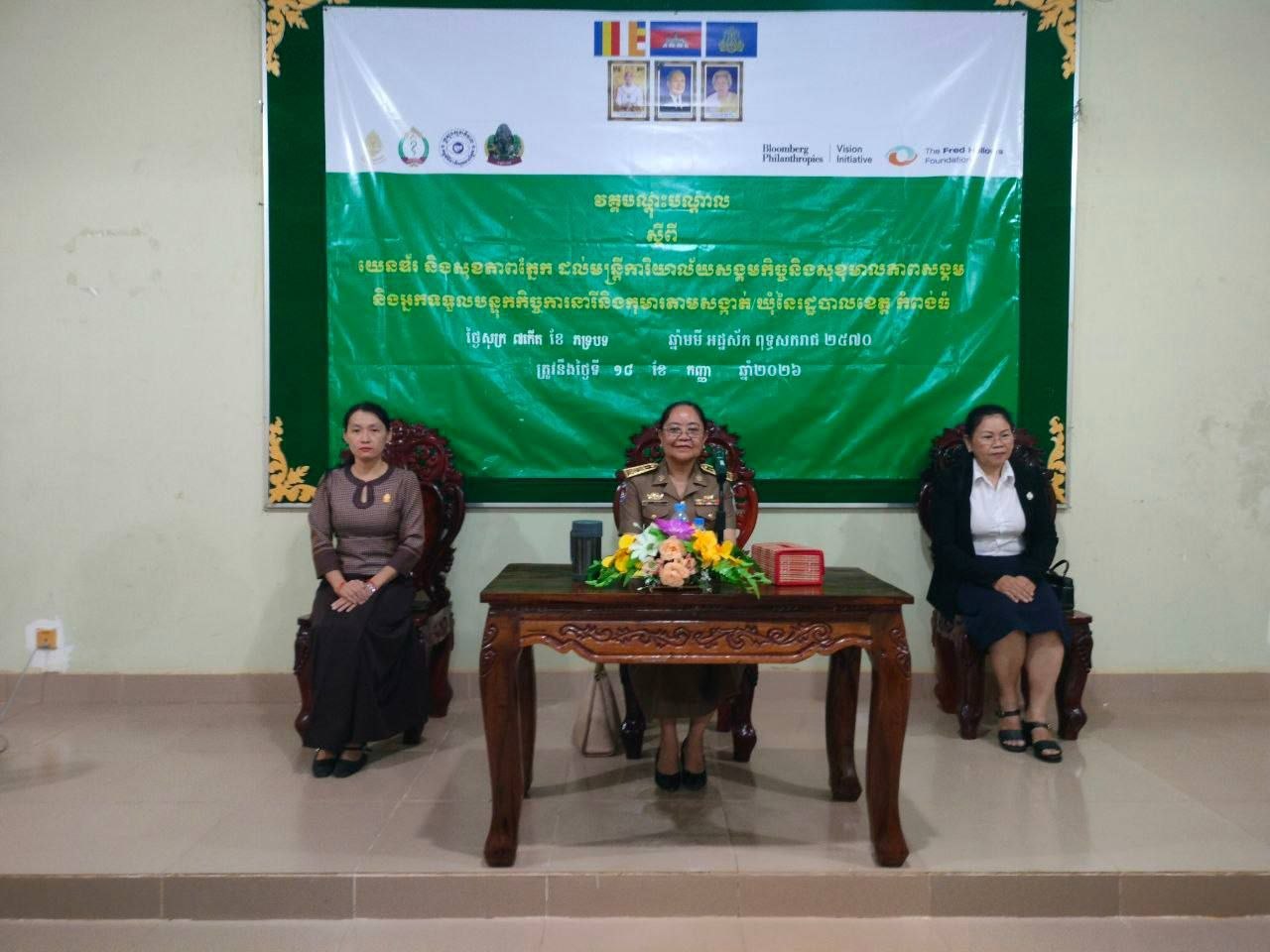
A training session on gender and eye health was held in Kampong Cham province, Cambodia. Officials from social welfare departments and those responsible for women and children's affairs participated, discussing the impact of digital devices on eyesight and its connection to gender equality and inclusion.
A training session on gender and eye health was organized by the Kampong Cham Provincial Department of Women's Affairs, in collaboration with the Department of Women and Health of the Ministry of Women's Affairs and the Provincial Health Department, with support from the Fred Hollows Foundation. The training was attended by 40 participants (38 women), including officials from the Social Affairs and Welfare Office and those responsible for women and children's affairs in communes and villages. Presiding over the event was Ms. Lum Kunthary, Deputy Governor of Kampong Cham Province, representing H.E. Noun Pharat, Governor of Kampong Cham Provincial Administration. Ms. Kunthary emphasized that eye health is a crucial component of human well-being and quality of life, as eyes are vital organs for daily living, education, work, communication, and social participation. She noted that in the current era of rapid technological advancement, the use of electronic devices like mobile phones, computers, and tablets has become an integral part of daily life. While these devices offer numerous benefits, prolonged and continuous screen use can negatively impact eyesight, leading to symptoms such as dry eyes, eye strain, blurred vision, and other vision problems. The Deputy Governor further stated that health education, promotion, and the care, examination, and treatment of eye health must go hand-in-hand with attention to gender equality and inclusion, ensuring no one is left behind. This aligns with the vision and policies of the Cambodian government, which is actively prioritizing the health and well-being of its citizens, especially women and girls, as well as vulnerable groups and people with disabilities, to ensure their active and equal participation in all aspects of socio-economic development. Ms. Kunthary expressed her hope that through this training, participants would gain enhanced knowledge and understanding of eye health, along with proper methods for eye care and protection. She urged them to disseminate the knowledge acquired to their communities. She also advised that if individuals experience symptoms like eye pain, blurred vision, dimness, or changes in vision, they should not overlook or delay seeking timely examination and consultation from experts or qualified eye health services to ensure early detection and appropriate care or treatment.
Original source
AKP Khmer