General articles are free for 24 hours after publish.
NIA Assures Sufficient Water Supply Amid Approaching Strong El Niño
The National Irrigation Authority (NIA) has assured sufficient irrigation water supply despite the approaching strong El Niño phenomenon. The agency will maintain a double dry cropping calendar to maximize the dry season.
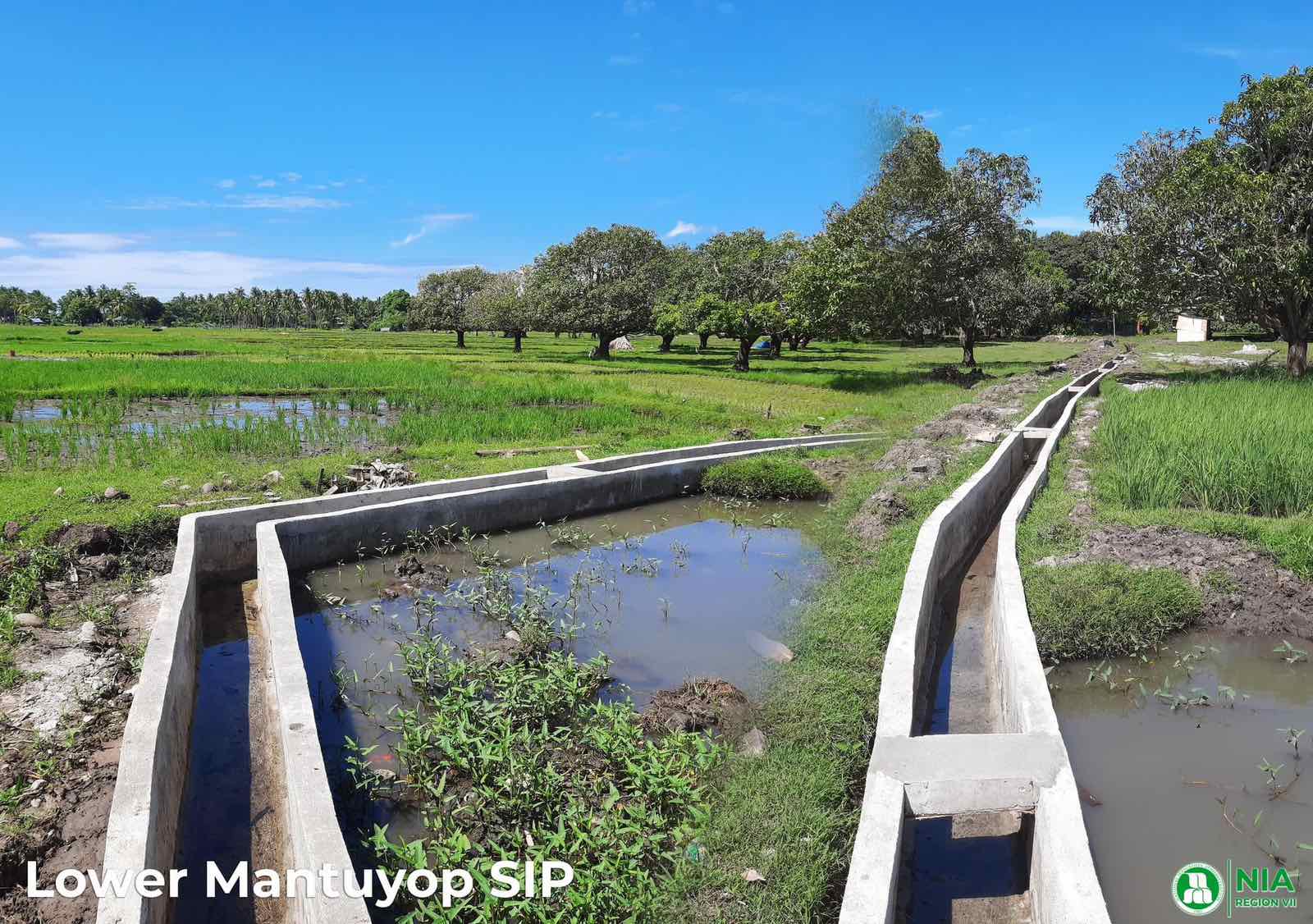
The National Irrigation Authority (NIA) has assured the public that sufficient irrigation water is available as a strong El Niño phenomenon approaches the Philippines. The agency plans to maintain a double dry cropping calendar to maximize the benefits of the dry season. NIA Administrator Eduardo Guillen explained in an interview that the agency actually prefers sunny weather, which is why it is implementing double dry cropping. This new system involves shifting the cropping schedule to around October for a January harvest, followed by another planting in March for a June harvest. This differs from the previous wet and dry cropping calendar. Guillen highlighted that sunny weather promotes photosynthesis, leading to higher crop yields, but stressed the crucial need for adequate water supply to sustain crop growth. PAGASA projects that the effects of the strong El Niño will be felt from the last quarter of this year (October-December) and will persist until the second quarter of 2027. NIA's preparation strategy includes water storage, with high dams like Magat Dam in Isabela being vital. Magat Dam is currently almost full and is expected to supply irrigation to 90,000 hectares of farmland. Pantabangan Dam in Nueva Ecija, which supplies water to five areas in Luzon, is also nearly full and capable of irrigating around 120,000 hectares. In coordination with the Department of Agriculture (DA), NIA is identifying areas likely to face water shortages. For these areas, the agency proposes planting high-value crops such as corn and mung beans instead of rice, which requires substantial water. Guillen emphasized that interagency coordination is critical to ensure fields remain productive even with limited irrigation. NIA is also collaborating with agencies like the Department of Labor and Employment and the Department of Social Welfare and Development for additional intervention measures during the El Niño period. NIA further assured that irrigation shortages will not lead to food price increases. The agency is promoting vegetable planting along irrigation canals, a program that has generated P1.6 billion in extra income for farmers nationwide from 2023 to 2025. Guillen noted that if farmers and irrigators' associations actively engage in planting along the vast network of irrigation canals, it would significantly contribute to food security and farmer welfare. Information Source: GMA News Philippines
Original source
GMA News Philippines