General articles are free for 24 hours after publish.
El Niño Intensifies, Posing Severe Water Scarcity and Heat Risks for Vietnam
Vietnam is bracing for one of the strongest El Niño events in 40 years, with predictions of record high temperatures, severe droughts, and water shortages from late 2026 into early 2027. Coastal South Central Vietnam, the Central Highlands, and the Southern regions are expected to be most severely impacted.
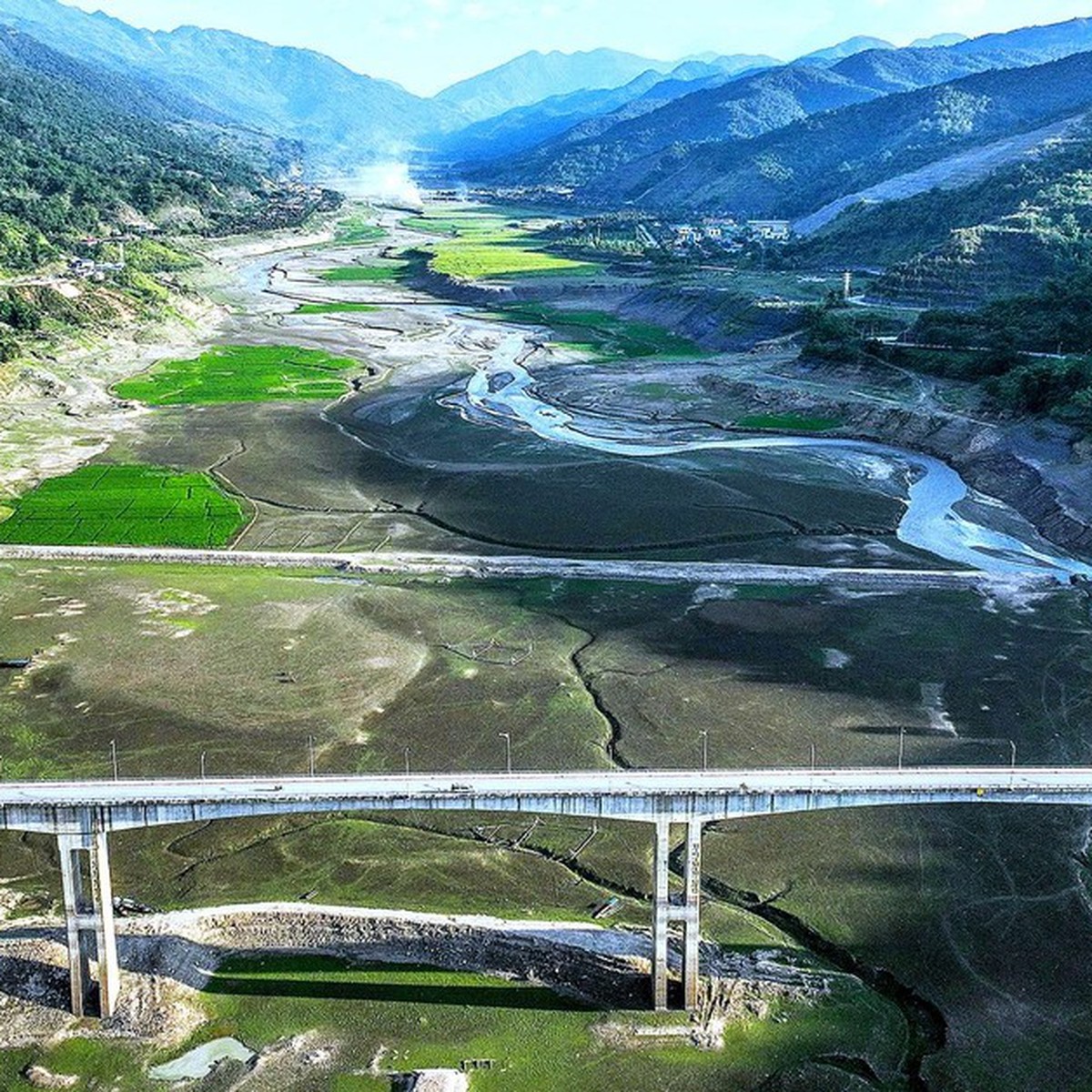
Vietnam is currently experiencing the impact of one of the strongest El Niño phenomena on record, with its effects expected to become even more pronounced in the coming months. According to the National Center for Hydro-Meteorological Forecasting, El Niño is projected to reach its peak intensity from late 2026 to early 2027 and maintain its strong state until around mid-2027. This phenomenon is anticipated to increase the risks of higher temperatures, intense heatwaves, droughts, and water scarcity, particularly during the dry season. The South Central Coast, the Central Highlands, and the Southern regions are identified as areas with very high exposure to these risks. Mr. Ngo Manh Ha, Deputy Director of the Department of Water Resources Management (Ministry of Agriculture and Rural Development), noted that since May 2026, water levels in most rivers and streams have begun to fall below average, showing the influence of El Niño. From June to August 2026, the flow rates in 12 major river basins decreased by 10-75% compared to the multi-year average, with the impact becoming more evident. Ha stated that the current trend of water scarcity is similar to the situations in 2015 and 2019, years that were significantly affected by El Niño. From the end of the flood season, there is an increasing risk of water depletion in water sources and reservoirs across major river basins. It is predicted that 74% of hydropower reservoirs will face a water shortage of 15-80%, and 40% of irrigation reservoirs will be short by 20-87%. Combined with reduced dry-season flows, a water deficit of 15-78% below the multi-year average could further threaten national water security. In the Northern and North Central regions, approximately 29 million people are at risk of water shortages for daily life, agriculture, and economic activities due to declining river flows and water levels, as well as increased saltwater intrusion. Around 500,000 hectares of agricultural land in the Red River Delta area could be affected. The stability of power supply may also be impacted, as many hydropower reservoirs risk not accumulating sufficient water. The South Central Coastal region is considered vulnerable due to its short, steep terrain and limited water storage and regulation infrastructure. Prolonged dry seasons and significant flow reductions pose a threat to water supply in major cities like Da Nang. Agricultural water scarcity is also a high risk, potentially affecting key economic zones. In the Central Highlands, agricultural production, especially for perennial industrial crops outside irrigation coverage, is expected to be significantly impacted. The Southeast region faces the highest water stress due to high demand and its critical role in urban water supply. The Mekong River Delta is the most sensitive to El Niño, relying heavily on upstream Mekong River flows with a lack of large regulating reservoirs. Reduced river flows and saltwater intrusion threaten urban water supply and agricultural production. The World Meteorological Organization (WMO) has warned that the 2026-2027 El Niño is likely to intensify and persist until February 2027. However, the WMO also noted that a strong El Niño does not automatically mean the Mekong Delta will experience severe salinization. Source: The Saigon Times
Original source
The Saigon Times