Vietnam Charts New Course for Next-Gen FDI, Focusing on High-Tech and Value-Added Sectors
Economy
2026年7月9日
7
VietnamPlus English
Relations
🇻🇳Vietnam🇨🇳China

Vietnam Charts New Course for Next-Gen FDI, Focusing on High-Tech and Value-Added Sectors

AI サマリー

Vietnam is shifting its strategy from labor-intensive industries to attracting next-generation Foreign Direct Investment (FDI) in high-tech and high-value-added sectors. FDI surged 61% in the first half of 2026, strengthening the foundation for economic growth. Enhancing domestic industry linkages and improving the investment environment are key future challenges.

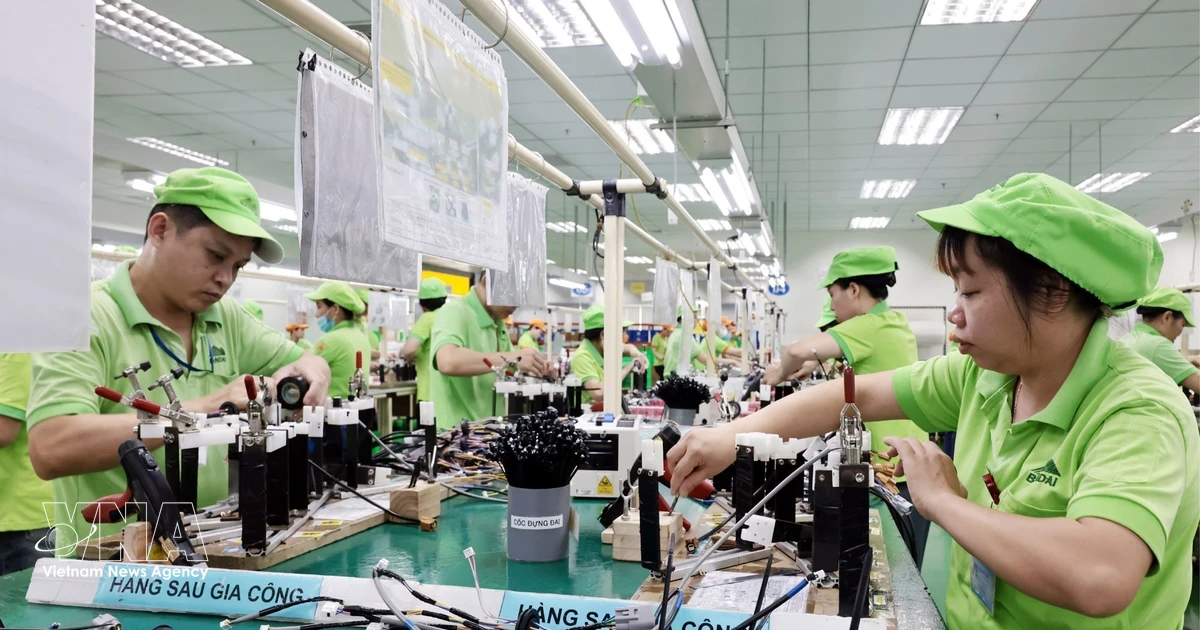
Ho Chi Minh City, a city renowned for its resilience, dynamism, and pioneering spirit over the past 50 years, is actively reshaping its appeal on the global economic map. The city, and indeed Vietnam as a whole, is making a significant strategic shift from labor-intensive industries to attracting next-generation Foreign Direct Investment (FDI), with a particular focus on high-technology and high-value-added sectors. As of June 30, 2026, Vietnam's total registered FDI, encompassing new capital, additional investments, and capital contributions/share purchases, surged by 61% year-on-year to reach $34.65 billion. This robust performance underscores the Vietnamese Party's consistent policy of viewing the foreign-invested sector as an integral component of the national economy, encouraging its long-term development and ensuring equitable treatment alongside domestic sectors. This strategic pivot is not merely about attracting capital but about enhancing the quality of investment. Cooperation agreements have been signed between businesses from Guangxi, China, and Vietnam's Quang Ninh province, targeting areas such as smart border gate development, logistics infrastructure, agricultural and forestry product trade, cross-border cultural tourism, and testing and inspection services. These initiatives aim to strengthen connectivity between Guangxi's industrial and supply chains and those of Vietnam. To maintain its competitive edge and improve the quality of capital inflows, Vietnam recognizes the need to go beyond just improving the investment environment. Essential steps include developing infrastructure, strengthening domestic enterprises, expanding capital markets, and promoting substantive linkages between FDI and domestic sectors. The government aims to translate reform policies into tangible projects, products, jobs, and productivity gains by streamlining procedures, ensuring transparent access to land and capital, and fostering a stable, predictable business environment. Vietnam is also actively participating in international forums and exhibitions, fostering deeper cooperation with regions like Sverdlovsk, a major industrial center in Russia. Roadshows and promotional events are being planned, including a pilot event in Shanghai to introduce Vietnamese specialty coffee and gauge market interest. The demand for Korean food in Vietnam continues to grow, positioning the country as a strategic market for South Korea's food export expansion into ASEAN. In terms of trade, Vietnam recorded exports of $266.5 billion and imports of $283.2 billion in the first half of 2026, resulting in a trade deficit of approximately $16.7 billion. However, the successful conclusion of the Vietnam-EFTA Free Trade Agreement, after more than a decade of negotiations, signals a strong commitment to an open, transparent, and rules-based international trading system, promoting growth and prosperity. Furthermore, Vietnamese companies are establishing new footholds in Kyrgyzstan, leveraging its special financial investment territory to structure capital and manage supply chains. Domestic infrastructure development is also progressing, with significant lengths of national highways being built and upgraded. However, sophisticated smuggling and illegal trade activities remain a challenge, with authorities initiating legal proceedings against numerous cases. In the tourism sector, Khanh Hoa province is emerging as a leading destination, particularly for international visitors. However, there is a recognized need for more comprehensive planning and development in night-time tourism to fully exploit its potential. While exports of wood and wood products reached a record $17.2 billion in 2025, exports to the UK, for instance, represent a significant area for future growth. Vietnam is strategically navigating its economic future by concurrently enhancing its FDI attraction strategy and strengthening its domestic economic foundations, aiming for higher economic sophistication and improved international competitiveness.

多角的分析

経済的影響

ベトナム経済は、伝統的な労働集約型産業から脱却し、ハイテク・高付加価値分野へのFDI誘致へと質的な転換を図っている。これは、グローバルサプライチェーンの再編や技術革新の進展といった世界的な潮流に対応し、持続的な経済成長を目指す戦略である。2026年上半期のFDI61%増は、この戦略が一定の成果を上げ始めていることを示唆する。しかし、国内産業の競争力強化、インフラ整備、資本市場の深化といった構造的な課題への対応が、今後のFDIの質と量を左右する鍵となる。特に、FDIと国内産業との連携強化は、技術移転やイノベーション促進の観点から極めて重要であり、国内企業の国際競争力向上に繋がる可能性がある。

投資家心理

ベトナムのFDI戦略転換は、投資家にとって新たな機会とリスクの両方をもたらす。ハイテク・高付加価値分野への投資は、より高いリターンを期待できる一方で、技術力や人材育成、知的財産保護といった新たなリスク要因を伴う。投資環境の改善、特に手続きの透明性向上や予測可能性の確保は、海外からの投資を呼び込む上で不可欠である。また、国内産業との連携強化は、ローカルパートナーシップの構築やサプライチェーンの安定化に寄与する可能性があり、投資家はこれらの動向を注視する必要がある。ベトナム・EFTA間のFTA締結は、貿易・投資環境のさらなる安定化への期待を高める要因となる。

社会的影響

ベトナムのFDI戦略転換は、社会全体に広範な影響を与える。ハイテク産業へのシフトは、より高度なスキルを持つ労働者の需要を高め、教育・職業訓練システムの変革を促す可能性がある。一方で、従来の労働集約型産業に従事していた労働者の再教育や、地域間の所得格差拡大といった課題も生じうる。また、スマート税関開発や物流インフラの強化は、国民生活の利便性向上に繋がる一方で、デジタルデバイドの解消や、サイバーセキュリティ対策といった新たな社会課題への対応も求められる。密輸や違法物品取引の巧妙化は、社会の安全・安心を脅かす要因であり、法執行機関の能力強化が不可欠となる。

市民の声

ベトナム国民への真の影響は、雇用の質と機会の変化に表れるだろう。ハイテク産業へのシフトは、より高賃金で安定した雇用を生み出す可能性があるが、そのためには高度な専門知識やスキルが求められる。地方の若者が都市部での新たな雇用機会を求める動きが加速する一方、スキルを持たない労働者は職を失うリスクに直面するかもしれない。また、インフラ整備が進むことで、物流コストの低下や移動の利便性向上といった恩恵を受ける地域も出てくるだろう。しかし、経済成長の恩恵が地域間で均等に分配されるかは不透明であり、社会的な不平等の拡大が懸念される。

背景・歴史的文脈

ベトナムは、1986年のドイモイ(刷新)政策以降、計画経済から市場経済への移行を進め、外国からの投資を積極的に誘致してきた。当初は、安価な労働力を活かした労働集約型産業が中心だったが、経済成長と共に、より高度な技術や付加価値を求めるようになった。中国との経済関係の緊密さから、サプライチェーンの多様化を目指す国際的な動きも、ベトナムの戦略転換を後押ししている。近年、ベトナム共産党は、持続可能な開発と国際競争力の強化を目指し、FDIの質的向上を重視する方針を打ち出している。

原文ソース

VietnamPlus English

原文を読む