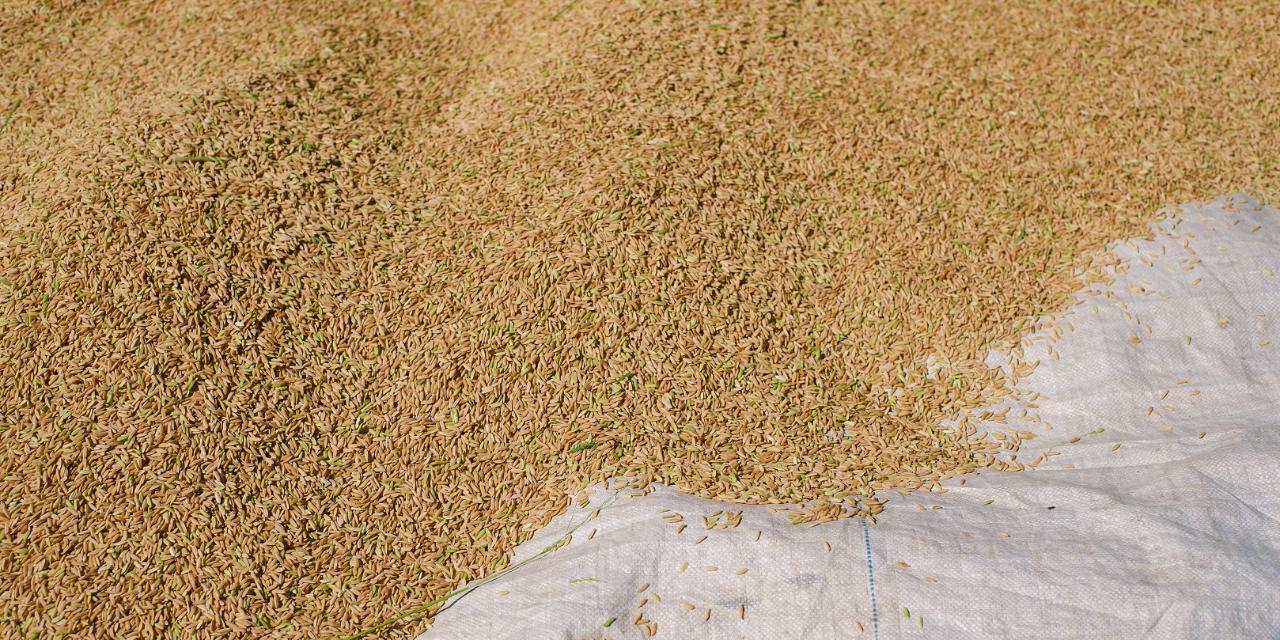
Philippines Raises Palay Buying Price, Halts Rice Imports in Iloilo to Aid Farmers
The Philippines' Department of Agriculture announced measures to boost farmer incomes, including raising the minimum buying price for palay (unhusked rice) to P21 per kilo and temporarily halting rice imports in Iloilo, a key rice-producing province, from September to November. This aims to support farmers facing increased input costs.
This article requires PRO
This article is outside the free access window or is a special report. PRO unlocks it and the full archive.
Related articles
- DHL Philippines on Track for 100% Electric Fleet by 2030
DHL Express Philippines is maintaining its target to fully electrify its vehicle fleet by 2030. Currently, EVs constitute 40% of its fleet, with plans to replace older vehicles. Rising oil prices due to the Middle East situation are accelerating the shift to EVs.
- DA Pushes for Extended Toll Fee Waiver for Produce Haulers
The Philippine Department of Agriculture (DA) is negotiating with toll road operators to extend a toll fee waiver for trucks hauling agricultural goods until the end of the year. The move aims to mitigate rising fuel costs and reduce transportation expenses for farmers.
- Philippine Agricultural Exports Plunge 26.1% in August, Dragging Down Overall Trade
Philippine agricultural exports fell 26.1% year-on-year in August to $554.70 million, with total farm trade reaching $2.22 billion, the lowest since July 2024. This highlights the reliance on exports and challenges within the agricultural sector.
- TESDA Warns of 230,000 Scholarship Slot Cuts in 2027 Due to Budget Slash
The Technical Education and Skills Development Authority (TESDA) in the Philippines has warned that approximately 230,000 scholarship slots may become unavailable in 2027 due to significant cuts in its proposed budget, raising concerns about the impact on the agency's skills development programs.