Vietnam's Medical Equipment Investment: Beyond Technology, Focus on Personnel and Operations
Health
2026年8月8日
5
VnExpress

General articles are free for 24 hours after publish.

Vietnam's Medical Equipment Investment: Beyond Technology, Focus on Personnel and Operations

Share
AI Summary

As Vietnamese hospitals increasingly invest in advanced medical equipment, Canon Medical Systems Asia emphasizes that personnel, operational processes, and support systems, not just the devices themselves, determine investment effectiveness. The company highlights the importance of long-term partnerships tailored to local needs.

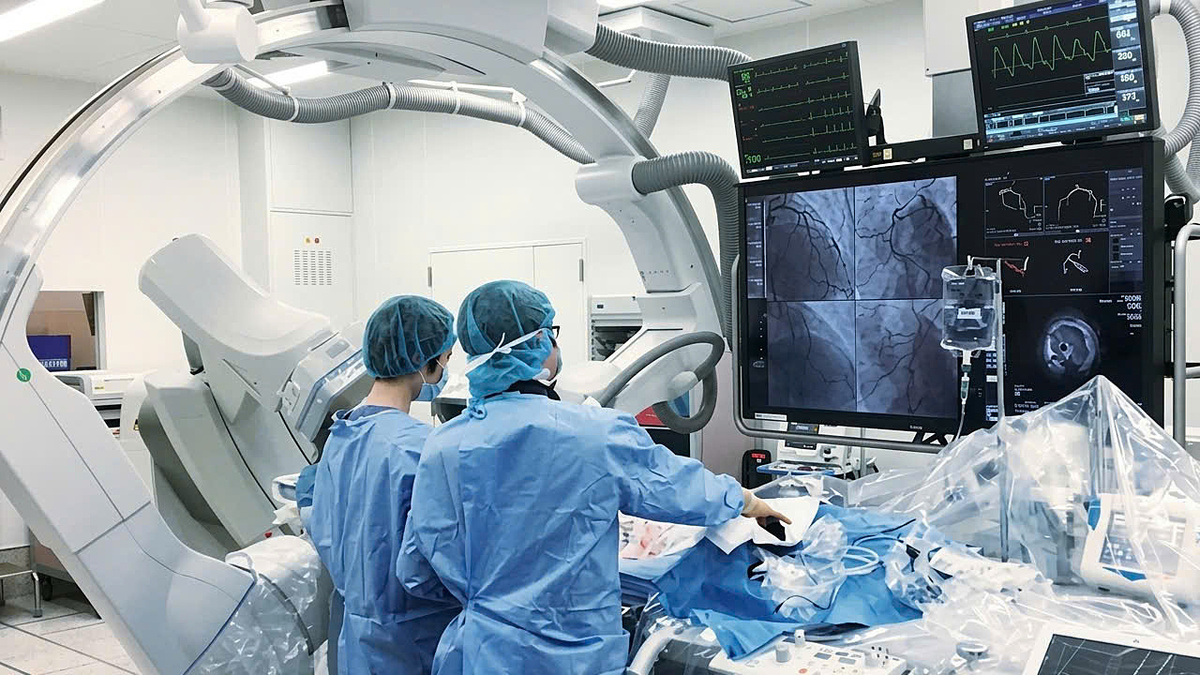
Vietnamese hospitals are increasingly investing in advanced medical equipment to expand diagnostic capabilities, support treatment, and enhance patient care quality. However, even with similar technology, the effectiveness of equipment utilization can vary significantly between healthcare facilities. Hiroshi Tani, President and CEO of Canon Medical Systems Asia, points out that the return on investment in medical equipment is heavily influenced not only by the devices themselves but also by personnel, operational processes, and the support system throughout the equipment's lifecycle. According to Mr. Tani, modern medical equipment expands the ability to acquire, process, and analyze image information, aiding diagnosis, treatment planning, and patient monitoring. Advances in image quality, processing speed, automation, and the application of artificial intelligence (AI) contribute to improving consistency and efficiency in diagnostic imaging practices. However, the value of technology extends beyond simply creating better images. An effective solution must provide clinically valuable information, support doctors in making more reliable professional decisions, help technicians optimize workflows, and offer a safer and more comfortable experience for patients. Therefore, medical equipment should not be viewed as an independent system but as a component of the entire healthcare process, integrating people, technology, data, and expertise. The difference in equipment utilization efficiency is determined not only by the technological platform but also by the capabilities of the personnel, the organization of processes, the degree of standardization, interdisciplinary coordination, and the quality of post-operation support. A common bottleneck is the gap between the capabilities of the equipment and the application abilities of the medical team. Initial training often only covers basic operations; to utilize specialized applications, hospitals require continuous training, clinical application support, and regular process reviews based on actual needs. Furthermore, the efficiency of the diagnostic imaging department depends on equipment stability, maintenance capabilities, and the speed of technical response. Technology creates sustainable value only when it is operated stably and supported throughout its entire service life. Regarding the Vietnamese market, Mr. Tani notes that it is a dynamic, rapidly developing market with diverse needs. Many large hospitals are accessing specialized techniques, while some facilities need to strengthen training, standardize processes, and enhance operational capabilities. Consequently, a one-size-fits-all model cannot be applied to every healthcare institution. He believes that localization does not mean lowering global standards but combining Japanese technology and quality with an understanding of clinical needs, infrastructure, human resources, and the development direction of each hospital. International corporations must maintain consistent technological standards while being flexible in their implementation, training, and support to suit local realities. Only then can technology be effectively utilized and create long-term value. The role of medical technology companies is expanding from providing equipment to partnering with healthcare facilities throughout the entire solution lifecycle, from consultation, training, and application support to maintenance and process optimization. Canon Medical inherits Japan's approach to quality, focusing not only on technological innovation but also on durability, accuracy, stability, and the experience of both the medical team and patients. The spirit of "Made possible. Made for life." reflects the view that technology should transform scientific advancements into practical value, serving people and supporting hospitals to operate more efficiently and sustainably. The company believes that the future development of the healthcare sector depends not only on additional equipment investment but also on the ability to apply technology to improve diagnostic quality, enhance patient experience, and utilize medical resources effectively. Canon Medical Systems Asia aims to contribute to this process as a long-term technology partner. This requires listening to the needs of each facility, understanding the local context, and adjusting implementation, training, and support methods to translate global standards and technologies into concrete clinical and operational value in Vietnam. The establishment of their representative office in Hanoi strengthens support for hospitals in the northern region, offering solution consulting, application training, and technical and clinical expertise. Local presence also enables them to better understand needs and respond more quickly. Information source: VnExpress

0

Original source

VnExpress

原文を読む