General articles are free for 24 hours after publish.
Ube's Sweet Success Faces Growth Pains in Global Market
Ube, the purple yam native to the Philippines, is experiencing global popularity but faces challenges like supply shortages and quality control. Balancing domestic consumption with export demand and establishing sustainable production are urgent priorities.
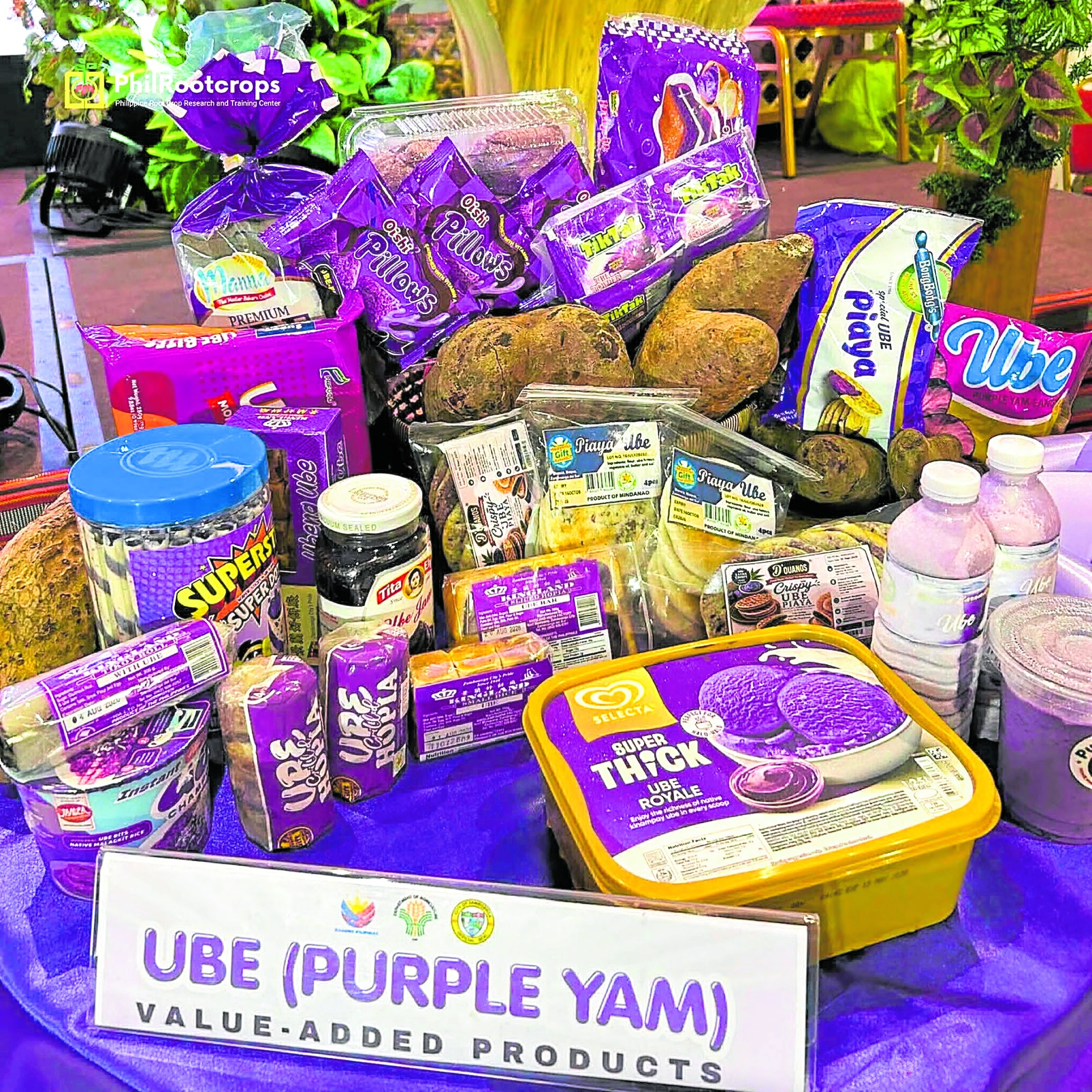
MANILA, Philippines — On Starbucks’ menu and grocery shelves abroad, ube—once a niche flavor internationally but long beloved in the Philippines—has found a comfortable place under the global spotlight in what has been dubbed its great “purple reign.” Ube coconut macchiato. Ube mochi pancakes. Ube-scented candles. And, more familiar to Filipinos, ube ice scramble. However, this “ube boom” is presenting new challenges for the Philippine industry. Soaring export demand has led to domestic supply shortages. Ube is deeply rooted in Filipino cuisine, and domestic consumption remains high. Balancing exports with local consumption is crucial for the industry’s sustainable growth. Furthermore, stringent quality control is becoming essential. To maintain competitiveness in the international market, a consistent supply of uniform quality ube is required. This necessitates technical support for farmers and strengthening the entire supply chain, from cultivation to processing and distribution. The Philippine government and related companies are exploring strategies to transform this “ube boom” from a fleeting trend into a sustainable industry. This global success offers a significant opportunity for the Philippine agricultural and food industries, while simultaneously highlighting structural issues. Comprehensive measures are needed to meet overseas demand, ensure domestic food security, and improve farmers’ incomes.
Original source
Inquirer Business