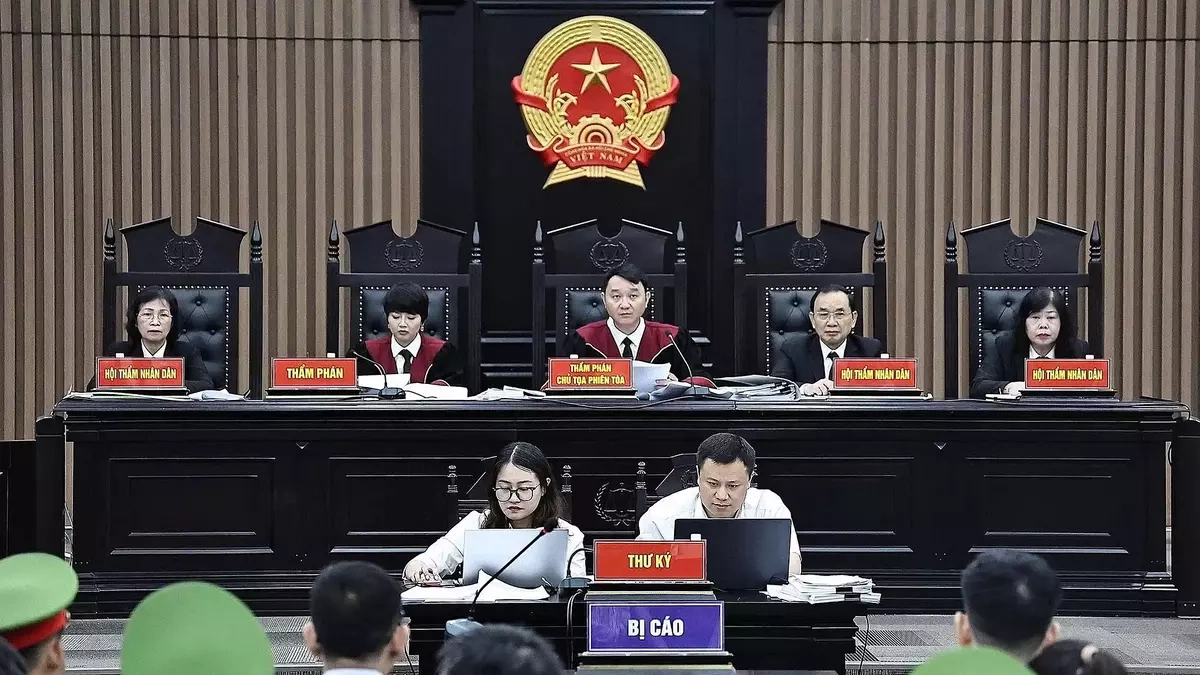
Vietnam Considers Suspending Criminal Liability for Economic Crimes
Economy
2026年7月17日
5
VnExpress

Vietnam Considers Suspending Criminal Liability for Economic Crimes

AI サマリー

Vietnam's Ministry of Public Security has proposed suspending criminal prosecution for economic crimes for up to three years, with potential exemption from punishment if damages are fully recovered. This initiative aims to prioritize economic development and prevent project stagnation.

Vietnam's Ministry of Public Security has proposed a significant shift in handling economic crimes, suggesting the suspension of criminal prosecution for up to three years and potential exemption from punishment if damages are fully recovered. This proposal is part of the draft amended Penal Code for 2026, slated for parliamentary review in August and adoption in October 2026. The mechanism would apply to 47 offenses infringing upon economic management order. Key conditions for suspension include that the act caused economic damage but was for the purpose of economic-social development, national defense, or security; it does not involve corruption; and the ongoing projects, though facing objective reasons for delayed damage recovery, still have feasible plans and conditions to achieve economic-social benefits. The suspension period would not exceed two years, with a possible one-year extension. This allows offenders up to three years to rectify their actions. Crucially, this suspension period will not count towards the statute of limitations for criminal prosecution. Should damages be fully recovered and economic-social benefits achieved during the suspension period, offenders may be considered for exemption from punishment under Article 29 of the draft law. This means they would still be considered guilty but would not serve a sentence and would not be recorded as having a criminal record. Furthermore, the draft expands conditions for sentence exemption in economic crimes. If economic damage was caused for development purposes, yields economic-social benefits, and all consequences are fully rectified and compensation made, exemption can be granted. If full rectification is not achieved, the sentence will be executed, with potential reduction based on the proportion of damages recovered, as per Article 59. The Ministry of Public Security cited statistics from 2021-2023, where 620 economic crime cases were processed, with estimated damages in the tens of trillions of Vietnamese Dong. It highlighted that immediate criminal prosecution can lead to project stagnation and waste. In 2023 alone, authorities recovered 78 trillion Dong in damages, demonstrating the effectiveness of prioritizing asset recovery before applying strict sanctions. This new mechanism aligns with Resolution 68, prioritizing economic measures and allowing businesses and entrepreneurs to proactively address violations and damages, according to the Ministry. Separately, the draft proposes reducing the number of crimes punishable by death from the current eight to four. The death penalty would remain for particularly serious offenses such as treason (Article 108), murder (Article 123), illegal drug manufacturing (Article 248), and terrorism (Article 299). This would abolish the death penalty for six current offenses, including rebellion (Article 112), rape of a minor under 16 (Article 142), illegal drug trafficking (Article 251), crimes against humanity (Article 422), war crimes (Article 423), and terrorism against the people's government (Article 113). Regarding drug-related offenses, while illegal drug trafficking may see the abolition of the death penalty, illegal drug manufacturing will retain it to deter source crimes. The draft also introduces a provision for individuals sentenced to death who have not been executed after 20 years to have their sentence commuted to life imprisonment. Source: VnExpress

多角的分析

経済的影響

ベトナム政府は、経済成長を最優先課題とする中で、経済犯罪に対する姿勢を軟化させることで、投資環境の改善とプロジェクトの円滑な進行を図ろうとしている。特に、経済的損害を伴うものの、国家経済発展に寄与する可能性のあるプロジェクトについては、刑事訴追を猶予し、被害回復と事業継続を促すことで、経済的損失の最小化と社会経済的利益の最大化を目指す。これは、過去の経済改革(Đổi Mới)以降、経済発展を最優先してきたベトナムの一貫した政策姿勢を反映している。ただし、汚職や悪質な不正行為との線引きが課題となる。

投資家心理

この提案は、ベトナムへの投資家にとって、経済犯罪に対するリスク認識を再考させる可能性がある。特に、プロジェクトの遅延や予期せぬ法的手続きによる投資回収への影響を懸念する声があったが、今回の措置は、損害回復を条件に刑事責任を免除する可能性を示唆しており、投資家にとって一定の安心材料となり得る。しかし、免除の判断基準となる「経済的・社会的利益」の解釈や、汚職との区別が曖昧な場合、依然として不確実性が残るため、具体的な運用状況を注視する必要がある。

社会的影響

経済犯罪に対する刑事責任の猶予・免除は、社会全体に複雑な影響を与える可能性がある。一方で、経済発展を促進し、雇用機会を維持・拡大する効果が期待される。しかし、他方で、法の下の平等を求める市民や、厳格な法執行を望む層からは、不正行為に対する寛容さが増すのではないかという懸念も生じうる。特に、被害回復が不十分なまま刑が免除されるケースが発生した場合、社会的な公正さや信頼性が問われることになる。また、死刑廃止の動きは人権擁護の観点から評価される一方、残る死刑適用罪状とのバランスも議論の的となるだろう。

市民の声

今回の法改正案は、経済活動に関わる市民、特にビジネスオーナーや経営者にとっては、事業継続の機会が増える可能性がある。過去の経済犯罪事件では、プロジェクトが頓挫し、多くの関係者が職を失うケースもあった。今回の措置は、そのような状況を回避し、経済的打撃を最小限に抑えることを目指している。しかし、一般市民の視点からは、法制度の公平性や、犯罪者に対する処罰の甘さに対する懸念も生じうる。特に、経済的利益を優先するあまり、社会正義が損なわれるのではないかという不安を感じる層もいるだろう。

背景・歴史的文脈

ベトナムは1986年のドイモイ(刷新)政策以降、市場経済を導入し、経済成長を最優先課題としてきた。その過程で、経済発展を促進する一方で、経済犯罪や汚職の問題も顕在化してきた。特に、大規模なインフラプロジェクトや不動産開発において、しばしば複雑な利害関係や法的な問題が生じ、プロジェクトの停滞や経済的損失を招くケースが報告されている。今回の法改正案は、こうした過去の経験を踏まえ、経済発展の勢いを維持しつつ、過去の過ちを「教訓」として活かすための試みと言える。また、死刑廃止の動きは、国際的な人権基準への歩み寄りとも解釈できるが、国内の治安維持や国民感情とのバランスも考慮されている。

原文ソース

VnExpress

原文を読む