Thailand Halves Visa-Free Stays, Grants Privileges to Select Nations
The Thai cabinet has halved the visa-free period for tourists from 60 to 30 days and reduced the number of eligible countries from 93 to 59. However, new privileges are being introduced for six countries, including India, to attract more visitors.
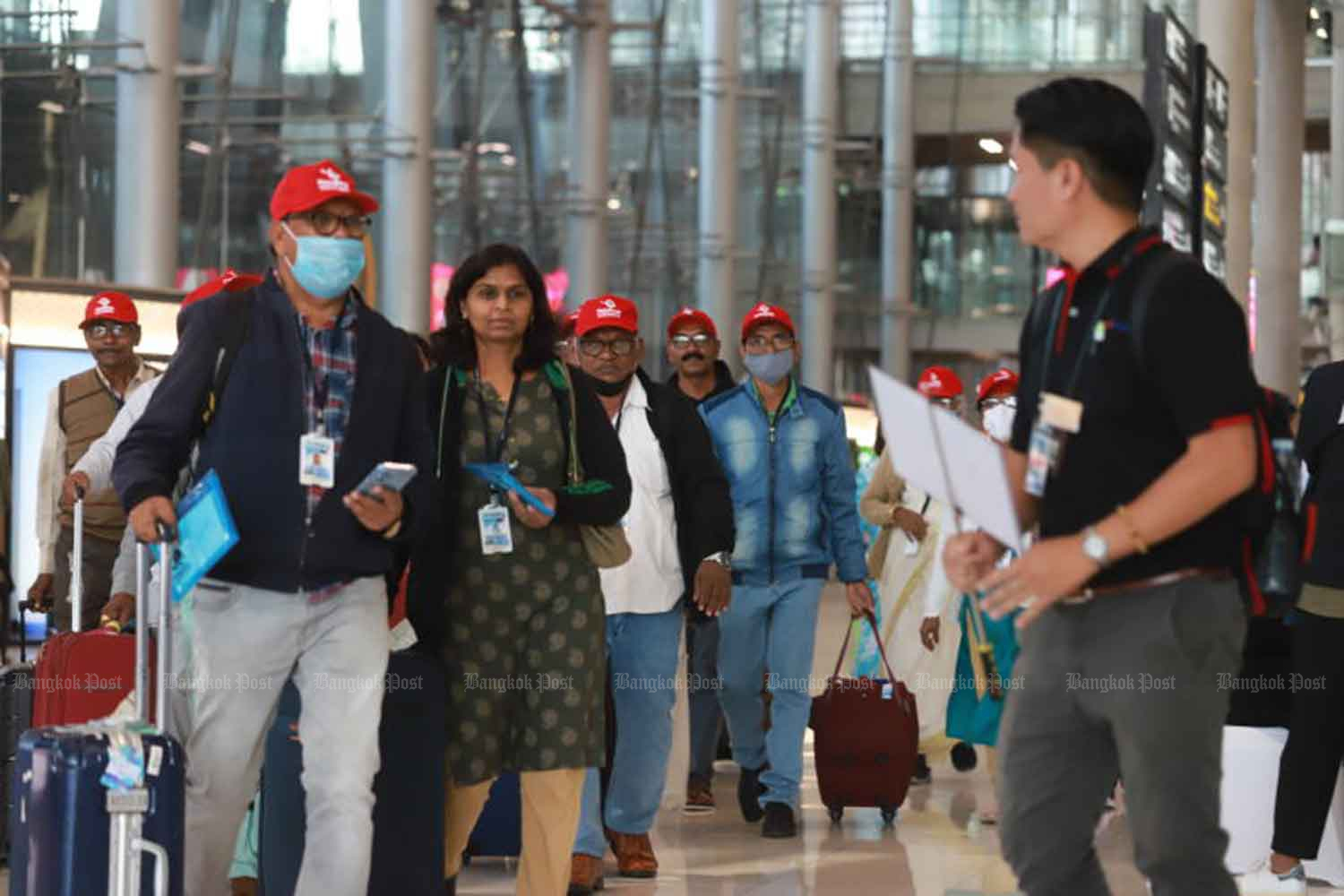
The Thai cabinet has decided to significantly shorten the visa-free period for tourists from some countries while introducing new privileges for specific nations as part of its tourism promotion strategy. These changes aim to address concerns about the abuse of visa-free schemes and national security, and to boost tourism from countries experiencing a decline in visitor numbers. At Tuesday's weekly cabinet meeting, it was resolved to revoke the 60-day visa-free period previously granted to 93 countries. The new arrangement will apply a 30-day visa-free period to 59 countries. This move comes in response to observations that the visa-free system was being exploited in ways that violated the law and jeopardized national security. Notably, new privileges will be extended to six countries: Bulgaria, Croatia, Cyprus, India, Malta, and the Maldives. These enhancements are expected to streamline visa processes for tourists from these nations. For Indian tourists, whose numbers had seen a sharp decline of nearly 20% after their 60-day visa-free entry was previously revoked and they were shifted to a visa-on-arrival policy, the revised scheme will offer a 30-day visa-free stay. This is particularly relevant as Indian tourists typically stay in Thailand for an average of 7.17 days per visit. The government hopes this will help revive inbound tourism from India. Under the new arrangement, the visa-free period will apply to 59 countries and will last 30 days. The change will increase visa privileges for six countries - Bulgaria, Croatia, Cyprus, India, Malta and the Maldives - and gives equal visa privileges to all 27 member countries of the European Union. Ms Ploythalay said the 30-day visa-free period will replace the visa-on-arrival policy for Indian visitors. Indian tourists stayed in Thailand, on average, for only 7.17 days per visit. Under Tuesday’s resolution, a 15-day visa-free stay will be available to visitors from the Seychelles and Mauritius. Visa-on-arrival will extend to Azerbaijan, Belarus and Serbian nationals. The visa revisions would become effective 15 days after being published in the Royal Gazette, she said. Tourism and Sports Minister Surasak Phancharoenworakul said the cabinet had earlier revoked 60-day visa-free entry for Indian visitors, who then had to resort to visa-on-arrival. That led to a sharp decline of nearly 20% in the number of Indian tourists, the minister said. Source: Bangkok Post
多角的分析
タイ経済の回復において観光セクターは依然として重要な役割を担っている。今回のビザ免除期間短縮は、短期滞在者の減少を招くリスクがある一方で、特定国への優遇措置は、ターゲットを絞った観光客誘致による効果を狙ったものと考えられる。特にインド市場からの観光客数減少は、タイにとって経済的な痛手であり、今回の措置がその回復に寄与するかどうかが注視される。しかし、制度変更による旅行計画の混乱や、他の潜在的な市場への影響も考慮する必要がある。
今回のビザ政策変更は、タイの観光関連企業、特に航空会社、ホテル、旅行代理店にとって短期的な不確実性をもたらす可能性がある。ビザ免除期間の短縮は、長期滞在を想定した旅行商品の需要に影響を与えるかもしれない。一方で、インドなどからの観光客増加が見込まれる国への優遇措置は、これらの市場に依存する企業にとっては朗報となり得る。投資家は、変更後の制度がもたらす観光客数の増減、およびそれに伴う収益への影響を慎重に見極める必要がある。特に、ホスピタリティセクターへの影響は大きいだろう。
タイへの入国手続きの変更は、外国人観光客の利便性に直接影響を与える。ビザ免除期間の短縮は、特に長期滞在を計画していた旅行者にとっては不便となり、タイへの訪問意欲を減退させる可能性がある。一方で、インドからの観光客に対する優遇措置は、タイとインド間の人的交流を促進する一方で、タイ国内の観光地における混雑や、地域社会への影響も考慮されるべき点である。また、制度変更の背景にある「悪用」や「国家安全保障」といった懸念は、タイ社会における外国人に対する見方や、入国管理体制のあり方についても議論を呼ぶ可能性がある。
タイ国民にとって、ビザ政策の変更は直接的な生活への影響は少ないものの、観光産業への依存度が高い経済状況においては、観光客数の増減が雇用や物価に間接的な影響を与える可能性がある。特に、観光客の減少は地方経済に打撃を与えることも考えられる。一方で、特定国からの観光客増加が期待されることで、観光地周辺の雇用機会が増加したり、関連産業が活性化したりする可能性もある。しかし、観光客の増加がもたらすインフラへの負荷や、地域社会との摩擦なども懸念される点である。
背景・歴史的文脈
タイは長年、観光立国として経済成長を牽引してきた。特に東南アジア諸国連合(ASEAN)域内や、中国、インドなどのアジア諸国からの観光客は、タイ経済にとって不可欠な存在である。過去には、ビザ免除措置の緩和や延長が観光客数の増加に大きく貢献した事例もある。しかし、ビザ制度の緩和は、不法滞在や不法就労、さらには国家安全保障上のリスクを高めるという側面も指摘されてきた。2020年以降の新型コロナウイルスのパンデミックは、タイの観光産業に壊滅的な打撃を与え、その後の経済回復の鍵として、観光客誘致策が再燃している。今回の措置は、パンデミック後の観光客数回復を目指す一方で、過去の教訓から制度の健全性を保とうとする政府の思惑が反映されたものと言える。
原文ソース
Bangkok Post