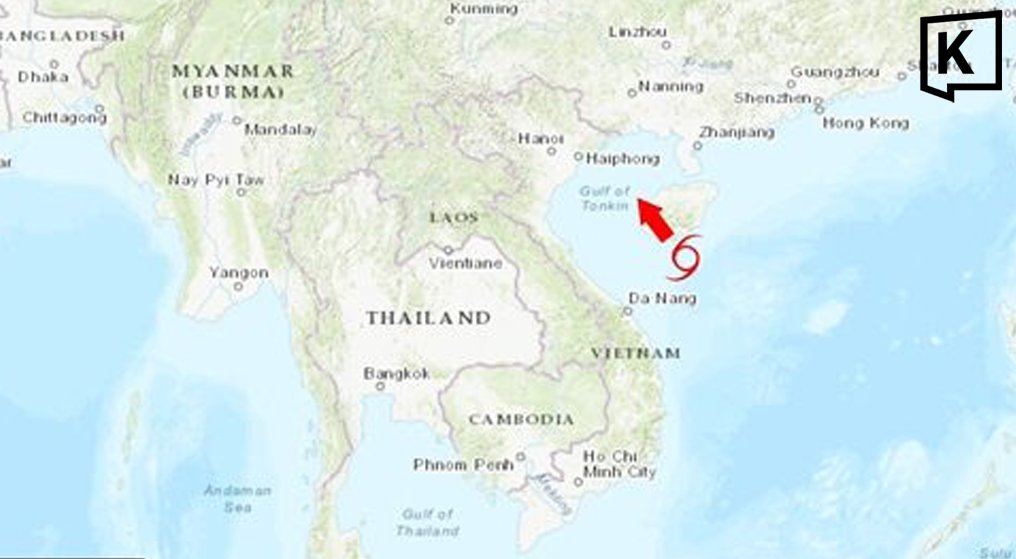
Tropical Storm Maysak Expected to Bring Increased Rainfall Across Thailand
Tropical Storm Maysak, while not making landfall in Thailand, is forecast to strengthen the southwest monsoon, leading to increased rainfall nationwide. Disaster prevention authorities are urging residents in flood and landslide-prone areas to monitor the latest weather updates.
This article requires PRO
This article is outside the free access window or is a special report. PRO unlocks it and the full archive.
Related articles
- Chai Nat Hit by Heavy Rain: Landslide Blocks Path to Sacred Site with Boulders
A landslide caused by heavy rain in Chai Nat province, central Thailand, has blocked the path to a temple housing the Luang Por Thamachak statue. Numerous large boulders washed down from Khao Tham Mool mountain now obstruct the route. Local authorities are working on safety measures and recovery.
- Thailand Orders Long-Term Flood Prevention Measures for Abhaibhubejhr Building
Thai Deputy Prime Minister and Commerce Minister Sabiada Thai Seth directed the urgent development of long-term flood prevention measures after the Abhaibhubejhr Chao Phraya building was affected by flooding. While specific damage details are scarce, the Thai government is prioritizing infrastructure protection and mitigating impacts on public life.
- SAPPE Delivers Aid to Flood Victims, Donates Over 2,500 Product Sets and Survival Kits
Thai health drink manufacturer SAPPE has donated over 2,500 sets of products and survival kits to flood-affected areas. The company emphasizes its commitment to community contribution through ongoing disaster relief efforts.
- Thai Defense Minister Visits Songkhla to Oversee Flood Preparedness Plans
Thailand's Defense Minister visited Songkhla Province in the South to inspect flood preparedness plans for the end of the year. The region is prone to flooding towards the end of the rainy season, highlighting the importance of government preparations.