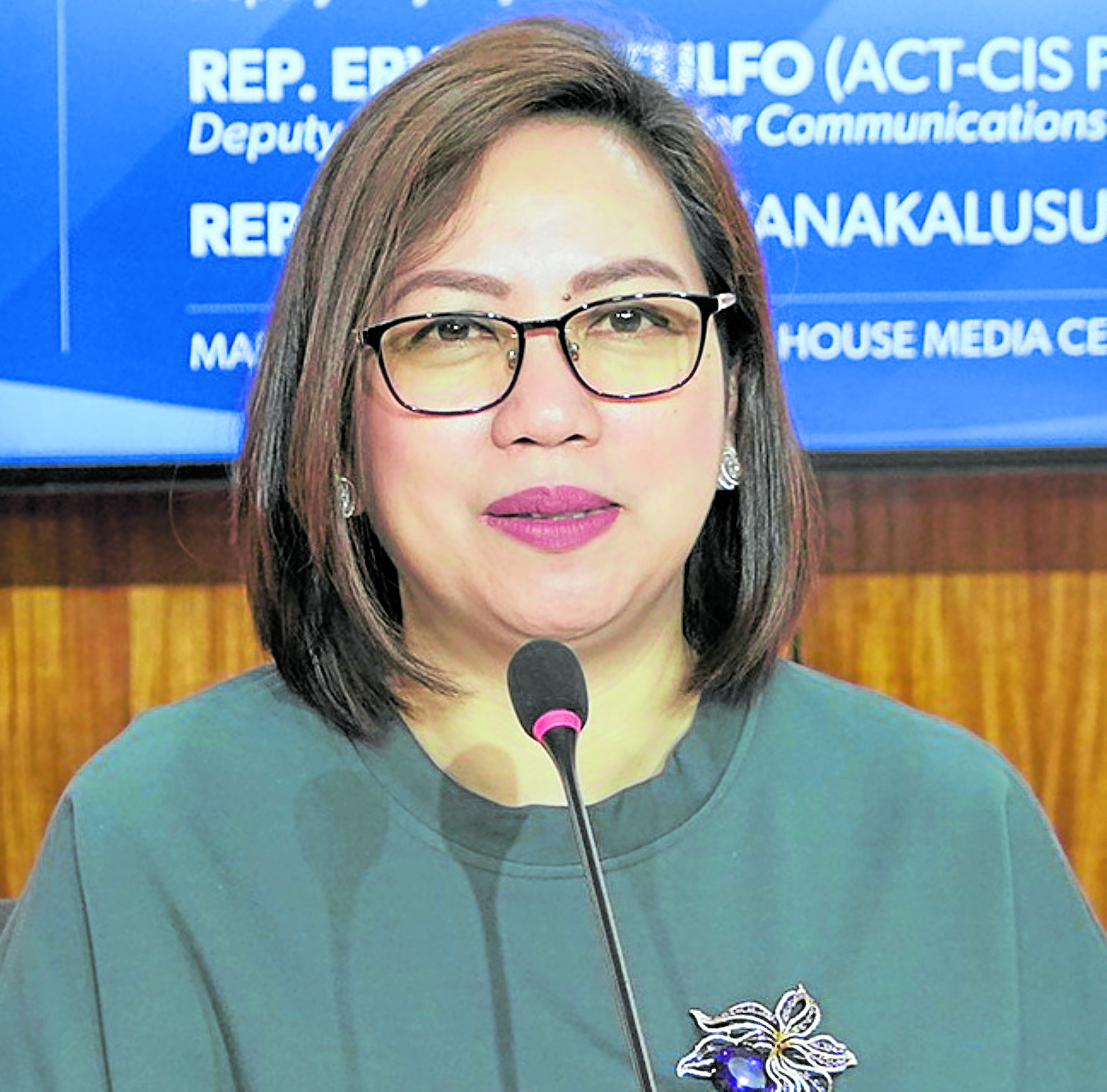
Garin to Sara Duterte: Impeachment is about accountability, not politics
Politics
2026年7月10日
3
Inquirer NewsInfo

Garin to Sara Duterte: Impeachment is about accountability, not politics

AI サマリー

House Deputy Speaker Janette Garin countered Vice President Sara Duterte's claims of 'politicking,' stating that impeachment proceedings are about accountability and a constitutional duty. Duterte's camp insists officials should focus on national concerns.

MANILA, Philippines — House of Representatives Deputy Speaker Janette Garin has countered Vice President Sara Duterte’s call to stop using calls for transparency to engage in politicking, reminding her that the impeachment proceedings were borne out of a yearning for accountability. In a press briefing on Friday, Garin said that acting on impeachment complaints — and pursuing a case after finding probable cause to impeach Duterte — are part of lawmakers’ duties under the 1987 Constitution. According to Garin, they cannot be selective in what job they have to fulfill, noting that lawmakers have been fulfilling their legislative roles despite the previous hearings in the House, and now, the impeachment trial at the Senate. “The government’s service to the people does not stop; it continues to address the needs of the people, Congress also moves, the Senate also works, but we cannot have selective tasks,” Garin told reporters at the Batasang Pambansa complex. “We cannot pick which part of our jobs will be the sole focus, because the impeachment trial is in accordance with the Constitution. It is our moral obligation and our moral duty,” she added. Garin said she does not understand where politicking comes into play in discussing Duterte’s alleged infractions, as elected officials are expected to maintain high standards — and threatening individuals run contrary to the code of conduct. “I cannot understand where her claims of self-serving political interest is coming from. Let us be clear, during the three days where we had impeachment trials, the prosecution was able to present the allegations under the Articles of Impeachment involving threats to the President, the First Family, and of course our former Speaker,” she said. “I don’t think that’s politicking because part of the responsibilities of an elected official, especially since you are holding the second highest position, part of a high post is a greater responsibility and accountability,” she added. Duterte, in an ambush interview at Hinatuan, Surigao del Sur last Wednesday, asked government officials to stop politicking and to refrain from hiding their alleged ill intentions behind calls for transparency and accountability. Also, Duterte said that government officials should focus on addressing peace and order concerns along with economic problems, as the people have long waited for progress to come. Duterte’s call to stop politicking came after the first week of her impeachment trial. After several months of waiting, the Senate Impeachment Court finally convened to start the trial and hear the evidence and witnesses. Out of the four Articles of Impeachment, the prosecution chose to discuss Article IV first, or the ground that focuses on Duterte’s threat to have President Ferdinand Marcos Jr., first lady Liza Araneta-Marcos, and former House Speaker Ferdinand Martin Romualdez assassinated if she herself gets killed. For Tuesday and Wednesday, the prosecution presented National Bureau of Investigation (NBI) Senior Agent John Mark Calilung, who investigated Duterte’s threats which she made in an online press briefing on November 23, 2024. In the online briefing, Duterte lashed out at the Marcos couple and Romualdez after her chief-of-staff, Undersecretary Zuleika Lopez, was detained within the House premises. Lopez’s detention came after she was cited for contempt by the House committee on good government and public accountability of the 19th Congress, for allegedly committing undue interference during the panel’s investigation into alleged misuse of confidential funds within Duterte’s offices. As she was infuriated over Lopez’s detention and subsequent attempts to transfer her to the Correctional Institute for Women, Duterte badmouthed the Marcos couple and Romualdez. At one point, Duterte was asked if she is concerned about her security; she replied by urging people not to worry since she had contracted an assassin to kill the three if she herself gets killed. Aside from Calilung, several pieces of evidence were presented, like the prosecution’s move to show the actual briefing where Duterte threatened the three individuals, and the defense panel’s decision to give a preview to a video of Lopez crying and complaining about her detention. After showing the video of Lopez, the defense was quizzed by Senator-judge Risa Hontiveros if they believe that threats from Duterte were warranted if they had established that Lopez was oppressed. Hontiveros asked what the relevance of the video presented by the defense was — and whether the defense intends to establish that Duterte’s threats were borne out of Lopez’s detention. In response, Duterte’s lawyer Carlo Joaquin Narvasa said that there was a “systematic oppression” from the House. Duterte’s trial is scheduled to resume on Monday, July 13, with the prosecution intending to present lawyer Jeremy Lotoc of the NBI. The prosecution said that for Tuesday, they will present Lopez, and then Capt. Belinda Bello of the House of Representatives’ Office of the Sergeant-at-Arms for Wednesday.

多角的分析

経済的影響

副大統領の弾劾裁判という政治的混乱は、フィリピン経済の不確実性を高める要因となり得る。特に、投資家心理に悪影響を与え、国内および海外からの投資を鈍化させる可能性がある。また、政治的安定性の低下は、インフレ圧力や通貨安につながるリスクも内包しており、国民生活に直結する物価上昇を招く恐れがある。国民が長期にわたり進歩を待っているという副大統領の指摘は、経済停滞への国民の不満を反映しているとも考えられる。

投資家心理

副大統領の弾劾裁判は、フィリピンの政治リスクを浮き彫りにし、投資家にとって懸念材料となる。特に、政治的安定性が損なわれると、為替レートの変動や資本流出のリスクが高まる。副大統領が指摘するように、国民は経済問題の解決を強く求めているため、政治的対立が長期化すれば、経済成長への期待が損なわれ、投資判断に慎重になる動きが強まるだろう。

社会的影響

副大統領の弾劾裁判は、フィリピン社会における権力闘争と説明責任のあり方を巡る議論を再燃させている。ガリン副議長が強調する「国民からの説明責任」という側面は、市民が政治家に対してより高い倫理基準と透明性を求める声を反映している。一方で、ドゥテルテ副大統領が訴える「国民の懸念に応える」という点は、多くのフィリピン人が直面する経済的困難や治安問題への早期解決を望む切実な思いを示している。特に、副大統領が言及した「脅迫」とされる発言は、公職者の言動規範と、それが社会に与える影響について、国民の間に議論を巻き起こしている。

市民の声

副大統領の弾劾裁判は、マニラ首都圏に住む市民にとって、日々の生活に直接的な影響を与えるものではないかもしれないが、政治への不信感や将来への不安を増幅させる可能性がある。物価上昇や交通渋滞といった切実な問題が解決されないまま、政治家同士の対立が続く状況は、多くの市民にとって「政治は国民のためになっていない」という感覚を強めるだろう。特に、若年層はSNSなどを通じて政治動向を注視しており、説明責任の欠如や政治的駆け引きに対して、より強い不満を抱く傾向があると考えられる。

背景・歴史的文脈

フィリピンにおける弾劾制度は、1987年憲法に基づき、大統領、副大統領、最高裁判所判事、憲法裁判所判事、オンブズマンなどの高官に対する説明責任を確保する手段として設けられている。過去には、ジョセフ・エストラーダ元大統領(2001年)や、レナート・コロナ元最高裁判所長官(2012年)が弾劾手続きの対象となった事例がある。これらの事例は、フィリピン政治における権力闘争や、司法・立法府と行政府の緊張関係を反映してきた。今回の副大統領に対する弾劾は、現政権内の権力構造や、ドゥテルテ前大統領の政治的影響力との関連で、注目を集めている。

原文ソース

Inquirer NewsInfo

原文を読む