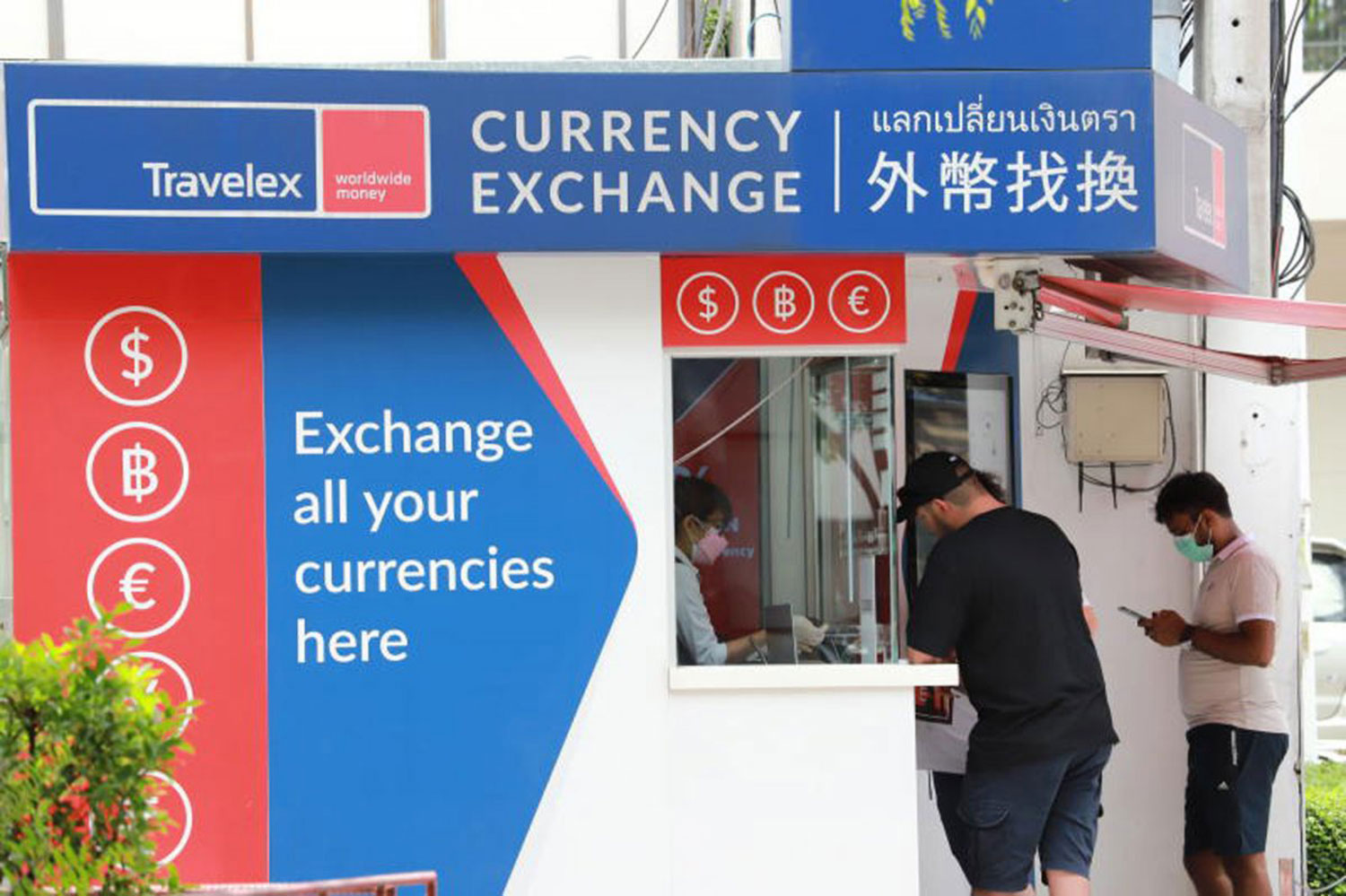
Baht to Rebound Against US Dollar by Year-End, SCB Predicts
Siam Commercial Bank (SCB) forecasts the Thai baht to strengthen against the US dollar by the end of the third quarter, citing a narrowing trade deficit and easing inflationary pressures. The recent depreciation is deemed temporary.
The Thai baht is expected to regain strength against the US dollar in the latter part of the third quarter, reversing a short-term depreciation trend, according to Siam Commercial Bank Financial Markets (SCB FM). Wachirawat Banchuen, senior financial markets strategist at SCB FM, stated that the baht's weakening trend is largely temporary and does not signal a prolonged decline. The Thai currency recently dipped below 33 baht to the dollar, briefly approaching 33.5, driven by short-term factors rather than underlying economic deterioration. "The baht has not weakened significantly compared with other regional currencies and remains relatively stable," Mr Wachirawat noted. "The recent depreciation mainly reflected temporary capital outflows, particularly foreign selling in the Thai equity market. Once those flows subsided, the baht quickly stabilised." He emphasized that the current dip should not be compared to the 1997 Asian financial crisis, as it was largely a one-off event rather than the start of a sustained sell-off. In the near term, SCB FM projects the baht to trade in a range of 33-33.50 to the dollar, with modest downside pressure remaining from the widening interest rate differential between Thailand and the US. The Bank of Thailand is expected to keep interest rates unchanged to support its fragile economy, while markets anticipate the US Federal Reserve to maintain relatively high interest rates due to persistent inflation. Thailand's trade balance has been a headwind, recording deficits of around US$10 billion in May and roughly $5 billion last month, adding pressure on the currency. Despite near-term weakness, Mr Wachirawat anticipates the baht will begin appreciating in late Q3 or early Q4 as market expectations for wider US-Thailand interest rate differentials appear overly aggressive. "Both the Fed and the Bank of Thailand are likely to leave policy rates unchanged for the remainder of the year as inflation has started to ease," he said. Consequently, the US dollar is expected to lose momentum, reducing pressure on the baht. Furthermore, Thailand's external position is likely to improve with a narrowing trade deficit and a current account gradually returning to neutral. "These factors should help the baht recover, with the currency likely to strengthen to 32.5-33 per dollar by the end of the year," Mr Wachirawat said. He advised exporters to hedge around 60% of their expected foreign currency receipts through spot transactions, using options to retain flexibility amid volatility. Importers are advised not to rush dollar purchases at current levels, hedging only about 20% of their foreign currency requirements and waiting for the baht to strengthen before increasing dollar purchases.
多角的分析
タイバーツの短期的な下落は、主に海外投資家の株式市場からの資金流出と、タイと米国の金利差拡大への懸念に起因している。しかし、SCB FMは、タイの貿易赤字が縮小傾向にあり、インフレ圧力が緩和していることから、これらの要因は一時的であり、年末にかけてバーツは上昇に転じると予測している。これは、タイ経済のファンダメンタルズが依然として比較的堅調であることを示唆している。特に、経常収支の改善は、通貨の安定に寄与する重要な要素となる。
投資家にとって、タイバーツの短期的な下落は、ポートフォリオのリスク管理においてヘッジ戦略の重要性を示唆している。SCB FMのアドバイスは、輸出入業者それぞれに異なるアプローチを推奨しており、為替変動リスクを最小限に抑えつつ、機会を捉えるための具体的な指針を提供している。年末にかけてのバーツ上昇予測は、タイ資産への投資機会を検討する投資家にとって、ポジティブなシグナルとなりうる。ただし、金利差の動向と米国の金融政策には引き続き注意が必要である。
タイバーツの変動は、輸入物価に影響を与え、間接的に国内の物価上昇圧力となりうる。特に、輸入依存度の高い商品や原材料の価格変動は、一般市民の生活費に直接的な影響を与える可能性がある。今回のバーツ下落が一時的であり、年末にかけて回復するとの予測は、市民にとって一定の安心材料となるが、短期的な価格変動による家計への影響は無視できない。また、輸出入業者は為替リスクに対応するための戦略を練る必要に迫られる。
タイ国民、特に輸入業者や海外旅行を予定している人々にとって、バーツの下落は一時的な負担増となる。しかし、SCB FMの分析が示すように、この下落が長引かず、年末にかけてバーツが回復する見込みであることは、家計の将来的な見通しにおいて希望を与える。輸出関連の仕事に就く人々にとっては、バーツ安が一時的に有利に働く可能性もあるが、全体としては安定した為替レートが経済活動の予測可能性を高め、市民生活の安定に繋がる。年末にかけてのバーツ上昇は、輸入コストの低下や海外旅行の割安感をもたらすことが期待される。
背景・歴史的文脈
タイバーツは、1997年のアジア通貨危機以降、為替レートの変動に対して敏感な通貨として認識されてきた。当時、タイバーツは急激な下落を経験し、アジア経済全体に波及した。この経験から、タイ中央銀行は為替レートの安定化に努め、資本移動の監視を強化してきた。近年では、米国の金融政策(特にFRBの利上げ・利下げ)や、タイの貿易収支・経常収支の動向が、バーツの価値に大きな影響を与える要因となっている。今回のバーツ下落は、これらの要因に加え、一時的な海外投資家の資金流出が複合的に作用した結果と考えられる。
原文ソース
Bangkok Post