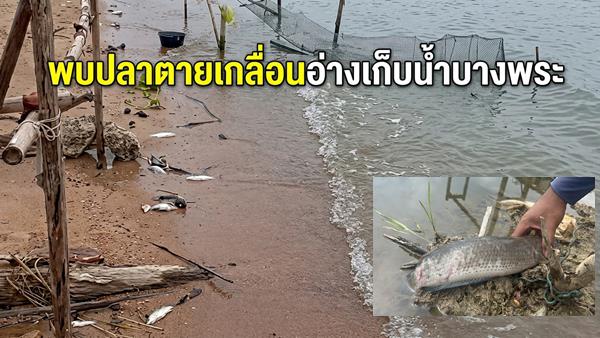
Mass Fish Die-off at Bang Phra Reservoir, Water Quality Shift Suspected
A large number of dead fish have been found at the Bang Phra Reservoir in Chonburi Province, Thailand. Experts suspect that a sudden shift in water quality and a drop in dissolved oxygen levels likely caused the fish to suffocate. This phenomenon could impact the reservoir's ecosystem and the lives of local residents.
This article requires PRO
This article is outside the free access window or is a special report. PRO unlocks it and the full archive.
Related articles
- Thailand: Elderly Care Facility Defends 'Bed Rails' Amid Controversy
A controversy has erupted at an elderly care facility in Thailand over the use of 'bed rails' for residents. The facility insists the rails are a safety measure to prevent falls among elderly patients with vascular issues, not those with psychiatric conditions. However, rights advocates have raised concerns about potential infringements on residents' freedom.
- Haier Thailand Aids Flood Recovery Efforts, Supporting Communities Post-Disaster
Following widespread floods in Thailand, Haier Thailand has launched relief efforts, demonstrating commitment to communities during the recovery phase. The company is providing aid and support to help communities rebuild and overcome the crisis.
- Sakeo Flood Aftermath: Residents Face Lingering Hardship Despite Receding Waters
In Thailand's Sakeo province, residents continue to face hardship even after floodwaters receded. The Department of Disaster Prevention and Mitigation is surveying damage, with locals expressing dismay.
- Loei Province Boosts Economy with Macadamia Nuts, Ranking Fifth in Agricultural Output
Loei Province in northeastern Thailand is promoting macadamia nuts as a pillar of its regional economy. The province has positioned macadamia nuts as one of its key agricultural products, growing its revenue to over 200 million baht annually. Efforts are also being made to develop processed goods and create employment within local communities.