Vietnam Offers 300% Salary Support for International Integration Experts
Politics
2026年7月2日
4
VnExpress
Relations
🇻🇳Vietnam🇪🇺European Union

Vietnam Offers 300% Salary Support for International Integration Experts

AI サマリー

Vietnam's government has announced a policy to provide monthly support equivalent to 300% of current salary for outstanding scientists and experts in international integration. This exceptional measure aims to secure long-term talent and enhance expertise in foreign relations.

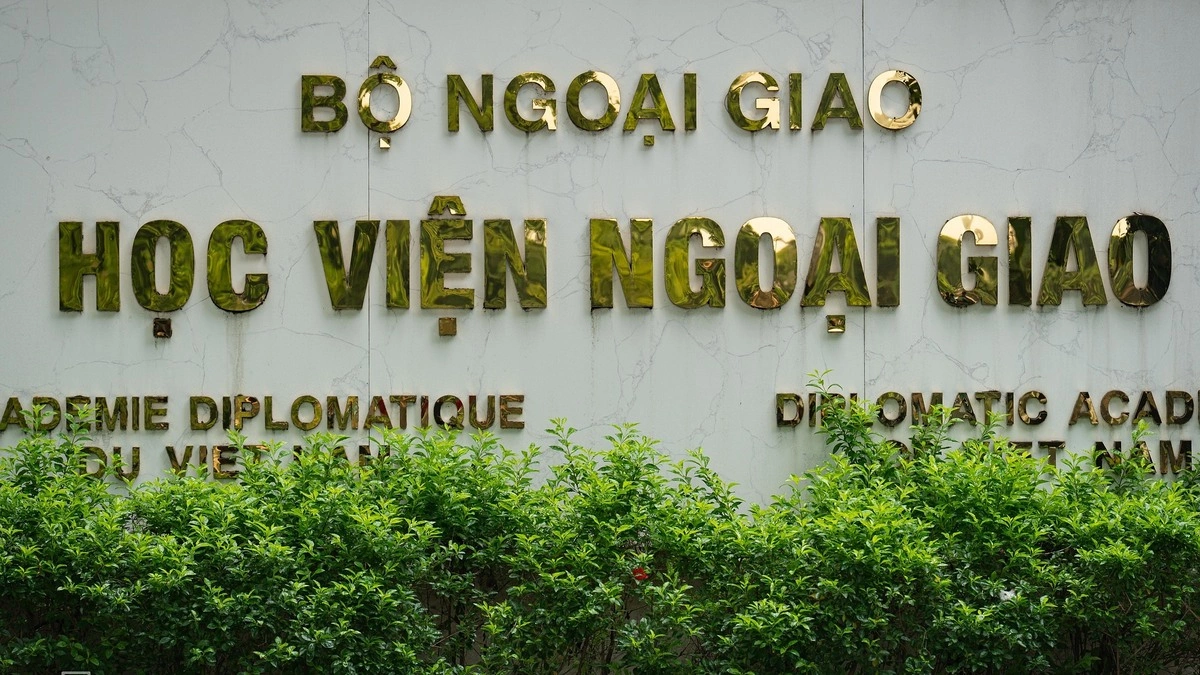
The Vietnamese government has issued a policy to provide monthly support equivalent to 300% of the current salary for outstanding scientists and experts in the field of international integration. This exceptional measure aims to secure long-term talent and enhance expertise in foreign relations. Decree 258/2026, issued on June 30, defines the criteria for eligible scientists and experts. An international integration scientist is defined as someone proficient in at least one foreign language equivalent to level 4 or higher in Vietnam's six-level foreign language proficiency framework, with at least 10 years of work experience in foreign affairs or international integration, or at least 10 years of direct teaching or research experience in related fields. They must also hold a doctorate from an internationally reputable institution, be an author or co-author of a research paper that has received an international award, or have widely applied research with practical effectiveness. An international integration expert must also possess at least level 4 foreign language proficiency and meet one of the following conditions: at least 10 years of work experience or holding a management position in domestic or international organizations with professional credibility in international integration; having led or co-led at least one state-level research project on foreign affairs or international integration that achieved excellent results; or having served as a minister or held a higher position, currently working or retired. Scientists and experts in international integration, if within working age and wishing to work long-term in agencies directly and regularly involved in foreign affairs and international integration, will be considered for recruitment as civil servants or public employees. They will receive monthly support equivalent to 300% of their current salary based on their current salary scale. Those who are past the working age or, within working age, do not wish to become civil servants or public employees, will be hired on a contractual basis for specific tasks. Their annual contributions will be evaluated to determine the continuation or termination of the support. Foreign scientists and experts will be prioritized for training, academic research, and support for cooperation programs with Vietnam, with remuneration agreed upon through contracts. In necessary cases, they may be mobilized by the Ministry of Foreign Affairs to support the foreign affairs activities of the Party and the State. Furthermore, the government plans to develop the Diplomatic Academy of Vietnam (DAV) into a specialized national key higher education institution, playing a leading role in training, capacity building, strategic research, and academic diplomacy. The decree takes effect from June 30. Source: VnExpress

多角的分析

経済的影響

ベトナム政府による国際統合分野の専門家への破格の待遇は、高度な専門知識を持つ人材の獲得競争が激化する中で、国内の人的資本強化に向けた積極的な投資と解釈できる。月給の300%という手厚い支援は、公務員としての安定したキャリアパスに加え、経済的なインセンティブを大幅に高めることで、優秀な人材の流出を防ぎ、国内での活躍を促す狙いがある。これは、グローバル化が進む中で、国際社会におけるベトナムのプレゼンスを高め、経済発展を加速させるための戦略的な人材育成・確保策と言える。過去にも、特定の専門分野(例えばIT分野など)で人材獲得競争が起きた際には、同様に待遇改善やインセンティブ付与が行われてきた事例があり、今回の措置もその延長線上にあると見られる。

投資家心理

この政策は、ベトナムへの直接投資を検討している投資家にとって、長期的な視点での国の発展ポテンシャルを示すポジティブなシグナルとなり得る。国際統合分野の専門性強化は、貿易協定の交渉、外国投資誘致、国際的なビジネス環境の整備などに直接的に貢献する。これにより、より洗練された規制環境や、国際基準に準拠したビジネスインフラが整備される可能性が高まる。特に、EU-Vietnam Free Trade Agreement (EVFTA) や CPTPP などの自由貿易協定を最大限に活用し、国際市場での競争力を高めようとするベトナムの意欲の表れと捉えることができる。投資家は、このような政策が、将来的な経済成長や市場の安定性に寄与すると期待するだろう。

社会的影響

国際統合分野の専門家への手厚い待遇は、ベトナム社会における専門職の地位向上と、高度な知識・スキルを持つ人材への評価の高まりを示す。特に、対外関係や国際協力といった分野は、国家の発展に不可欠であり、その専門家が優遇されることは、社会全体の知的な関心を高める可能性がある。しかし一方で、このような手厚い待遇が、他の分野の専門家や一般公務員との間で格差を生むのではないか、という懸念も生じうる。例えば、医療、教育、あるいは国内のインフラ開発といった、国民生活に直結する分野の専門家や労働者との間で、待遇の不均衡が問題視される可能性も考えられる。また、外国籍の専門家を積極的に受け入れる姿勢は、国際的な人材交流を促進する一方で、国内の専門家との雇用機会の競合といった側面も考慮する必要があるかもしれない。

市民の声

ベトナム政府が国際統合分野の専門家に対して、給与の300%という異例の支援を行うことは、一般市民の生活に直接的な影響を与えるものではないものの、国家の対外的な競争力強化という観点からは間接的な恩恵が期待される。例えば、より有利な国際貿易協定の締結や、外国からの投資増加による雇用機会の創出などが考えられる。しかし、市民の中には、このような手厚い待遇が、医療や教育といった、より身近な分野の公務員や専門家にも適用されるべきではないか、という声も上がる可能性がある。特に、地方や低所得者層にとっては、これらの分野のサービス向上こそが生活の質に直結するため、政府の資源配分に対する関心は高まるだろう。また、優秀な人材が国内にとどまることは、長期的な経済発展に繋がり、結果として国民全体の生活水準向上に寄与するという見方もできる。

背景・歴史的文脈

ベトナムは、1986年のドイモイ(刷新)政策以降、市場経済化と国際社会への開放を進めてきた。特に、2001年の米越通商協定締結や、2007年のWTO加盟は、国際社会との関係を深化させる大きな転換点となった。近年では、CPTPP(包括的・漸進的環太平洋パートナーシップ協定)やEU-Vietnam Free Trade Agreement (EVFTA) などの自由貿易協定に加盟し、グローバルサプライチェーンにおける役割を拡大している。こうした国際的な枠組みへの積極的な参加は、高度な専門知識を持つ人材、特に国際法、貿易、外交分野の専門家の必要性を高めている。今回の政令は、こうした背景を踏まえ、国家の国際競争力をさらに強化するために、専門人材の確保と育成に政府が本腰を入れる姿勢を示したものと言える。

原文ソース

VnExpress

原文を読む