Vietnam Accelerates DNA Identification of Fallen Soldiers, Prioritizing Elderly and Infirm Relatives
Security
2026年8月2日
5
Nhan Dan

General articles are free for 24 hours after publish.

Vietnam Accelerates DNA Identification of Fallen Soldiers, Prioritizing Elderly and Infirm Relatives

Share
AI Summary

In Vietnam's southern Ca Mau province, police have begun mobile DNA sample collection for relatives of fallen soldiers who are elderly or infirm. This initiative leverages science and technology to help fulfill the long-held wish of families to identify and repatriate the remains of their loved ones.

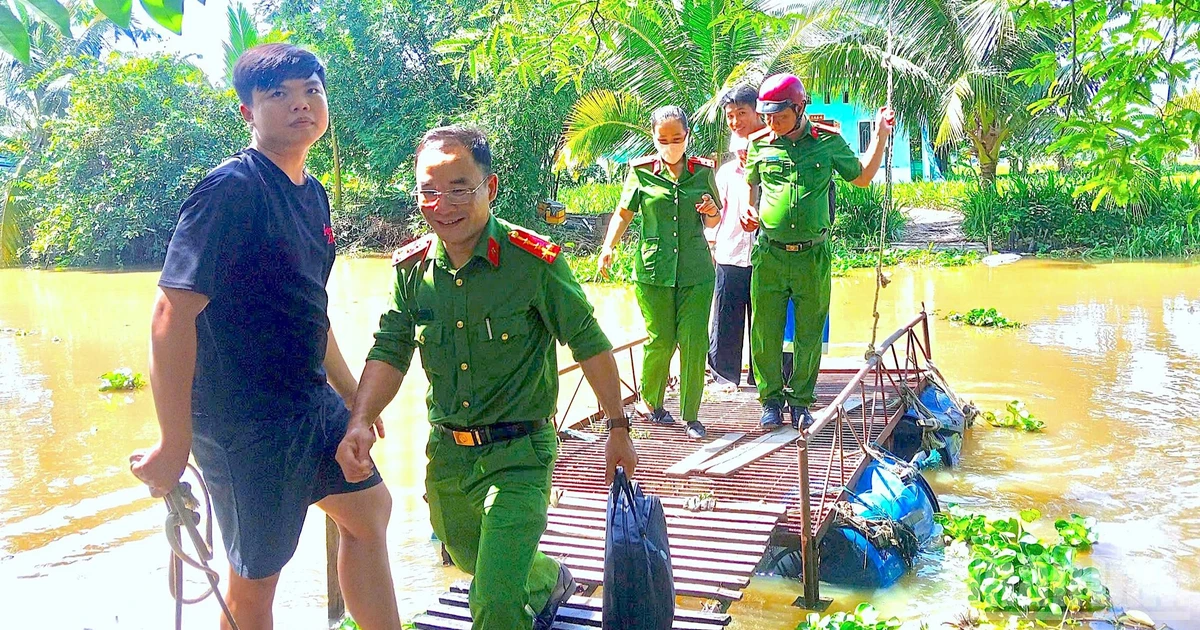
In Vietnam's southern Ca Mau province, police have initiated a special mobile collection of DNA samples for relatives of fallen soldiers who are elderly, ill, or unable to travel. This initiative aims to utilize science and technology to assist in identifying the remains of soldiers who bravely sacrificed for the nation, fulfilling the long-held wishes of their families. Through surveys across 39 communes and wards, Ca Mau Provincial Police identified over 170 relatives requiring at-home DNA sample collection. In addition to fixed collection points, mobile teams have been formed to visit individuals directly, whether they are in hospital beds or at home. These teams are equipped with DNA sampling equipment, information verification tools, and relevant documentation to ensure swift and accurate collection. In one instance, a team visited the home of Ms. Nguyen Thi Tot (90 years old, sister of fallen soldier Nguyen Van Hoa) in Khanh Hung commune, despite the remote location. Her son, Vo Van Da, expressed gratitude, stating, "The road is difficult, but you all came to help find my uncle's remains. We are very grateful for this care." In Phan Ngoc Hien commune, the family of Ta Van Coi, who has been searching for over 50 years for the remains of their relative, was deeply moved by the police visit. Ta Vien Phuong shared, "With the police coming to our home to collect DNA samples, our hope of finding our relative's remains is even stronger." According to Lieutenant Colonel Le Thanh Sang, Deputy Head of Political Affairs at the Ca Mau Provincial Military Command, since the operation began, the remains of four fallen soldiers have been recovered, with two more identified and undergoing repatriation procedures. In Vinh Loc commune, a visit was made to the home of Mr. Le Quang Hung (brother of fallen soldier Le Quang De), who is too ill to travel. Hung emotionally stated, "For decades, my family has wished to find my brother. Now that officials have come to our home to assist, perhaps I can welcome my brother back to the family and ancestors in my final days." This effort is described as more than just a professional duty; it involves listening to the poignant stories of fallen soldiers and engaging with faded photographs and old records. Some elderly individuals are over 90 years old, while some families have preserved soldier records for generations, holding onto the hope of one day knowing their loved one's resting place. Lieutenant Colonel Tran Viet Cuong, Deputy Head of the Provincial Police's Administration Department for Social Order, emphasized the commitment: "For relatives who cannot travel, we will visit them directly, ensuring no one is left behind in the journey to find and identify fallen soldiers." The DNA sample collection is a crucial first step in building a DNA database for comparison with the remains of fallen soldiers collected nationwide. This process will require more time and close coordination with specialized agencies. However, each kilometer traveled, each door knocked, and each DNA sample collected today carries the sacred hope of the fallen soldiers' families, helping to soothe decades of pain and waiting. Colonel Vo Thanh Le, Political Commissar of the Ca Mau Provincial Military Command and Standing Deputy Head of the provincial Steering Committee for searching and collecting fallen soldiers' remains, announced that an appeal letter has been issued to all officials, soldiers, and citizens within and outside the province to provide information on the burial sites of fallen soldiers. Information should be sent to the receiving unit: Steering Committee for searching, collecting, and identifying fallen soldiers' remains of Ca Mau province, Political Department, Ca Mau Provincial Military Command (Address: No. 500 Tran Van Thoi Street, Tan Thanh Ward, Ca Mau Province). The hotline number is 0919.941.649 (Mr. Ngo Truong Phung), or information can be reported directly to the Military Command of communes and wards within Ca Mau province. Information Source: Nhan Dan

0

Original source

Nhan Dan

原文を読む