General articles are free for 24 hours after publish.
Mini-Apartment Investors Face Headaches in Hanoi Amidst Oversupply and High Interest Rates
An individual investor in Hanoi's mini-apartment market is struggling with declining occupancy rates and rising interest expenses. The situation is exacerbated by increased competition and concerns about urban development plans potentially dispersing residents.
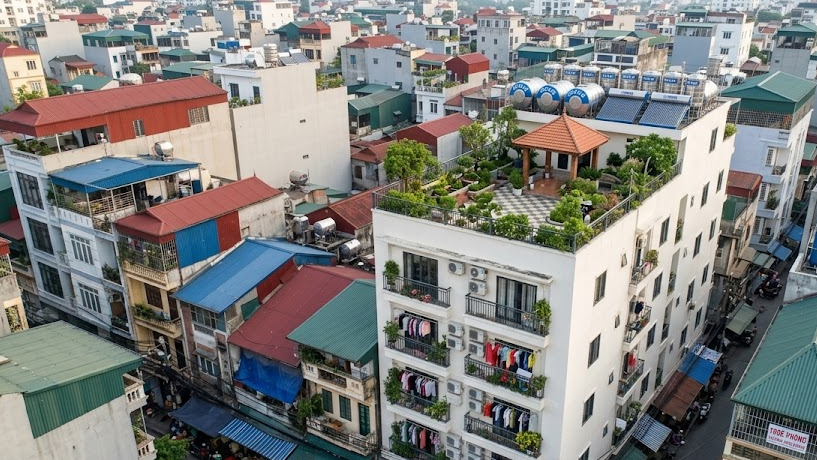
An individual investor in Hanoi's mini-apartment market is facing significant financial strain due to a surge in new competing properties and rising interest rates. Initially, the investor anticipated stable rental income, but the current situation paints a less optimistic picture. The investor, who owns a 70-square-meter plot in Nghia Do ward, Hanoi, decided to construct a mini-apartment building three years ago. The six-story structure comprises 12 units ranging from 15 to 25 square meters. Construction costs, fire safety systems, and interior furnishings significantly exceeded the initial budget. In addition to personal funds, the investor borrowed 3 billion VND (approximately $120,000 USD) from a bank. Following its operational launch in late 2024, the property initially enjoyed an occupancy rate of around 80%, generating approximately 40 million VND (around $1,600 USD) in monthly rental income. This revenue was sufficient to cover the annual interest payments of 8% on the loan and a portion of the principal. However, the situation began to change in early 2026. First, three new mini-apartment buildings were completed in the alley near the investor's property, leading to an unexpected increase in supply. Furthermore, a portion of the investor's tenants, primarily students, were compelled to relocate to suburban educational institutions due to the city's development plans, causing the occupancy rate to drop to 50%. The investor noted that this trend of oversupply and high vacancy rates is not isolated, observing similar conditions in areas like Cau Giay and My Dinh. Adding to the financial pressure, the loan's interest rate has since increased to 12% per annum. Consequently, the rental income is no longer sufficient to cover the interest, let alone the principal repayment. While interest rates may eventually decrease, the investor's primary concern is the city's urban development strategy, particularly around Transit-Oriented Development (TOD) Metro stations. This strategy is expected to lead to a gradual decentralization of residents from the inner city, significantly reducing rental demand. The investor is contemplating selling the mini-apartment building to purchase a smaller apartment for rent and a plot of land closer to a TOD area. However, selling in the current market is proving challenging. The investor regrets not dividing the land into two plots to build two separate houses, which would have been easier to sell, as 30-35 square meter houses in the area still sell well. Source: VnExpress
Original source
VnExpress