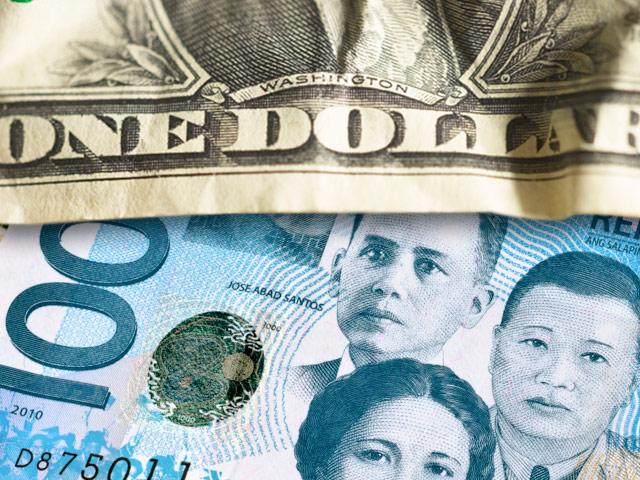
Philippine Peso Weakens Against US Dollar Amid Rising Oil Prices and Risk Aversion
The Philippine peso weakened against the US dollar due to rising oil prices amid escalating Middle East tensions and global risk aversion. This increases foreign exchange risk for offshore investors, potentially diminishing the attractiveness of Philippine bonds.
This article requires PRO
This article is outside the free access window or is a special report. PRO unlocks it and the full archive.
Related articles
- APECO to Pitch Energy Infrastructure Contracts in Canada
The Aurora Pacific Economic Zone and Freeport Authority (APECO) will pitch energy companies in Alberta, Canada, to build power infrastructure for its economic zone. The pitch is set for the Alberta-Philippines Trade & Investment Event in Calgary on November 5.
- Philippines Seeks IMF Help on Review of De Minimis Import Tax Exemption
The Philippines' Department of Finance is seeking assistance from the International Monetary Fund (IMF) to review the "de minimis" rule, which exempts low-value imports from taxes. The department faces challenges in estimating revenue due to difficulties in valuing shipments and is cautious about the timing of any potential removal of the exemption.
- Philippines to Defend Coal Auction Rules Amid DMCI Legal Challenge
The Philippines' Department of Energy (DoE) is ready to defend its coal auction rules against potential legal challenges from the DMCI group. The auction was postponed to prioritize domestic consumption and energy security of the country's coal resources.
- Philippines Rushes Rice Imports Ahead of El Niño's Regional Impact
The Philippine government is accelerating rice imports before the El Niño phenomenon fully impacts major rice-producing countries in Southeast Asia. This strategic move aims to secure food security by securing supply before regional producers are affected.