Chinese Poultry Giant WOD Chen-Long Plans ASEAN Expansion
Chinese poultry giant WOD Chen-Long is planning to expand its business in the ASEAN region, including Laos. The company has already established partnerships in Laos, Cambodia, and Myanmar, and aims to enter Vietnam, Thailand, Malaysia, and Indonesia.
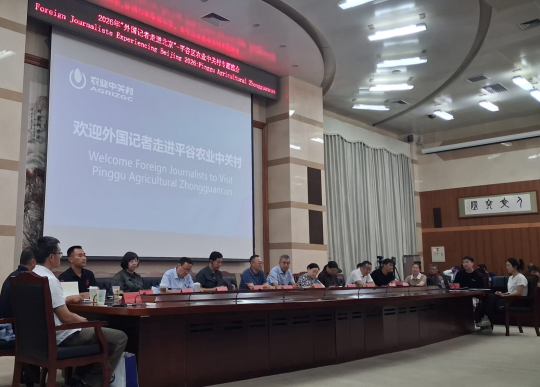
WOD Chen-Long, a major Chinese poultry company, is planning to expand its business in the Association of Southeast Asian Nations (ASEAN) region as its global poultry business grows. Speaking to international media in Beijing's Pinggu District, Wu Guiqin, Vice President of the company, stated that over the past five decades since its founding in 1975, WOD Chen-Long has evolved into a global provider of poultry breeding, vaccines, and integrated animal health solutions. The company shifted its focus to independent research and development in 2000 and now operates one of China's largest poultry biotechnology businesses. It has developed the "Smart Layer" digital management platform, which serves about 70 percent of China's poultry farms, while maintaining 150,000 pedigree breeding lines and 550,000 sets of grandparent breeding stock. WOD Chen-Long holds about 60 percent of China's poultry breeding market, with its Jing layer hens and WOD broiler breeds widely used across the industry. Internationally, WOD Chen-Long has exported more than 72,300 sets of parent breeding chicks, 270,000 parent-stock hatching eggs, and 830,000 commercial hatching eggs, supplying markets across Africa, Central Asia, and Southeast Asia. According to Vice President Wu, the company has already established business partnerships in Laos, Cambodia, and Myanmar, and plans to expand into Vietnam, Thailand, Malaysia, and Indonesia. Beyond breeding stock, the company also exports poultry vaccines, feed premixes, and integrated health management systems to support sustainable poultry production. With revenue projected to reach 1.83 billion yuan (about US$255 million) in 2025, WOD Chen-Long is continuing to invest in vaccine development and biological technologies to strengthen food security and promote international agricultural cooperation. Laos, with its deep economic ties with China and ongoing infrastructure development under the Belt and Road Initiative, could see its poultry industry develop, potentially contributing to the nation's food self-sufficiency and rural income growth. However, the country continues to face economic challenges, with a need to manage external debt and diversify its economy. While investment from Chinese companies like WOD Chen-Long may bring economic growth opportunities, concerns also exist regarding the impact on domestic industries and increased economic dependence on China. Source: KPL Laos News
多角的分析
WOD Chen-LongのASEAN、特にラオスへの事業拡大は、同社にとって新たな市場開拓と収益源の多様化をもたらす。ラオス経済にとっては、鶏肉産業の近代化、雇用創出、食料安全保障の強化につながる可能性がある。しかし、ラオスは依然として債務問題や経済構造の脆弱性を抱えており、中国企業への依存度が高まるリスクも伴う。同社の技術導入やサプライチェーンへの組み込みが、ラオス国内の関連産業にどのような影響を与えるかが注目される。また、同社が掲げる「食料安全保障の強化」は、グローバルな食料供給網におけるラオスの位置づけにも影響を与える可能性がある。
WOD Chen-LongのASEAN市場への積極的な進出は、同社の成長戦略の重要な一部と見られる。ラオスを含む新興市場は、高い成長ポテンシャルを秘めている一方で、インフラ、法規制、市場の透明性といった面で投資リスクも存在する。投資家としては、同社の技術力、市場シェア、そしてASEAN各国との関係構築能力を評価する必要がある。特に、ラオスのような国では、現地のパートナーシップや政府との連携が事業成功の鍵となるだろう。同社の収益予測(2025年に約2億5500万米ドル)は野心的であり、その達成にはASEAN市場での確固たる地位確立が不可欠となる。
WOD Chen-Longのラオス進出は、食料生産の近代化と食料安全保障の向上に寄与する可能性がある。これにより、ラオス国民はより安定した鶏肉供給を受けられるようになるかもしれない。しかし、大規模な事業展開は、小規模農家との競争や、環境への影響、労働条件といった社会的な課題も引き起こす可能性がある。特に、中国企業との取引が増える中で、ラオスの伝統的な農業コミュニティや食文化への影響も懸念される。また、デジタル管理プラットフォームの導入は、農家の技術習得や情報格差といった問題も生じうる。
WOD Chen-Longのラオス進出は、一部のラオス市民にとっては、より安価で安定した鶏肉の供給につながる可能性がある。また、農業分野での新たな雇用機会が生まれることも期待される。しかし、国内の小規模養鶏農家にとっては、大規模な外資系企業との競争が激化し、生計が脅かされる可能性もある。さらに、中国企業との取引が増えることで、食料の安全性や品質管理に関する懸念が生じる可能性も否定できない。ラオス政府が、国民の生活向上と国内産業保護のバランスをどのように取るかが注目される。
背景・歴史的文脈
ラオスは社会主義一党体制の国であり、経済発展のためには外国からの投資が不可欠である。特に中国は、インフラ開発(鉄道、ダムなど)を中心にラオスへの投資を拡大しており、ラオス経済は中国への依存度を高めている。鶏肉産業のような農業分野への進出は、食料安全保障の強化と経済多角化を目指すラオス政府にとって歓迎される可能性がある。しかし、中国企業による投資は、国内産業への影響や、債務問題の深刻化といった課題も指摘されている。WOD Chen-LongのASEAN拡大計画は、こうしたラオスの経済的文脈の中で理解する必要がある。
原文ソース
KPL Laos News