Hanoi Offers Free Buses for a Year as it Launches First Low-Emission Zone
Infrastructure
2026年7月2日
5
VnExpress International

Hanoi Offers Free Buses for a Year as it Launches First Low-Emission Zone

AI サマリー

Hanoi, Vietnam's capital, is launching its first low-emission zone (LEZ) to combat air pollution. From July 2026, public bus services within the zone will be free for one year, encouraging residents to shift to public transport. Traffic restrictions on certain vehicles will also be implemented.

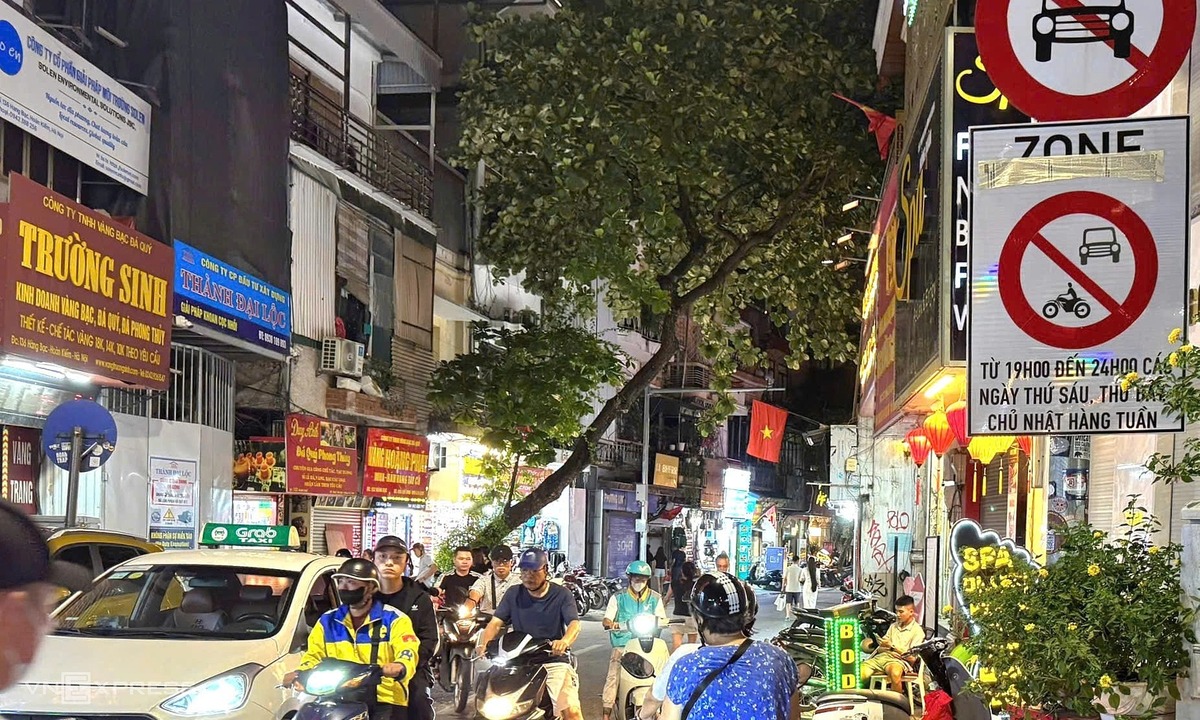
Hanoi's municipal Department of Construction announced a plan to introduce the city's first low-emission zone (LEZ) to improve air quality. The plan includes traffic restrictions, designated parking areas, public bus services, and public bicycle stations to help residents adjust their travel routes and access alternative transport options. The first phase will be piloted from July 1 to December 31, 2026, in zones 1 and 2 of Hoan Kiem Ward. Zone 1, encompassing the Hoan Kiem Lake pedestrian area, Hanoi Old Quarter, and weekend night market, will continue to operate as a pedestrian zone. Motorcycles, motorbikes, and all cars, except those operated by the Ministries of National Defense and Public Security, will be prohibited from entering between 7 p.m. and midnight every Friday, Saturday, and Sunday. Zone 2, covering the Old Quarter and the Hoan Kiem Lake area within Ring Road 1, will impose restrictions on fossil fuel-powered passenger vehicles with more than 16 seats, excluding buses and school buses. These vehicles will be banned during morning and evening peak hours from 6 a.m. to 9 a.m. and from 4 p.m. to 7:30 p.m. daily, while stopping and parking along surrounding roads will also be prohibited during the same periods. To facilitate passenger transfers, the city will establish four designated pick-up and drop-off points for large passenger vehicles during restricted hours. Fossil fuel-powered trucks will continue to operate under existing regulations issued by the Hanoi People's Committee. Signage marking a street in the low-emission zone (LEZ) pilot on Hang Bac Street in Hanoi. Photo by VnExpress/Giang Huy To support this pilot, the municipal Department of Construction has coordinated with local authorities to review and arrange 220 parking facilities. It has also worked with the city police and relevant wards to install 44 public bicycle stations with 456 bicycles in Hoan Kiem and Cua Nam wards. In addition, the department plans to develop several park-and-ride sites connected to public transport, enabling commuters to leave private vehicles outside the restricted area and continue their journeys by bus or urban rail. The city will also offer free travel on subsidized public bus services within Ring Road 1 from July 1, 2026, to June 30, 2027, under a resolution adopted by the municipal People's Council. Commercial and tourist buses are not covered by the policy. As of July 1, 45 bus routes operate within Ring Road 1, including 29 with terminals located inside the zone and 16 passing through it. The municipal Department of Construction has requested the Hanoi Police to coordinate with local authorities in directing traffic, strengthening enforcement against traffic and parking violations, and expanding surveillance camera coverage at key intersections and transfer points. Ward-level authorities have also been asked to ensure security at parking facilities and identify additional locations suitable for parking and transfer hubs linked to public transport, helping residents travel conveniently into the low-emission zone. Subsidiary of VnExpress License number: 71/GP-CBC, Ministry of Information andCommunications, September 22, 2021 Editor-in-Chief: Pham Van Hieu Email: [email protected]: 028 7300 9999 - Ext 8556 10th floor, Block A FPT Tower, 10 Pham Van Bach, Cau Giay Ward, Hanoi

多角的分析

経済的影響

ハノイ市の低排出ゾーン導入は、公共交通機関への移行を促すことで、長期的に燃料消費と大気汚染関連の医療費を削減する可能性がある。1年間のバス無料化は、市民の初期負担を軽減し、公共交通の利用習慣を定着させるための直接的な経済的インセンティブとなる。しかし、無料化によるバス運行コストの増加分は、市の財政負担となる。また、自動車利用の制限は、短期的には一部の商業活動(例:物流、タクシー)に影響を与える可能性があるが、長期的には環境改善による観光客増加や、より持続可能な都市経済への転換を促進することが期待される。ベトナム経済全体としては、環境技術への投資や、よりクリーンな産業へのシフトを促す触媒となりうる。

投資家心理

この政策は、公共交通機関、特にバス事業者への投資機会を増加させる可能性がある。1年間の無料化は、バス利用者の増加を確実にするための短期的な戦略であり、その後の運賃収入の安定化が投資家にとって重要な判断材料となる。また、低排出ゾーンへの対応として、電気自動車(EV)やハイブリッド車の普及を促進するインフラ(充電ステーションなど)への投資も期待できる。一方で、化石燃料車への依存度が高い産業や、旧市街での商業活動を行う企業にとっては、短期的なリスク要因となりうる。長期的な視点では、持続可能な都市開発への投資が、新たなビジネスチャンスを生み出す可能性がある。

社会的影響

ハノイ市が導入する低排出ゾーンと公共バスの無料化は、市民の日常生活に直接的な影響を与える。特に、ホアンキエム区のような中心部での交通規制は、自動車やバイクに依存する市民の移動手段を一時的に制約する。しかし、1年間のバス無料化は、経済的負担を軽減し、公共交通の利用を促進することで、多くの市民、特に低所得者層にとって恩恵となる。これにより、大気汚染の改善が期待され、市民の健康増進につながる可能性がある。公共自転車ステーションの設置も、近距離移動の選択肢を増やし、健康的なライフスタイルを奨励する。この政策は、都市部における環境意識の高まりと、より持続可能な生活様式への転換を促す象徴的な一歩となるだろう。

市民の声

ハノイ市民、特にホアンキエム区や旧市街に住む人々は、交通規制の変更に直面する。週末の夜間、特定の車両が歩行者専用エリアや一部道路から締め出されるため、自家用車での移動が制限される。しかし、2026年7月から1年間、環状道路1号線内の公共バスが無料になることは、多くの市民にとって朗報だ。これは、毎日の通勤や移動にかかる費用を節約できるだけでなく、公共交通機関の利用を促す機会となる。公共自転車の利用も、近距離移動の新たな選択肢として期待される。全体として、この政策は、大気汚染の改善という公共の利益のために、市民の移動習慣に変化を求めるものと言える。

背景・歴史的文脈

ベトナムは急速な経済成長に伴い、都市部での大気汚染が深刻な問題となっている。特にハノイやホーチミン市では、自動車・バイクの急増、産業活動、建設ラッシュなどが原因で、PM2.5などの有害物質濃度が高い水準で推移することが多い。これに対し、ベトナム政府は環境保護と持続可能な都市開発を政策課題として掲げ、国際社会や他国の先進事例を参考に、大気汚染対策や交通インフラ整備を進めている。今回のハノイ市における低排出ゾーンの導入と公共バスの無料化は、こうした背景を踏まえ、市民の意識改革と行動変容を促し、よりクリーンな都市交通システムへの移行を目指す具体的な取り組みと言える。

原文ソース

VnExpress International

原文を読む