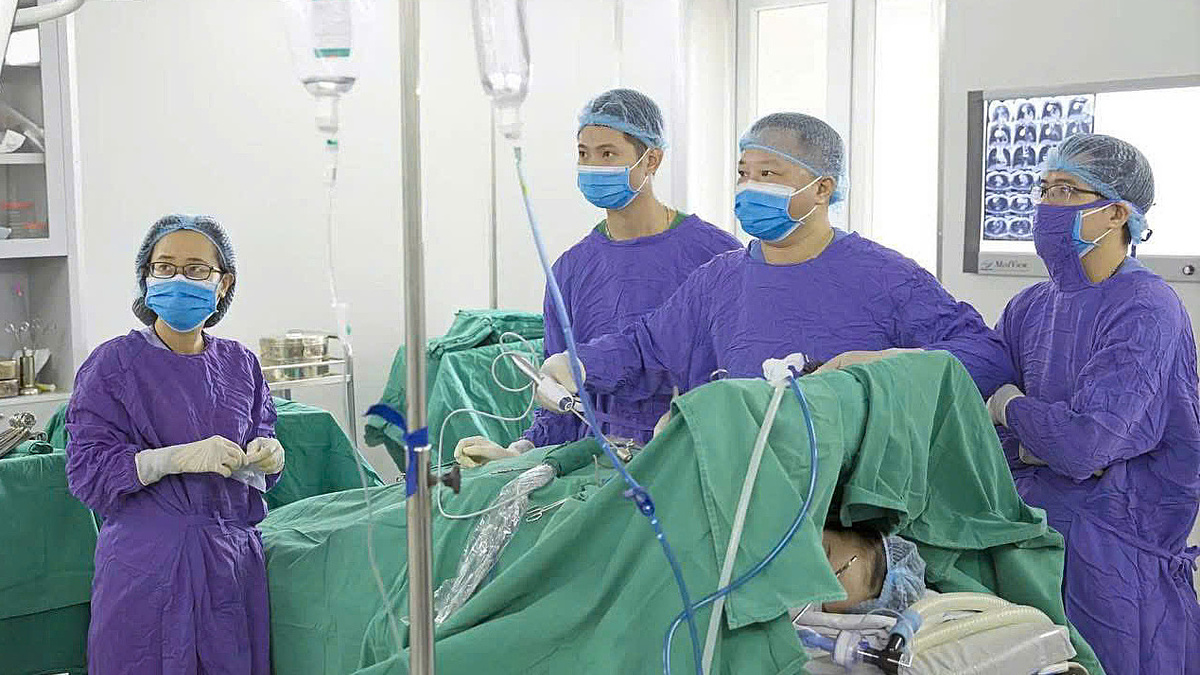
Hanoi Aims to Become High-Quality Medical Tourism Hub in Southeast Asia
Culture
2026年7月5日
8
VnExpress
Relations
🇻🇳Vietnam🇹🇭Thailand🇲🇾Malaysia🇸🇬Singapore

Hanoi Aims to Become High-Quality Medical Tourism Hub in Southeast Asia

AI サマリー

Hanoi, Vietnam's capital, has announced a strategy to become a medical tourism hub in Southeast Asia, leveraging its specialized doctors and advanced medical facilities. This move is part of Vietnam's broader economic growth strategy to expand into high-value-added service sectors.

Hanoi is aiming to become a high-quality medical tourism hub in Southeast Asia, leveraging its advanced hospitals, renowned specialists, and new special mechanisms. Dr. Nguyen Dinh Hung, Deputy Director of the Hanoi Department of Health, stated, "Many countries like Japan, South Korea, Singapore, and Thailand have successfully developed medical tourism as a high value-added economic sector. Hanoi is assessed to have all the conditions to join this race." Hanoi is the largest medical center in Vietnam, gathering the essence of Vietnamese medicine, from spearhead techniques like organ transplantation, cardiology, oncology, and assisted reproduction to rehabilitation and traditional medicine. This represents an invaluable resource for developing medical tourism. Beyond medical expertise, Hanoi also boasts a rich cultural heritage, improving transportation infrastructure, and favorable international connectivity, forming a foundation for developing models that combine medical treatment with leisure and resort experiences. Examples from the region highlight the economic impact: Thailand generates $600-700 million annually from low-cost heart and cosmetic surgeries ($25,000-30,000 USD compared to $100,000 USD in the US). Malaysia's medical services, 30-50% cheaper, brought in $1.7 billion, boosting its economy and investment. South Korea's cosmetic surgery and cancer treatment generated $4.3 billion, while promoting K-pop culture. Japan's onsen tourism and cancer treatment created $13 billion in revenue, preserving culture and developing local economies. In Vietnam, the trend of international visitors combining tourism and conferences with medical check-ups and treatment is growing. The Vietnamese medical tourism market size reached $700 million in 2024 and is projected to hit $4 billion by 2033. According to the Department of Health leadership, the period 2026-2030 will unlock new opportunities with the implementation of special mechanisms, including the Capital Law 2026 and Politburo resolutions on scientific, technological, and medical development. To achieve its goal, Hanoi has identified five key groups of solutions. These include building a network linking central hospitals, ministry-affiliated hospitals, and public and private facilities for integrated services. Developing medical products in areas of strength such as oncology, cardiology, dentistry, cosmetic surgery, stem cells, traditional medicine, and elderly care is also a priority. Furthermore, Hanoi plans to accelerate digital transformation, build smart hospitals, and apply AI and electronic health records to enhance the experience for both domestic and international patients. An ecosystem linking hospitals with travel agencies, airlines, hotels, insurance companies, and translation services is also being formed. Dr. Hung emphasized, "When patients choose to come to Hanoi not just to visit a thousand-year-old capital but also to place their trust in the quality of medical examination, healthcare, and rehabilitation, that will be the measure of the capital's healthcare success in the new era." Dương Huy Lương, Deputy Director of the Department of Medical Examination and Treatment Management (Ministry of Health), advised Hanoi to concretize its medical tourism development program, gradually establish criteria for facilities serving international patients, and resolve issues related to pricing, autonomy, and international insurance payments within its authority. Delegates also noted that Hanoi still needs to address bottlenecks such as coordination between hospitals and tourism businesses, interconnected information systems, international payments, language barriers, and brand building. Only by forming a closed ecosystem encompassing medical treatment, accommodation, transportation, insurance, and support services can Hanoi compete with leading medical tourism centers in the region and gradually assert its position on the global healthcare map.

多角的分析

経済的影響

ハノイが医療観光ハブを目指す動きは、ベトナム経済のサービス産業へのシフトと、高付加価値分野への投資拡大というマクロ経済的トレンドと一致しています。近隣諸国が医療観光で成功している事例(タイ、韓国、日本)を参考に、ベトナムは医療インフラの強化、専門人材の育成、そして国際的なサービス基準の向上を通じて、新たな収益源の確保と外貨獲得を目指しています。これは、製造業中心からサービス業への構造転換を図るベトナムの長期的な経済戦略の一環であり、医療分野における国際競争力の強化は、国の経済的多様化に貢献すると考えられます。

投資家心理

医療観光ハブ化は、国内外の投資家にとって新たなビジネスチャンスをもたらします。特に、高度医療技術、スマートホスピタル、AIを活用した医療システム、そして医療ツーリズムを包括するサービスエコシステム(旅行、宿泊、保険など)への投資が期待されます。ベトナム政府が打ち出す特別メカニズムや、2026年施行予定の首都法などが、投資環境の整備にどの程度寄与するかが注目点です。しかし、言語の壁、国際決済システムの未整備、ブランド構築の課題などが、投資リスクとして残ると考えられます。成功すれば、医療関連企業だけでなく、関連サービス産業への波及効果も大きいでしょう。

社会的影響

ハノイの医療観光ハブ化は、国民の医療アクセスにも影響を与える可能性があります。国内患者向けの医療サービスが優先されるか、あるいは国際患者向けに特化することで、国内患者の待ち時間増加や医療費の高騰を招く懸念も指摘されています。一方で、高度医療技術の導入や専門医の育成は、結果的に国内の医療水準全体の向上につながる可能性もあります。また、外国人患者の受け入れは、多文化理解や国際交流の促進に寄与する一方で、言語や文化の違いから生じる摩擦の可能性も考慮する必要があります。特に、地方からハノイへ高度医療を求めて来る人々への影響も無視できません。

市民の声

ハノイの医療観光ハブ化という目標は、市民にとって、より高度で質の高い医療サービスを受けられる機会が増えるという期待感をもたらす一方、国内の医療リソースが外国人患者に優先的に割り当てられるのではないかという懸念も生じさせています。例えば、がん治療や心臓手術のような専門的な治療を求める市民が、外国人患者の増加によって予約が取りにくくなったり、医療費が上昇したりする可能性が考えられます。また、医療ツーリズムの発展に伴い、ホテルや航空券などの関連サービスの価格が上昇し、市民の生活費に影響を与えることも懸念されます。しかし、医療技術の進歩や、国際的な医療基準の導入は、長期的には市民全体の医療の質向上に繋がる可能性も秘めています。

背景・歴史的文脈

ベトナムは、1986年のドイモイ(刷新)政策以降、市場経済化を進め、製造業を中心に目覚ましい経済成長を遂げてきました。近年、政府は経済構造の高度化を目指し、サービス産業、特に観光業やヘルスケア分野への投資を強化しています。東南アジア諸国(タイ、シンガポール、マレーシアなど)が医療観光で既に成功を収めていることから、ベトナムもその潜在能力に着目し、首都ハノイを地域的なハブとして育成する戦略を打ち出しました。これは、単なる経済成長だけでなく、国の国際的なイメージ向上やソフトパワー強化を狙った、多角的な国家戦略の一環と言えます。

原文ソース

VnExpress

原文を読む