S&P Affirms Indonesia's Credit Rating, Sustaining Investor Confidence
S&P Global Ratings has affirmed Indonesia's long-term foreign currency debt rating at 'BBB' with a stable outlook, reflecting the resilience of the Indonesian economy amidst global uncertainties. This investment-grade rating is crucial for maintaining international investor confidence and attracting foreign investment.
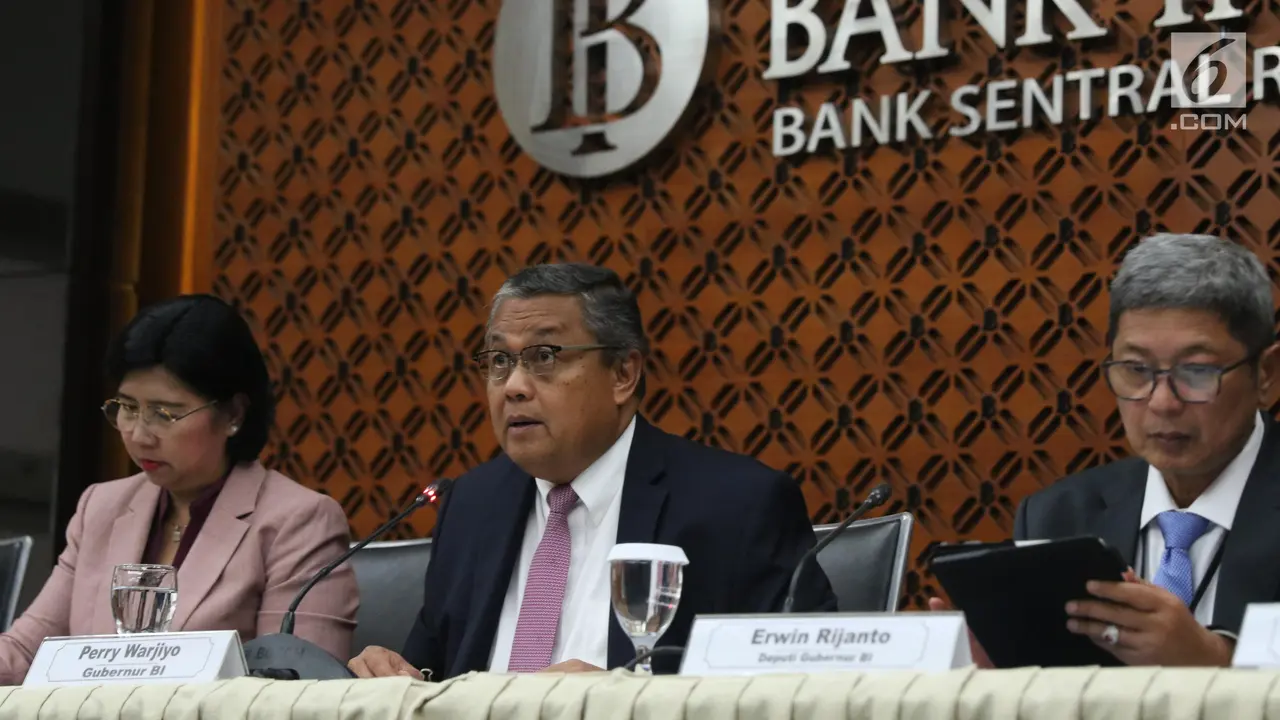
International rating agency S&P Global Ratings has maintained Indonesia's long-term foreign currency debt rating at 'BBB' with a stable outlook. This decision signifies that Indonesia remains in the investment-grade category amidst high global economic uncertainty. In its report released on July 13, 2026, S&P assessed that the weakening of several of Indonesia's fiscal and external indicators is temporary. The situation is expected to improve as government policies become clearer and various economic programs are implemented. The stable outlook also reflects S&P's confidence that state revenue will continue to recover this year. Meanwhile, export revenues are projected to increase with the improvement in global commodity prices. S&P also views government policies aimed at increasing state revenue and strengthening natural resource exports as supportive factors for improving fiscal conditions in the medium term. However, the agency notes that the effectiveness of policy implementation and regulatory certainty remain crucial. Furthermore, S&P believes the government remains committed to keeping the state budget deficit below 3% of GDP, thus safeguarding Indonesia's fiscal sustainability. S&P indicated that the potential for an upgrade in Indonesia's debt rating remains open if the strengthening of economic fundamentals continues. From a fiscal perspective, a sustained reduction in the budget deficit through increased state revenue, lower financing costs, and exchange rate stability could drive an upgrade. On the external front, the rating agency assesses that Indonesia needs to continuously improve indicators such as a reduction in foreign debt and gross external financing needs. Bank Indonesia Governor Perry Warjiyo welcomed S&P's decision. "S&P's affirmation of Indonesia's sovereign credit rating at BBB with a stable outlook reflects the sustained confidence of international stakeholders in Indonesia's macroeconomic stability and solid economic growth prospects," he stated in a written release on Tuesday (14/7/2026). He added, "This is supported by the synergy of close policy mix between the Government and Bank Indonesia in strengthening stability and driving domestic economic growth amidst high global uncertainty." Bank Indonesia reiterated its commitment to continuously strengthening its monetary, macroprudential, and payment system policy mix to maintain economic stability while supporting sustainable growth. Policy coordination with the government will also be enhanced, particularly the synergy between monetary and fiscal policies to mitigate the impact of global uncertainties, including the escalation of Middle East conflicts, on the national economy. Moreover, Bank Indonesia, along with the Financial System Stability Committee (KSSK), will continue to strengthen coordination to maintain financial system stability and support the financing of various government priority programs, including Asta Cita. For context, S&P had previously maintained Indonesia's debt rating at BBB with a stable outlook on July 29, 2025. This latest decision extends Indonesia's track record as an investment-grade country, which is considered important for maintaining global investor confidence and supporting investment flows into the country. Source: Liputan6
多角的分析
S&Pによるインドネシアの格付け維持は、同国の経済が短期的な指標の悪化にもかかわらず、構造的な強靭さを保っていることを示唆しています。特に、歳入の回復と輸出収入の増加予測は、商品価格の動向に依存するものの、経済の底堅さを示しています。政府が財政赤字をGDP比3%未満に抑えるコミットメントは、財政の持続可能性を確保する上で重要であり、これはIMFなどの国際機関が重視する指標です。しかし、S&Pが指摘する政策実行の効果と規制の確実性は、今後の経済成長の鍵となります。特に、自然資源セクターへの依存度が高いインドネシア経済において、輸出収入の安定化と対外債務の管理は、格付けをさらに引き上げるための重要な課題であり、これは過去の多くの新興国が直面してきた構造的な問題でもあります。
インドネシアの格付けが投資適格級(BBB)で維持されたことは、国際投資家にとって引き続き魅力的な投資先であることを意味します。安定した見通しは、予測可能性を高め、リスク回避的な投資家層にも安心感を与えます。これは、インドネシアが発行する国債の利回りを抑制し、政府および企業の資金調達コストを低く抑える効果があります。一方で、S&Pが指摘する「政策実行の効果と規制の確実性」が不十分な場合、投資家は慎重な姿勢を維持する可能性があります。特に、地政学的なリスクや世界経済の減速が顕著になった場合、インドネシアのような新興国市場への投資は、よりリスクの高いものと見なされる可能性があります。日本企業にとっても、安定した格付けは、インドネシアへの直接投資や貿易金融の判断材料として重要です。
S&Pの格付け維持は、直接的な市民生活への影響は限定的かもしれませんが、間接的には経済の安定を通じて雇用機会やインフラ整備への財政的余力を維持することにつながります。しかし、S&Pが指摘する「政策実行の効果と規制の確実性」が低い場合、国内のビジネス環境が不安定になり、それが雇用創出の遅れや物価上昇圧力につながる可能性があります。また、政府が財政赤字を抑制する一方で、社会福祉や教育、医療といった公共サービスへの投資が十分に行われるかどうかも、市民生活の質に直結する課題です。特に、地方と都市部、あるいは経済的格差の大きい層の間で、恩恵の偏りが生じる可能性も考慮する必要があります。S&Pが言及する「Asta Cita」のような優先プログラムへの資金調達が円滑に進むことは、社会インフラの改善に期待が持てます。
S&Pの格付け維持は、インドネシア国民にとって、経済の安定が続くことへの安心材料となります。これは、雇用機会の維持や、インフレの抑制につながる可能性があります。特に、世界経済が不確実な状況下では、投資適格級の維持は、海外からの投資を呼び込み、経済成長を支える上で重要です。しかし、格付けが維持されたからといって、すぐに生活が劇的に改善するわけではありません。S&Pが指摘する政策実行の有効性や規制の確実性といった課題が解決されなければ、国民が実感できるような経済的恩恵は限定的になる可能性があります。また、政府が財政赤字を抑制する一方で、社会インフラや公共サービスへの投資が十分に行われるかどうかも、国民生活の質に影響を与える重要な要素です。
背景・歴史的文脈
インドネシアのソブリン・クレジット・レーティングは、長年にわたり投資適格級を維持してきました。これは、1997-98年のアジア通貨危機以降、インドネシア政府が財政規律の強化と経済構造改革に取り組んできた成果です。特に、2000年代以降、S&P、ムーディーズ、フィッチといった主要格付け機関は、インドネシアの格付けを段階的に引き上げてきました。2011年にはS&Pが投資適格級(BBB-)に引き上げ、その後も安定した見通しを維持しています。今回の格付け維持は、世界経済の不確実性が高まる中で、インドネシア経済の底堅さを示すものですが、同時に、天然資源への依存度、インフラ整備の遅れ、規制の不確実性といった構造的な課題も依然として残っています。これらの課題への対応が、今後の格付けの動向を左右する要因となります。
原文ソース
Liputan6