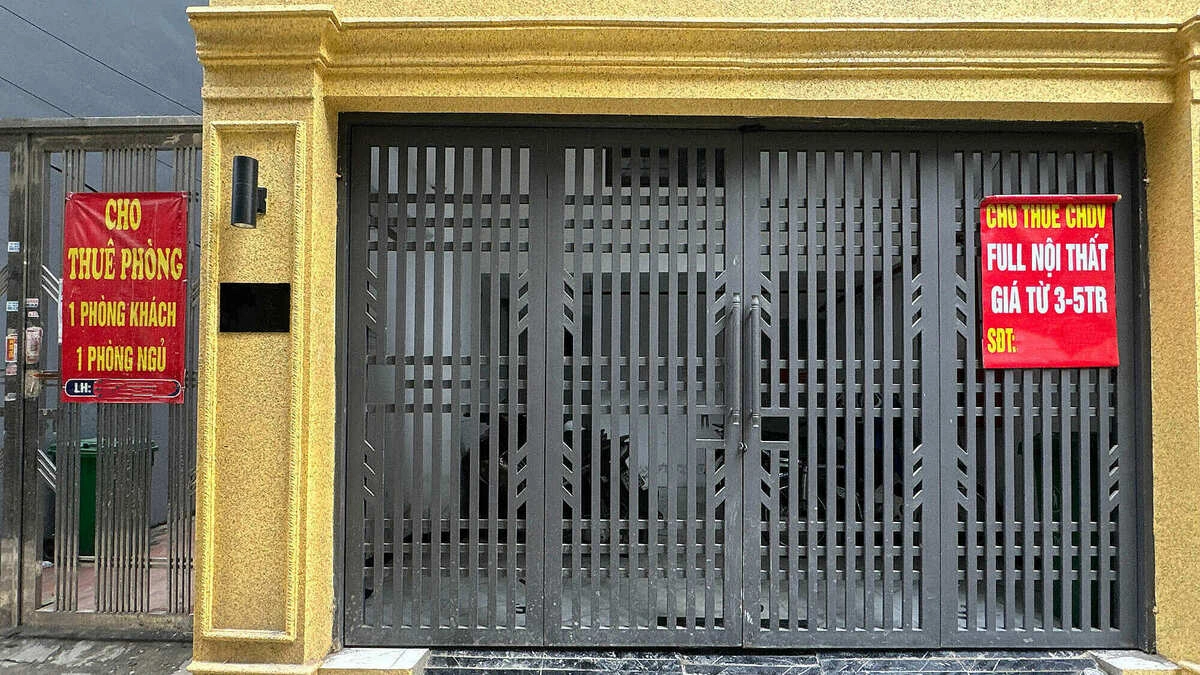
Hanoi's Mini-Apartments Face Vacancy Woes Amidst Surging Supply
Mini-apartments in Hanoi are struggling to attract tenants due to oversupply and rising rental prices. Many new buildings report vacancy rates exceeding 20%, even with full furnishings. Economic downturns and reduced spending power are exacerbating the situation, forcing tenants to seek more affordable options.
Hanoi's mini-apartment market is facing a significant downturn, with numerous buildings struggling to attract tenants. This surge in vacancies is attributed to an oversupply of units and rising rental prices, compounded by economic pressures impacting people's spending power. Hung, a 40-year-old owner of a mini-apartment building in Dinh Thon, Đình Thôn, reports that 20-25% of his 20 units have remained empty for over three months. Despite being fully furnished with essential appliances, rental rates for his 20-28 sqm units range from VND 4.2 to 6.5 million per month. The situation is exacerbated by the recent completion of 3-4 new mini-apartment buildings in his vicinity, intensifying competition. However, Hung finds it difficult to lower rents due to rising loan interest rates. Similar challenges are observed in the My Dinh area. Huyen, 32, manages a six-story mini-apartment building that has struggled to fill its rooms for nearly a year. Since the second quarter, her vacancy rate has increased by 15%. She attributes the problem to a mismatch between the influx of new supply and the tenants' reduced ability to afford higher rents. Nguyen Tuan Anh, a manager at a real estate brokerage, notes that nearly a dozen newly handed-over buildings in My Dinh have sought his agency's help, but most remain unfilled after months. He cites the off-season, high rental prices, and a growing trend of tenants considering shared living arrangements to manage costs. Data from the online real estate platform Batdongsan shows a 3% month-on-month increase in mini-apartment rental listings as of June. Despite declining interest, rental prices have risen by 3.4% year-on-year, contributing to the overall increase in the Consumer Price Index (CPI), with the rental housing price index up by 6% in the second quarter. Pham Duc Toan, CEO of EZ Property, explains that while mini-apartment investments were once highly lucrative, the current market is characterized by an oversupply of new units and tenants tightening their budgets due to economic uncertainties. He points out that tenants now have more choices, including commercial apartments and serviced housing with better amenities and security. Vo Hong Thang, Deputy General Director of DKRA Consulting, echoes this sentiment, stating that rental prices in many central areas have reached a saturation point. With many young workers' incomes not keeping pace, they are opting for shared housing or relocating to areas further from the center to save costs. He believes the market has shifted from a supply-driven to a quality-driven competition phase. In response, the Ministry of Construction has proposed that local authorities develop support mechanisms and guidelines for technical standards and fire safety for multi-story, multi-unit rental housing (mini-apartments). Enhanced environmental hygiene and public order inspections are also being considered. Source: VnExpress
多角的分析
ベトナム経済は、世界的なインフレと金融引き締めの影響を受け、国内消費の低迷が顕著になっている。特に、若年層や低所得者層は、生活必需品への支出を優先するため、住居費の負担を軽減しようとする動きが強まっている。ミニマンションの高止まりした賃料は、こうした層の可処分所得を圧迫し、結果として空室率の上昇を招いている。これは、不動産市場だけでなく、関連消費財市場にも波及する可能性があり、短期的な景気回復の足かせとなる懸念がある。
ミニマンション投資は、過去数年間、高い賃貸収益が見込めるとして個人投資家の間でブームとなっていた。しかし、現在の供給過剰と需要低迷は、投資回収期間の長期化を招き、投資家にとって大きなリスクとなっている。特に、高金利環境下でレバレッジをかけた投資家は、キャッシュフローの悪化に直面する可能性が高い。今後は、立地や物件の質、管理体制といった物件本来の競争力が問われ、収益性の低い物件は売却や賃料の大幅な引き下げを余儀なくされるだろう。
ミニマンションの空室率上昇は、賃借人を求めるオーナーだけでなく、住居を探す人々にも影響を与えている。かつては手頃な価格で都心近郊に住む選択肢であったミニマンションが、高騰する賃料のために、かつての魅力の一部を失いつつある。例えば、Duy Tân地区で働く Đức Thịnh氏のように、職場近くで手頃な部屋を見つけられず、友人たちと郊外のより広いアパートを借りるという選択をせざるを得ないケースがある。これは、通勤時間の増加や生活コストの再計算を強いることになり、都市部での生活の質に影響を与える可能性がある。また、オーナー側も、空室が続けばローン返済に窮するリスクに直面しており、経済的な不安が広がっている。
ミニマンションの空室問題は、単なる不動産市場の現象に留まらず、市民の生活に直接的な影響を与えている。多くのミニマンションオーナーは、ローン返済のために賃料収入に依存しているが、空室が続けば経済的な困窮に陥る。一方、賃借人を求めている層は、依然として高騰する賃料に苦慮している。例えば、Duy Tân地区で働く Đức Thịnh氏のように、職場近くで手頃な部屋が見つからず、仕方なく郊外のより広いアパートを借り、通勤時間を増やすことを余儀なくされている。これは、都市部での生活コストの増加と、通勤時間の浪費という二重の負担を市民に強いている。また、ミニマンションの増加は、法規制の緩い状況下での建築が背景にあり、将来的な安全基準や住環境の悪化といった懸念も指摘されている。
背景・歴史的文脈
ベトナムでは、都市部への人口流入が続き、特にハノイやホーチミン市では住宅需要が旺盛だった。その中で、比較的低コストで建設・運営が可能な「ミニマンション」が、個人投資家にとって魅力的な投資対象となった。手頃な価格で都市部近郊に住めるという利点から、多くの若年労働者や単身者にとって人気の選択肢となっていた。しかし、近年の経済成長鈍化、世界的なインフレ、そして金利上昇が、借り手の購買力を低下させ、同時に建設コストの上昇やローン金利の増加がオーナーの負担を増大させた。これにより、かつては順調だったミニマンション市場は、供給過剰と需要低迷のジレンマに陥っている。
原文ソース
VnExpress