Angkor Authorities Mandate Ban on Thai Fabrics for Traditional Costumes by 2027
Cambodia's Apsara Authority has announced a ban on the use of Thai fabrics for traditional costumes rented at the Angkor site, effective by 2027. This measure follows concerns that many costumes deviate from their original Khmer styles. Entry with non-compliant traditional attire will be prohibited from July 13, 2026.
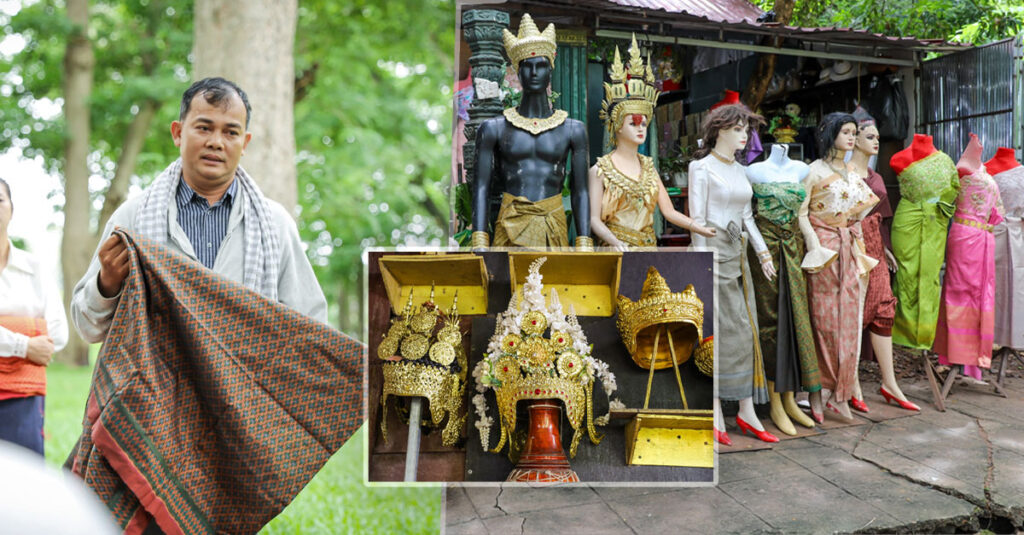
The Apsara Authority has instructed businesses providing traditional costume rental services around the Angkor site to respect Khmer styles and cease the use of imported fabrics from Thailand by 2027. This directive comes after it was discovered that many of the traditional costumes available for rent deviate significantly from their original forms. Starting July 13, 2026, tourists wearing traditional costumes that do not adhere to the correct Khmer styles will not be permitted to enter the Angkor resort. On July 13, 2026, the National Apsara Authority, in collaboration with the Siem Reap Provincial Department of Culture and Fine Arts, local authorities, and heritage police, held a meeting with business operators who provide traditional Khmer clothing rental and decoration services for tourists within the Angkor resort area. The meeting aimed to enhance the understanding of business operators who provide rental and decoration services for traditional Khmer clothing, ensuring they have a clear grasp of the styles and standards of ancient Khmer attire, and can distinguish between garments that represent Khmer identity and those influenced by foreign cultures. Mr. Chan Sophon, an official from the Fine Arts Office of the Siem Reap Provincial Department of Culture and Fine Arts, who specializes in Khmer ancient art and has researched Khmer clothing for many years, stated that approximately 70% of the traditional costumes rented to tourists in front of Angkor Wat have been modified from their original designs. He specifically noted the use of imported fabrics and jewelry from Thailand, which he described as a complete departure from Khmer national identity and culture, akin to serving foreign cultures. He explained that wearing traditional Khmer attire requires the use of Khmer-made fabrics and jewelry, adhering to the standards and social status of ancient times, without altering the original forms. Ancient Khmer clothing was clearly defined according to social rank, from royalty down to ordinary citizens. For example, 'Hol' silk fabrics were for kings and queens; 'Luek' fabrics and leg jewelry were for wealthy individuals; and cotton fabrics were for common people. Concurrently, Mr. Chan Sophon urged all business operators to gradually make changes by switching to Khmer silk, 'Luek' jewelry, and other Khmer ornaments. This, he said, would enhance the value of local weavers' and jewelers' work and contribute to the preservation of Khmer culture. Mr. Tes Sothy, Deputy Director of the Tourism and Cultural Development Department of the National Apsara Authority, stated that the rental of some traditional costumes at the Angkor site that do not conform to original designs has faced continuous criticism and severely impacts Khmer cultural values. Therefore, the National Apsara Authority and the Provincial Department of Culture and Fine Arts have appealed to businesses renting traditional clothing or costumes to reduce and eventually stop the use of foreign-imported fabrics, especially cheap fabrics imported from Thailand. The National Apsara Authority has also stipulated that from July 13, 2026, traditional costumes that are modified from the original Khmer design, lack proper standards, or deviate from the original form will not be permitted for entry into Angkor. As for costumes using Thai fabrics, their use will be permanently terminated by January 2027. Source: Kampuchea Thmey Local
多角的分析
本件は、観光産業における文化的真正性の維持と経済的利益のバランスという、カンボジア経済が直面する課題を浮き彫りにしています。タイからの安価な生地の輸入は、短期的なコスト削減に貢献する一方で、国内の伝統工芸品産業(織物、宝飾品)の発展を阻害する可能性があります。今回の規制強化は、国内産業の育成と、文化遺産としてのアンコール遺跡のブランド価値向上を目指すものです。しかし、規制の実施には、国内生産能力の確保と、事業者への移行支援が不可欠となります。2027年という期限は、事業者にとって適応期間を与えるものですが、国内サプライチェーンの構築が遅れれば、代替生地の調達コスト上昇や、衣装レンタル事業者の収益悪化につながるリスクも否定できません。
アンコール遺跡周辺の観光関連事業者、特に伝統衣装レンタル業者は、今回の規制強化により、サプライチェーンの見直しを迫られます。タイからの安価な生地への依存度が高い事業者は、代替となるクメール製生地の調達コストや供給安定性を慎重に評価する必要があります。国内の織物業者や宝飾品業者にとっては、新たなビジネスチャンスが生まれる可能性がありますが、需要の増加に対応できる生産能力の確保が課題となります。投資家としては、長期的な視点で、カンボジア国内の伝統工芸品産業の発展ポテンシャルと、観光客の文化体験に対する意識の変化を注視する必要があります。文化遺産保護と観光収益の両立を目指すアプサラ機構の施策は、持続可能な観光モデルへの移行を示唆しており、関連企業への投資判断において、環境・社会・ガバナンス(ESG)の観点も重要になるでしょう。
アンコール遺跡で伝統衣装をレンタルする観光客の多くは、異文化体験を求めており、衣装の正確な歴史的様式よりも、見た目の華やかさや写真映えを重視する傾向があります。今回の規制は、こうした観光客の行動様式と、文化遺産保護という当局の意図との間に摩擦を生む可能性があります。本来のクメール様式に則った衣装は、一般的に製作コストが高くなるため、レンタル料金の上昇につながる恐れがあります。これにより、一部の観光客が衣装レンタルを敬遠し、結果として遺跡への訪問意欲が低下する可能性も考えられます。また、タイ製生地の禁止は、衣装の多様性を制限し、観光客の満足度を下げるという懸念も指摘されています。文化の真正性を守るという大義名分と、観光客の満足度、そして事業者への経済的影響との間で、バランスを取ることが喫緊の課題となります。
今回の規制は、アンコール遺跡周辺で伝統衣装のレンタル業を営む地元住民の生計に直接的な影響を与えます。タイからの安価な生地に頼って衣装を製作・レンタルしてきた事業者は、2027年までにクメール製の生地や装飾品に切り替える必要があります。クメール製の素材は一般的に高価であるため、衣装のレンタル料金が値上げされる可能性があります。これにより、観光客が衣装レンタルを控えるようになれば、事業者の収入が減少し、生活が苦しくなることが懸念されます。一方で、国内の織物職人や宝飾職人にとっては、需要の増加により収入が増える機会となります。しかし、需要の急増に生産が追いつかず、価格がさらに高騰する可能性も指摘されています。文化遺産保護という名目ではありますが、地元住民の生活への影響を最小限に抑えるための、当局による支援策が求められています。
背景・歴史的文脈
アンコール遺跡は、ユネスコ世界遺産に登録されており、カンボジア最大の観光資源です。近年、遺跡を訪れる観光客が増加する中で、伝統衣装を着用して記念撮影を行うことが人気となっています。しかし、その衣装の多くが、本来のクメール様式から逸脱し、特にタイ製の安価な生地や装飾品が使用されていることが問題視されてきました。これは、カンボジアの文化遺産としての価値を損なうだけでなく、国内の伝統工芸産業の発展を妨げる要因とも考えられてきました。アプサラ機構は、文化の真正性を保ち、国内産業を支援するため、2027年を目標に、タイ製生地の使用を全面的に禁止する方針を打ち出しました。これは、文化保護と経済発展の両立を目指すカンボジア政府の姿勢を示すものと言えます。
原文ソース
Kampuchea Thmey Local