Philippines Records Record Rice Imports in First Half
Economy
2026年7月9日
4
Philstar Business

Philippines Records Record Rice Imports in First Half

AI サマリー

The Philippines imported a record 2.75 million metric tons (MT) of rice in the first half of the year. This move aims to balance prices and supply amidst rising fuel and fertilizer costs, the impending El Niño, and ensure market stability. Government support for local farmers is also being implemented.

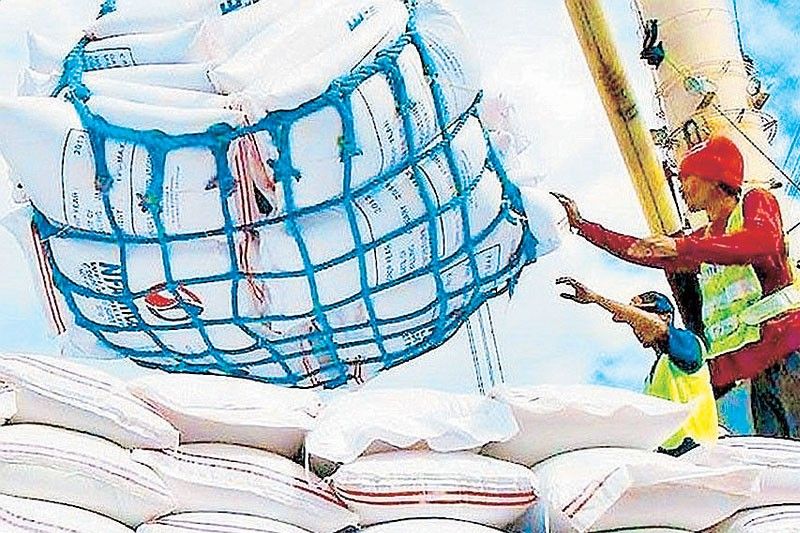
MANILA, Philippines — The country imported 2.75 million metric tons (MT) of rice in the first half, marking a record-high volume for the period, the Bureau of Plant Industry said. Latest BPI data showed that rice imports increased by 20.1 percent, or about 460,000 MT, during the first six months from 2.29 million MT in the same period last year. The January to June volume was the highest rice importation logged by the BPI in the first half since it began recording rice imports in 2019. Recent rice importations already account for more than half or 57 percent of the Department of Agriculture (DA)’s full-year projection of 4.8 million MT. DA Assistant Secretary and spokesperson Arnel de Mesa said the increase in import volume was intended to balance rice price and supply in the market, amid higher costs of fuel and fertilizers, along with the incoming El Niño weather event. De Mesa added that while rice imports increased by 20 percent, these challenges are creating issues in the country’s rice supply, raising the need for the market to respond to demand. “We also need a sufficient supply at a low cost, and we need to ensure the stability of our volume through the end of the year. That is why we are carefully balancing this to guarantee that prices won’t go up,” he told reporters in a press briefing. The DA also assured farmers that the government has implemented interventions to stop the decline in farmgate prices due to rising rice imports. He noted that the National Food Authority (NFA) would be implementing a higher buying price for locally grown palay or paddy rice during the incoming rice harvest season. The NFA earlier said it would impose a buying price of P22 per kilo for wet palay and P27 per kilo for dry palay once the rice harvest season begins in the third quarter. De Mesa said that the rice prices in the international market remain affordable, “it would be good for us to take advantage of the low price.” “We also need a sufficient supply at a low cost, and we need to ensure the stability of our volume through the end of the year. That is why we are carefully balancing this to guarantee that prices won’t go up,” he added. De Mesa stressed that any importation ban will be up to the agriculture secretary to recommend. The Philippines remains as the world’s top rice importer, according to the US Department of Agriculture, with estimates showing that foreign rice shipment could reach 5.7 million MT this year due to lower production and the incoming drought due to El Niño.

多角的分析

経済的影響

フィリピンの米輸入量が上半期で過去最高を記録した背景には、国内の農業生産を取り巻く構造的な課題と、国際市場の動向が複雑に絡み合っている。燃料・肥料価格の高騰は、国内生産コストを押し上げ、農家の収益性を圧迫している。これは、過去数年間の世界的なサプライチェーンの混乱や、地政学的な要因によるエネルギー価格の上昇が継続していることと関連する。さらに、エルニーニョ現象による干ばつリスクは、国内生産の不確実性を高め、供給不足への懸念を増幅させている。こうした状況下で、政府が輸入を拡大するのは、価格安定と供給確保という喫緊の課題に対応するためであるが、これは同時に国内農業の競争力強化という長期的な課題を先送りする側面も持ちうる。

投資家心理

フィリピンの記録的な米輸入は、農業関連企業や食品加工業者にとって、安定した原材料供給の機会を提供する一方で、価格競争の激化を招く可能性がある。国際市場で安価な米を大量に調達できることは、コスト削減に寄与するが、国内農家からの調達に依存する企業にとっては、価格圧力となる。また、エルニーニョによる気候変動リスクは、食料安全保障への懸念を高め、関連インフラ(貯蔵、輸送)への投資機会を生む可能性もある。投資家は、これらの要因を総合的に考慮し、リスク分散と機会の両面からポートフォリオを検討する必要がある。特に、米の価格変動リスクをヘッジする金融商品や、気候変動に強い農業技術への投資が注目されるかもしれない。

社会的影響

米の輸入増加は、フィリピン国民の食卓に直接影響を与える。輸入米は一般的に国内産米よりも安価であるため、低所得層にとっては食費の負担軽減につながる可能性がある。しかし、国内農家にとっては、輸入米との価格競争により、収益の減少や生活基盤の不安定化を招く恐れがある。特に、地方の小規模農家は、こうした市場の変化に脆弱である。また、エルニーニョによる干ばつは、地方の農業コミュニティに深刻な影響を与え、食料不足や経済的困窮を引き起こす可能性がある。政府が国内農家への支援策を打ち出しているが、その実効性と持続可能性が、社会的な安定にとって重要な鍵となる。マニラ首都圏の消費者は、価格の安定を歓迎する一方、地方の農家が直面する困難への関心も高まるだろう。

市民の声

フィリピン国民、特に低所得層にとっては、米は主食であり、その価格は家計に占める割合が大きい。今回の輸入増加は、当面の米価の安定に寄与し、家計の負担を軽減する可能性がある。しかし、国内農業への影響や、エルニーニョによる将来的な食料供給への懸念は、国民の食料安全保障に対する不安を増大させる。地方の農家からは、輸入米の流入による価格下落への懸念や、政府による十分な支援を求める声が上がるだろう。また、食料の安定供給は、社会の安定にも直結するため、政府の対応策に対する国民の注視は続くだろう。

背景・歴史的文脈

フィリピンは長年、米の主要消費国でありながら、国内生産だけでは需要を満たせず、輸入に頼る傾向が続いている。過去には、気候変動による収穫量の不安定さや、国内生産の非効率性が問題視されてきた。2019年には米の輸入自由化が進められ、輸入量が大幅に増加した。今回の記録的な輸入は、こうした過去の経緯に加え、近年の世界的なインフレ、特に燃料や肥料価格の高騰が国内生産コストを押し上げ、エルニーニョ現象による干ばつリスクという複合的な要因が重なった結果である。政府は、国民への食料供給を安定させるため、国際市場の有利な価格を活用する一方で、国内農家への支援策も講じているが、これは常に国内生産と輸入のバランスという難しい課題に直面していることを示している。

原文ソース

Philstar Business

原文を読む