Chiang Rai Secures Budget to Relocate Drinking Water Source to Lao River
Chiang Rai, Thailand, announces a 2.2 billion baht infrastructure project to relocate its main water source from the Kok River to the Lao River, addressing heavy metal contamination and ensuring safe tap water for over 80,000 residents.
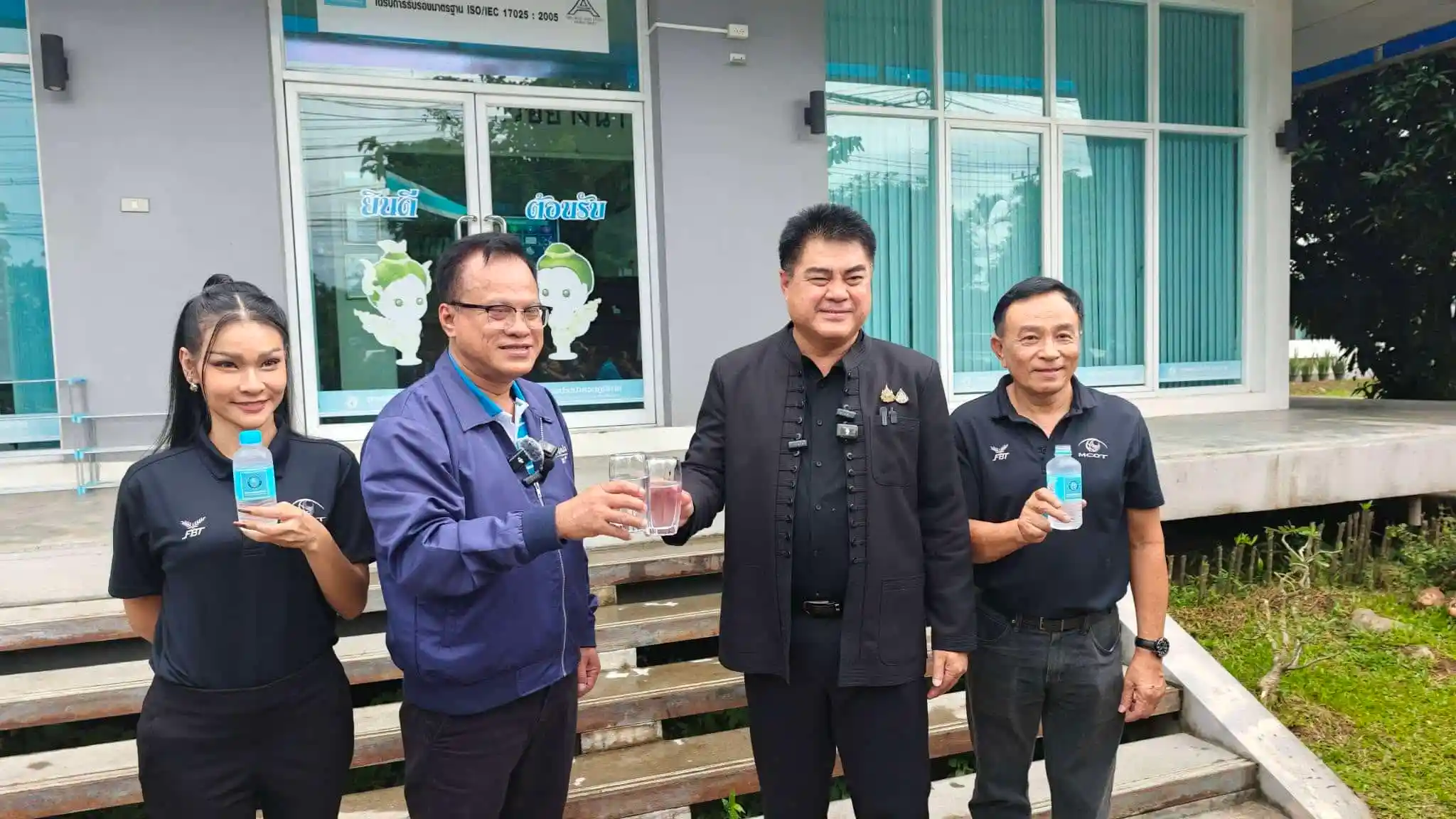
CHIANG RAI – The Provincial Waterworks Authority (PWA) has announced a massive new infrastructure project. They plan to move the city’s main raw water source from the Kok River to the Lao River. This 2.2 billion baht initiative aims to guarantee clean, safe, and reliable tap water for over 80,000 residents. On July 12, 2026, Chiang Rai Governor Chucheep Pongchai and PWA Governor Jakkapong Khamchan held a joint press conference. They met at the Wang Kham Water Production Station to update the public on current water quality. Furthermore, the leaders took local media on an active tour to see the detailed water treatment process firsthand. This major shift comes after a heavy metal contamination crisis first hit the Kok River in March 2025. Since then, the PWA has strictly monitored and tightly controlled water quality across all daily production stages. Consequently, they actively upgraded their treatment processes to remove heavy metals safely and effectively from the local water supply. To quickly boost public safety, the PWA invested 26 million baht into new, high-tech chemical treatment systems. These vital upgrades took place across both Chiang Rai and neighboring Chiang Mai provinces. Moreover, the agency set aside additional funds in 2026 for continuous water testing and independent, external lab checks. Despite the past heavy metal issues in the raw water, the final tap water is now entirely safe to consume. The PWA Governor clearly confirmed that their current treatment process successfully removes all harmful contaminants. In fact, tests from June 16, 2026, showed all five water stations in Chiang Rai easily met strict national safety standards. For a truly permanent fix, the PWA is pushing for a 2.248 billion baht budget for the 2027 fiscal year. Most of this money, roughly 1.95 billion baht, will go directly toward building the brand-new Mae Lao water station. Meanwhile, the remaining funds will help significantly reduce water loss in the pipeline system, as detailed in the PWA’s new water station plans. If the national government approves this budget, construction of the new Mae Lao station will run from 2027 to 2029. This modern facility will totally replace the aging Wang Kham station and produce up to 4,000 cubic meters of water per hour. As a result, it will supply clean, flowing water to the Mueang, Wiang Chai, and Mae Lao districts. Ultimately, the PWA promises to keep developing the water supply system while closely monitoring water quality. Local authorities now publish regular monthly water quality reports online to keep the public fully informed and confident. This highly transparent approach ensures that residents will always have reliable water, paving the way for a smooth relocation to the Lao River.
多角的分析
22億バーツという巨額のインフラ投資は、タイ経済、特に建設・エンジニアリング分野に直接的な波及効果をもたらす。同時に、長期的な視点では、安全な水供給は地域産業の安定化と住民の生活の質向上に寄与し、持続可能な経済発展の基盤強化につながる。ただし、予算承認の遅延や建設コストの変動リスクは、計画の実行に影響を与える可能性がある。
このプロジェクトは、インフラ開発に特化した投資家にとって魅力的である。特に、水道インフラ関連の企業や建設会社は、長期的な収益機会を見出すことができる。しかし、政府予算の承認プロセスや、建設期間中の予期せぬコスト増のリスクは、投資判断において慎重な評価が必要となる。
コック川の重金属汚染は、チェンライ市民の健康と生活に直接的な不安をもたらしていた。水源移転と最新鋭の浄水システム導入は、この不安を解消し、市民の健康を守るための重要な一歩である。水質報告書の公開といった透明性の向上策は、行政への信頼を高め、住民の安心感につながるだろう。ただし、移転先のラオ川の水質についても、継続的な監視と市民への情報提供が不可欠となる。
チェンライ市民、特に8万人以上の水道利用者にとって、このプロジェクトは生活に直結する恩恵をもたらす。これまで懸念されていた水質問題が解消され、安全で安定した水道水が利用できるようになることは、健康維持や日常生活の質の向上に大きく貢献する。また、行政による情報公開の姿勢は、市民の安心感を高める要因となるだろう。
背景・歴史的文脈
チェンライ市の水道水源は、長らくコック川に依存してきた。しかし、2025年3月にコック川で発生した重金属汚染は、市民の健康への懸念を増大させた。この危機的状況を受け、州水道局(PWA)は、より安全な代替水源の確保を急務とした。その結果、隣接するラオ川への水源移転が最善策として浮上し、今回の22億バーツ規模のインフラプロジェクトへと繋がった。これは、過去の環境問題への対応と、将来の安定した水供給体制構築を目指す、タイ政府のインフラ投資戦略の一環とも言える。
原文ソース
Chiang Rai Times