General articles are free for 24 hours after publish.
LPG Prices to Decline This Month in Philippines
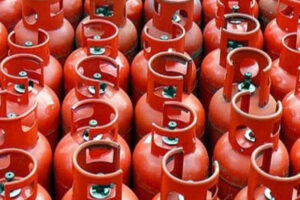
Liquefied petroleum gas (LPG) prices in the Philippines are expected to decrease by approximately P0.40 per kilogram this month, driven by international market fluctuations and exchange rates. This translates to a P4.40 reduction for a standard 11-kilogram cylinder, offering a modest relief to household budgets. The Department of Energy emphasizes transparent information to aid consumer decision-making.
COOKING GAS prices are set to decline this month by around P0.40 per kilogram, the Department of Energy (DoE) said in a statement. The downward adjustment translates to a reduction of around P4.40 for a standard 11-kilo cylinder, according to the DoE, which gained the power to set guide prices during the energy emergency. The domestic retail prices of an 11-kilo liquefied petroleum gas (LPG) cylinder is expected to range between P1,031 and P1,536, depending on the brand, location, and other market factors. “The reduction may be modest, but consumers should benefit whenever market conditions bring costs down,” Energy Secretary Sharon S. Garin said. Suppliers have estimated an increase in LPG prices of P3 per kilo, due to higher shipping costs and the weaker peso. According to DoE, contract prices of LPG on the international market increased to $649.50 per metric ton (MT) in September from $634.00 a month earlier. The increase in the contract price was attributed to higher crude oil prices and supply constraints in light of the fighting in the Middle East, and stronger Asian demand ahead of winter. However, the increase was offset by lower freight costs, which declined from $120.82 to $94.41 per MT, as well as a peso exchange rate of P61.40 to the dollar in August, from P61.59 in July. “Consumers should be able to understand what drives the prices they pay. We will continue to provide clear information on LPG price movements so households can make informed decisions and better manage their expenses,” Ms. Garin said. The DoE encouraged households to compare prevailing LPG prices in their area and purchase only from authorized dealers and retailers to ensure product quality and safety. — Sheldeen Joy Talavera
Original source
BusinessWorld Economy