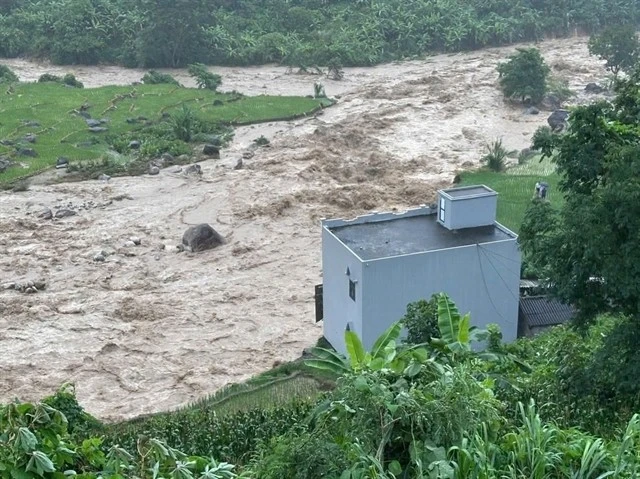
Northern Vietnam Battles Floods and Landslides Amidst Heavy Rains
Persistent heavy rains are causing widespread flooding and landslides in northern Vietnam, disrupting transportation and damaging homes and crops. Authorities are working to contain the impact.
Persistent heavy rains have caused widespread flooding and landslides in northern Vietnam, particularly in Lai Chau province, leading to significant disruptions. Transportation networks have been cut off, and numerous homes and crops have suffered damage. The risk to key infrastructure is also elevated, prompting authorities to exert maximum effort to contain the impact. Beyond these natural disasters, Vietnam is also confronting the impacts of climate change. Deputy Minister of Agriculture and Environment, Le Cong Thong, highlighted the potential for an El Nino phenomenon to hit Vietnam in the late second half of 2026 and early 2027. He emphasized the urgency of enhancing forecasting and early warning capacities, and of effectively translating scientific information into timely management decisions and response actions. Conservation efforts are also active across Vietnam. At Tram Chim National Park in Dong Thap province, the second phase of a conservation and development project involved the transfer of sarus cranes. Furthermore, scientists have proposed measures to protect the habitat of the endangered black-shanked douc on Ba Den Mountain. Cases of rescued pangolins, tortoises, and other wildlife, which were victims of poaching, being rehabilitated and released back into their natural environments have also been reported. Economically, Vietnam advocates for a "just transition" that balances international commitments with economic growth. The Deputy Prime Minister stressed the importance of ensuring sufficient energy supply for economic growth, reducing emissions, and a transition that considers the impact on workers, businesses, and local communities. This reflects Vietnam's efforts to pursue sustainable economic development while complying with international regulations such as the EUDR. During a conference to introduce Decree No. 180 on forest carbon sequestration and storage services, it was reported that revenue from forest carbon credit transactions had reached US$56.5 million. This is part of Vietnam's initiative to link climate change mitigation efforts with economic incentives. Vietnam faces multiple challenges, including responding to natural disasters, conserving biodiversity, and adapting to climate change. Efforts to address these issues are being pursued within the context of Vietnam's single-party political system, international cooperation, and the nation's sustainable economic growth.
多角的分析
ベトナムは、経済成長と国際的な環境コミットメントの両立という二重の課題に直面している。豪雨によるインフラ被害は、短期的な経済的損失をもたらすだけでなく、復旧・復興のための追加的な公的支出を必要とする。一方で、森林炭素クレジット取引による収益化は、気候変動対策を経済的機会に変えようとする試みであり、今後の展開が注目される。エルニーニョ現象の予測は、農業生産への影響を通じて食料安全保障と物価安定にリスクをもたらす可能性があり、経済政策における重要な考慮事項となる。
ベトナム北部での豪雨によるインフラ被害は、サプライチェーンの寸断リスクを高め、特に製造業や輸出関連企業にとっては短期的な操業コストの上昇や納期の遅延につながる可能性がある。しかし、ベトナム政府が「公正な移行」を掲げ、持続可能な開発を目指す姿勢は、長期的な投資環境の安定化に寄与すると考えられる。気候変動への適応策や再生可能エネルギーへの投資は、新たなビジネスチャンスを生む可能性もある。
豪雨による洪水や土砂災害は、ライチャウ省などの北部地域住民の生活に直接的な影響を与えている。住居の損壊、農作物の被害は、生計を脅かし、避難を余儀なくされる人々もいる。また、生物多様性の保全活動や野生生物の保護・解放は、環境意識の高まりを示す一方で、地域社会における自然との共存や、保護活動への住民参加の重要性を浮き彫りにしている。気候変動による異常気象の頻発は、社会全体のレジリエンス(強靭性)強化を不可欠なものとしている。
北部地域では、豪雨による洪水や土砂災害で、多くの住民が家屋の損壊や農作物の被害に遭い、生活が困難になっている。交通網の寸断は、物資の供給や移動を妨げ、日常生活に支障をきたしている。気候変動による異常気象の頻発は、将来への不安を増大させ、より強固な防災対策や支援体制の必要性を感じさせている。一方で、生物多様性保全の取り組みは、一部の市民の間で自然環境への関心を高めている。
背景・歴史的文脈
ベトナムは、地理的にメコンデルタ地域や沿岸部に低地が多く、気候変動による海面上昇や異常気象の影響を受けやすい国である。特に北部山岳地帯では、豪雨による洪水や土砂災害が過去にも頻繁に発生しており、インフラ整備の遅れや森林破壊がリスクを増大させている。近年、ベトナム政府は気候変動対策を国家戦略の重要課題と位置づけ、国際社会との連携を深めている。2022年のCOP27での「公正なエネルギー移行パートナーシップ(JETP)」の合意は、その象徴的な出来事であり、化石燃料からの脱却と再生可能エネルギーへの転換を支援する国際的な枠組みである。森林炭素クレジット取引の推進は、こうした国際的な流れと連動し、環境保全と経済的インセンティブを組み合わせた新たなアプローチと言える。
原文ソース
VietnamPlus English