General articles are free for 24 hours after publish.
Tân Hóa, 'World's Best Tourist Village,' Revitalizes Community Through Traditional Com Production
Tân Hóa village in Quảng Trị, recognized as the 'World's Best Tourist Village,' is enhancing its traditional 'cốm' production to boost the local economy. This ancient delicacy is becoming a key element in the village's tourism appeal.
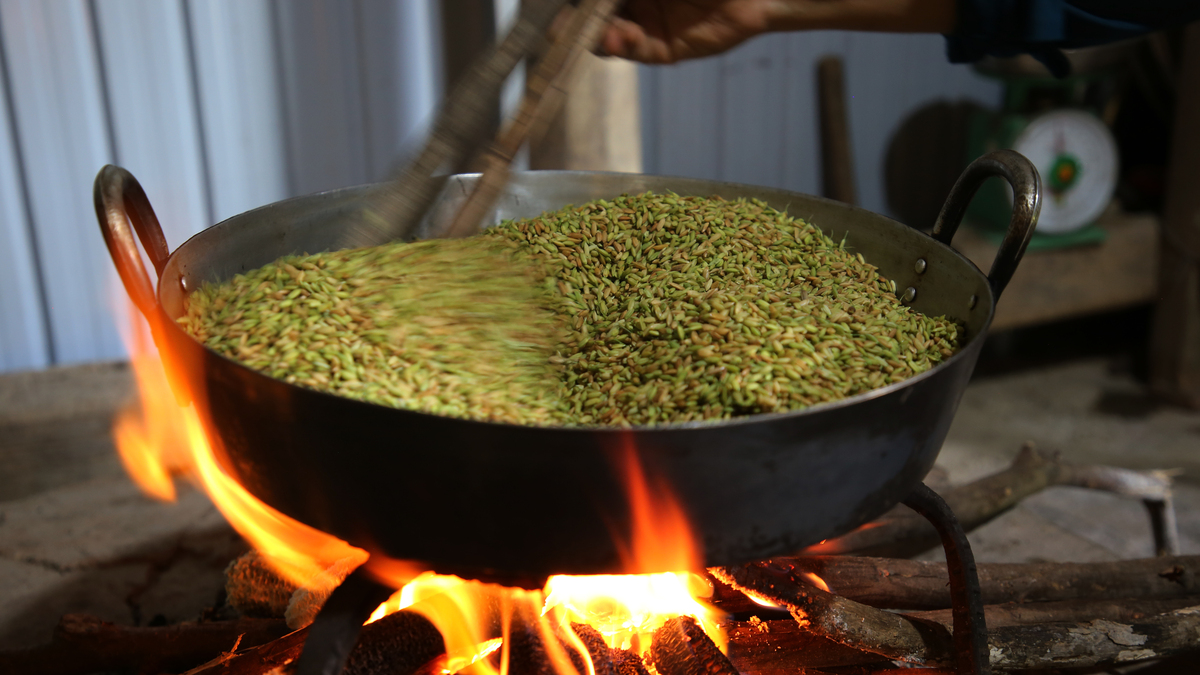
Tân Hóa village in Quảng Trị Province, recognized in October 2023 by the UN World Tourism Organization (UN Tourism) as the 'World's Best Tourist Village,' is seeing its traditional 'cốm' production gain significant attention. Nestled in a valley surrounded by limestone mountains, often referred to as a 'flood basin,' the village has developed a climate-resilient tourism model, including building stilt houses to adapt to its unique environment. This adaptive approach led to its designation as the first UN Tourism-recognized village in Vietnam. Cốm production is an age-old tradition in Tân Hóa. The delicacy is made from glutinous rice harvested when the grains are still green, yielding a unique texture, aroma, and sweetness. This traditional craft is evolving beyond household consumption into a commercial enterprise. Ms. Trương Thị Xuân, 40, shared that processing over 500 kg of rice from her nearly 2 sao (approximately 1,400 sqm) of cultivation into cốm can increase revenue from VND5 million to VND17 million, highlighting the product's added value. The cốm-making process is meticulous. Harvested rice is selected and dried to remove excess moisture before being carefully roasted in large woks. This roasting requires precise heat control and constant stirring to achieve the desired flavor without burning. Ms. Cao Thị Vân, 53, emphasized the patience needed for this stage. Roasted rice is further sun-dried for even drying and then passed through a thresher to separate the husk, yielding the inner rice grains. Finally, these grains are roasted again to create the crispy, fragrant cốm. Sold at VND15,000 per can, it's a popular item for locals and a sought-after gift. Tân Hóa's cốm production is more than just reviving a traditional craft; it intertwines with the village's identity of climate adaptation, positioning it as a model for sustainable regional economies. This cốm is poised to become a symbolic product for visitors, offering a taste of the village's culture and way of life.
Original source
VnExpress